whizzy1919@gmail.com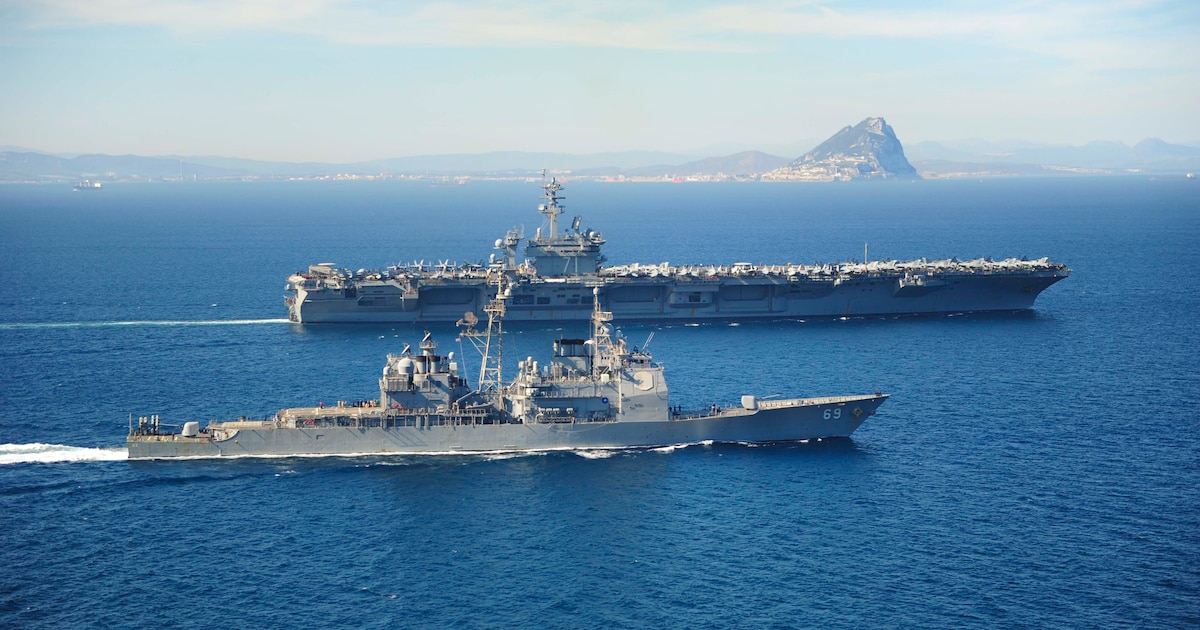
The US Navy’s Ticonderoga class is considered a floating arsenal. But high maintenance costs and the age of the ships are now forcing the Navy to take action.
The US-Navy is gradually decommissioning the Ticonderoga class, one of its most famous ship classes. The guided missile cruisers, once celebrated as “floating fortresses,” are now too expensive to maintain and technically outdated. The ships were developed in the 1980s to protect aircraft carrier groups from Soviet threats.
With a weight of around 9,800 tons and 122 vertical launch cells, these ships are considered true “arsenals at sea,” according to the Brazilian news portal “CPG“. Their heart is the Aegis combat system, equipped with the powerful SPY-1 radar. The system can track and coordinate hundreds of targets simultaneously. The cruisers were designed to serve as command centers and air defense coordinators for aircraft carrier groups.
High costs and aging technology
Despite their capabilities, the ships are on the verge of extinction. According to the US portal “19FortyFive“Corrosion, cracks and mechanical problems are driving up maintenance costs. Originally built to last 30 years, many ships have been used well beyond that limit. A modernization program in the 2010s was intended to extend the service life, but failed due to high costs and delays.
Strategic importance of the Ticonderoga class
The Ticonderoga cruisers played an important role in the defense of the US fleet. They served as protection for aircraft carrier groups and as platforms for precision strikes with Tomahawk missiles. According to CPG, some ships have also been equipped with ballistic missile defense systems to respond to new threats.
Replacement with more modern destroyers
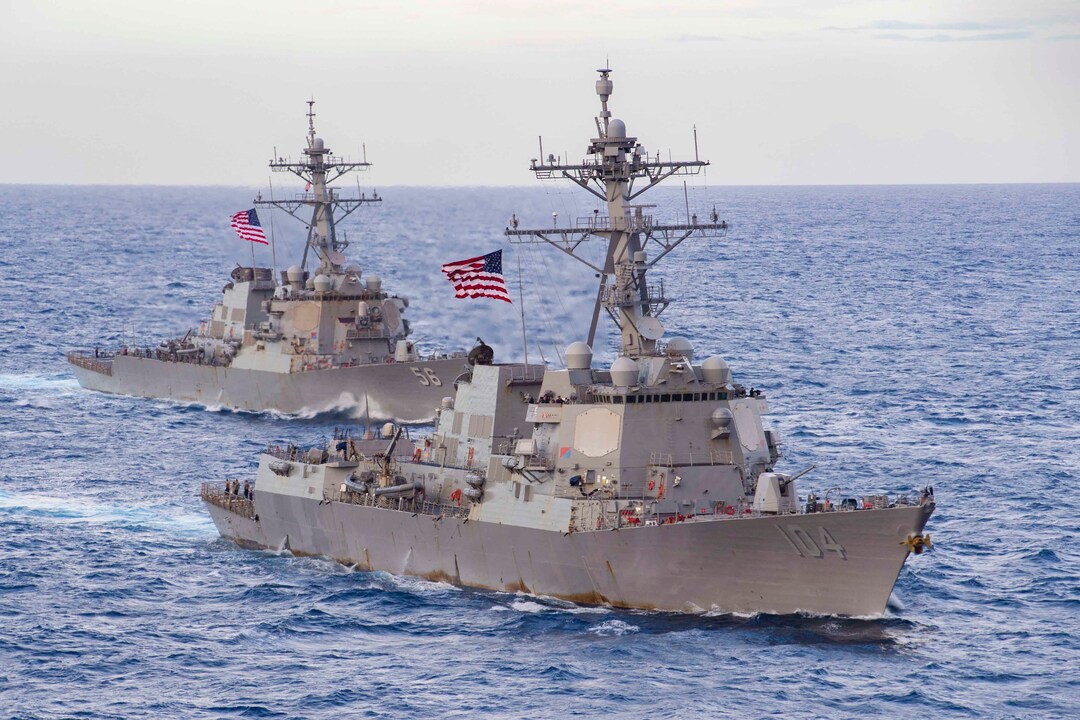
The US Navy is instead relying on the new Arleigh Burke destroyers. They have more modern radar systems, updated software and require smaller crews. Although they can carry fewer missiles, they make up for it with more advanced technology. According to 19FortyFive, these destroyers are more cost-effective and better suited to the demands of modern conflict.
An end to discussions
Despite the planned withdrawal, there is resistance to the decommissioning. Some US politicians are calling for the ships to remain in service longer because they have more missile launch cells than modern destroyers. But the Navy is forced to concentrate resources on future-proof technologies.