whizzy1919@gmail.com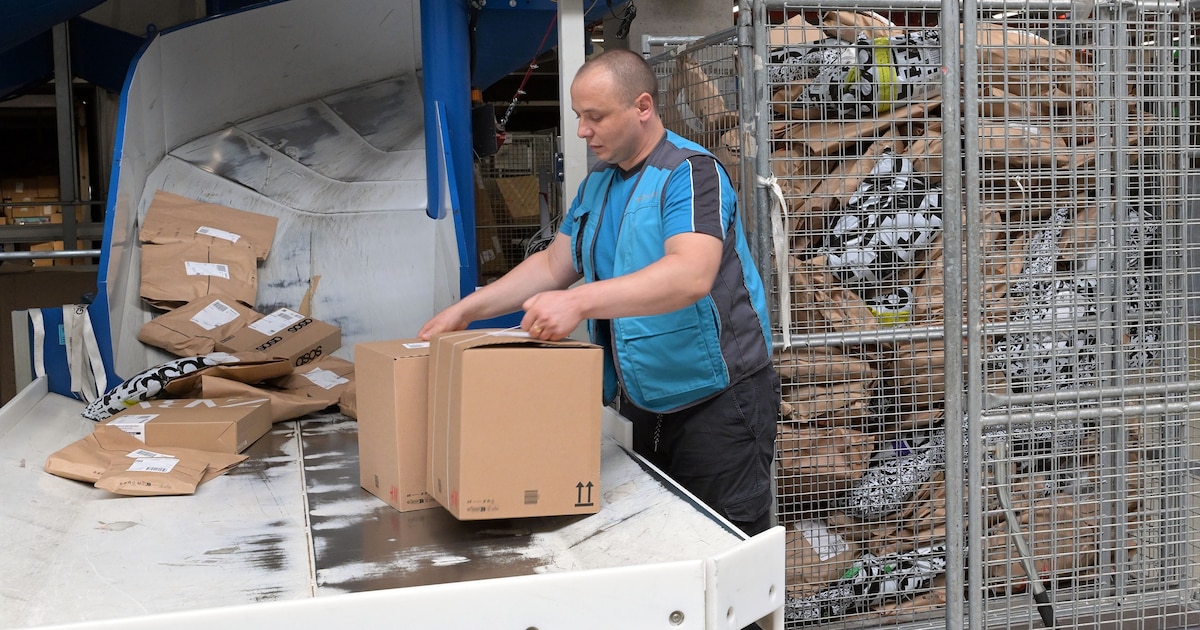
Germany has allowed up to 25,000 short-term migrant workers per year since 2024. But no authority systematically records how many helpers actually come, where they work – and whether they leave again.
Reported about it the “World on Sunday”. In 2024, the traffic light government introduced an option that would allow up to 25,000 workers from abroad to work in Germany for a maximum of eight months.
This “short-term, contingent employment” is intended to help bridge bottlenecks in the hotel, catering or logistics industries, for example. Language skills or specific qualifications are not required.
Data on departure is not collected
Business and industry associations have long been calling for the introduction of such a mechanism. The prerequisite for entry is – unless there is a visa-free country such as Albania – the approval of the Federal Employment Agency and a national visa from the Foreign Office.
But how many short-term workers from abroad actually come to Germany and what they do there is not systematically recorded by any authority. It is also unclear whether the foreigners will leave again after the eight months have passed – as the rule actually stipulates.
According to “Welt am Sonntag”, the Federal Employment Agency issued a total of 14,963 approvals for “short-term contingent employment” last year. How many of these permits actually led to entry is not documented there.
Asylum request at the airport
Data from the Federal Foreign Office (AA) suggests that not every agreement with the employment agency leads to taking up work. According to the AA, around 7,650 national visas were issued under the scheme in 2025. But that doesn’t mean that 7,650 people ended up taking a job.
According to the report, the most important countries of origin include Vietnam, Kyrgyzstan, Georgia, Kosovo, Uzbekistan and Turkey. But the Foreign Ministry also does not record whether the migrants leave after the end of the agreed employment. Neither the Federal Office for Migration and Refugees (BAMF) nor the Federal Ministry of the Interior systematically records the entry and exit of these groups of people.
Hessian police officers also reported to “Welt am Sonntag” that individual holders of valid visas applied for asylum immediately after arriving in Frankfurt. According to the BAMF, of 87,787 first-time asylum seekers in the first nine months of last year, 13,700 entered the country with a visa. What type of visa was present is not recorded.