whizzy1919@gmail.com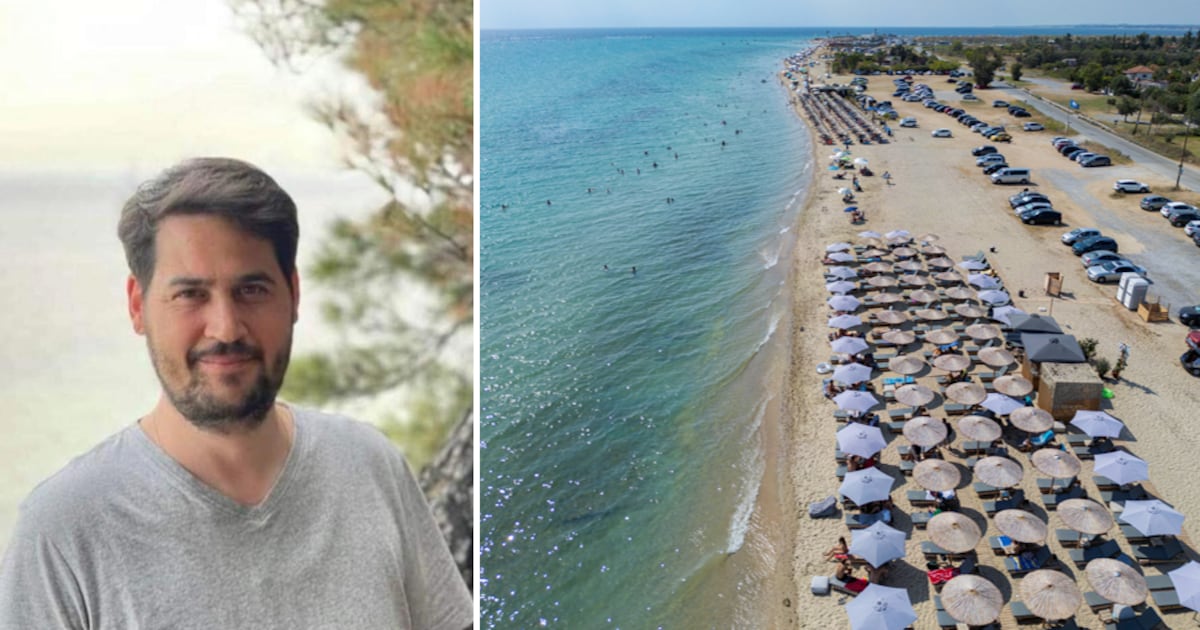
Dimitris Knaiske had hoped for better career prospects in Germany. He received disappointment and isolation. He now lives in Greece again.
Many Greeks hope for better jobs and higher wages in Germany. Dimitris Knaiske completed training as an electrician in Hamburg. But instead of professional fulfillment, he experienced frustration, competitiveness and loneliness.
After a few years, Knaiske called it quits and returned to the Chalkidiki peninsula in northern Greece. In the interview, the 43-year-old explains why life in Germany didn’t make him happy despite valuable professional experiences.
FOCUS online: Mr. Knaiske, you left Greece in 2003 to train as an electrician in Germany. How did you get started?
Dimitris Knaiske: As a young person, I literally jumped into the deep end. In Greece I had a personal environment, there were hugs and motivation. In Germany it was completely different. There was more of an elbow-to-elbow society there.
Everything was very accurate, on time and with high expectations. The application phase was already challenging. I received promises, but on a human level it felt cold. I felt like I wasn’t really understood or supported by my colleagues or the company.
What bothered you about the behavior of your colleagues and your superior?
Knaiske: The company I worked for had a good reputation, but apprentices were often only used as helpers. They were hardly taught anything. I rarely experienced support or a real team feeling. My advantage was that I was older and got along well with some of the journeymen. Still, it was difficult to gain a foothold. I didn’t know this feeling of loneliness from Greece.
What particularly bothered you?
Knaiske: Especially the private ones. In Germany I felt very isolated. I hardly had any people around me. Even though I’m half German, I didn’t feel any real connection to the country. You work a lot, but the social environment is missing. That was always a problem for me.
You later also worked in Berlin. Were there differences there?
Knaiske: In Hamburg I was mostly satisfied financially, but only partially with the behavior of the people. There were always people who supported me, but also those who worked against me. In Berlin the salary was significantly worse because the competition was fierce and there were many cheap workers.
At the same time the work was very hard. The atmosphere was less collegial, often characterized by a “take it or die” mentality. It was almost a stroke of luck if you had any working rights at all. Those who didn’t conform or meet other people’s expectations had little chance of getting ahead.
You then began training as a curative education nurse in Bremen. Has anything changed there?
Knaiske: Unfortunately, things got even worse. Many were anxious to distinguish themselves and appear better than the others in front of the boss. I also lacked loving and respectful interaction with the residents of the home. For me it was important to work with people and give them closeness and support. But the system was designed completely differently. That bothered me a lot.

Was that the point at which you questioned Germany?
Knaiske: It was more of a gradual process. My original plan was to work as an employee for three to six years and then build something of my own. In the end it took many years without me feeling like I had really arrived. Looking back, I would say that the main thing that failed for me was the interpersonal relationships in Germany.
So did these circumstances influence your decision to leave Germany permanently in 2021?
Knaiske: Yes, exactly. When I returned to Greece, I initially worked as an electrician and later worked in tourism, where the wages were better. The work was hard, but I was able to take responsibility.
Over time, I became the right-hand man in the office, taking care of planning and organization. My efforts were recognized. However, due to chronic understaffing, I eventually gave up the job.
You have become self-employed in the construction and caretaker sector. What makes your job different today from your time in Germany?
Knaiske: Germany gave me a lot of experience, but for me personally it was too cold and too isolated. I functioned, but never really felt comfortable. In Greece, people count more. Of course there are conflicts or difficult colleagues here too – that’s the case everywhere. But I feel like I can develop without constantly having to fight against rigid structures. You work a lot, but mostly with each other.
Many Greeks are still leaving their country because they hope for better job and salary prospects in Germany. The economic situation there is considered to be more stable. What challenges do you experience in Greece, and what is less advantageous there than in Germany from a professional perspective?
Knaiske: Many customers in Greece expect very low prices for services, making it difficult to operate in an economically sustainable manner. You have to adapt to your customers and sell well at the same time. It’s not just money that counts in life.