whizzy1919@gmail.com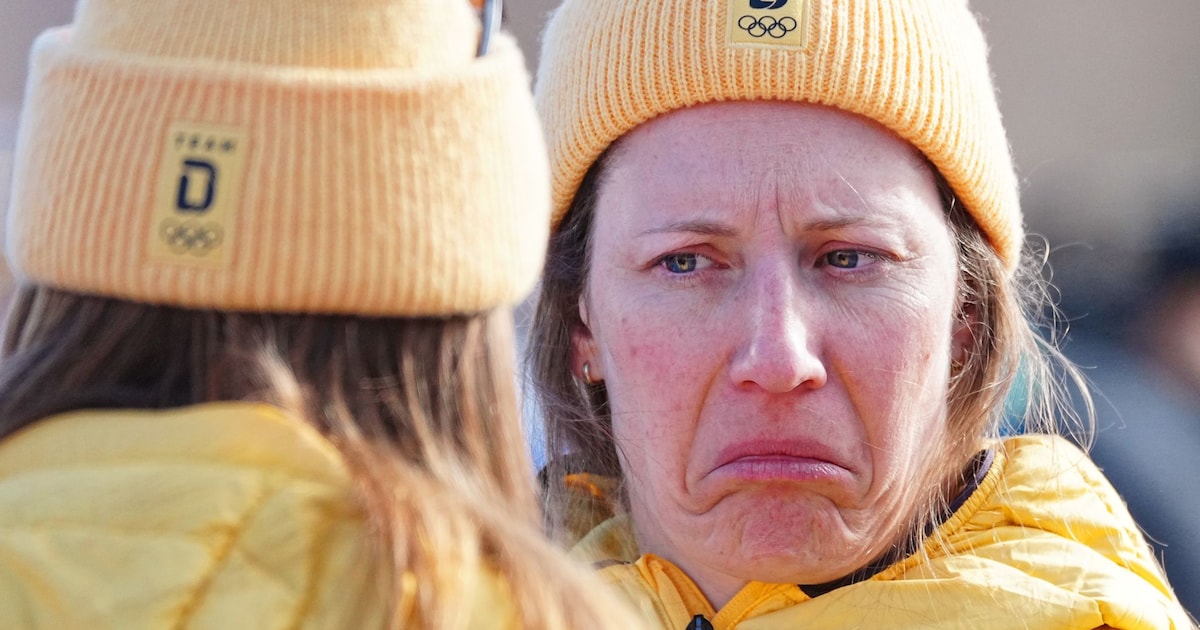
The German team’s Olympic conclusion is weighed down by the sadness of many narrowly missed medals. You can only rely on the ice channel.
The head of the German Olympic team would have been happy to do without this collection of wood and sheet metal. Fourth places again and again instead of precious metal for the medal table, that clouded Olaf Tabor’s balance at the Winter Games in Italy. The competitive sports board of the German Olympic Sports Confederation diplomatically described his feelings at the end of the competitions, in which the largest DOSB delegation to date missed their goal in the national rankings with “joy, pride and a small pinch of disillusionment”.
Black series: 14 fourth places for Germany
When the badly criticized biathlon team gave the sad Philipp Horn a self-made cardboard plaque with the inscription “Winner of Hearts” for fourth place in the men’s mass start, it seemed like a symbolic image for the German Olympic days. “It hurts because it happened somewhere between drama and tragedy,” said Chef de Mission Tabor about the black series of 14 fourth places – more than any other nation.
Fifth overall was not enough for the top three in the country rankings, as the DOSB had specified. This meant that they “did not live up to their own demands,” said Minister of State for Sport Christiane Schenderlein (CDU).
Even more than four years ago in Beijing, Norway dominated at the top, alongside the USA and the Dutch, hosts Italy also won heavily thanks to their home advantage. It should be noted that other top nations “apparently handle their medal potential more carefully and, where there are opportunities, convert them into precious metal more often,” said Tabor.
Neureuther: The situation is alarming
In the end there were 26 medals this time, one less than four years ago in Beijing. And: There were only eight gold medals instead of twelve, so the German team had to rely on the ice track more than ever. Almost three quarters of the medals were worn Tobogganers, Skeleton rider and bobsleigh pilots at the Cortina Sliding Center contributed to the yield. In China 2022 it was 16 out of 27.

“If you exclude the ice track and look at the medal table, then we simply no longer play an international role,” said ARD expert Felix Neureuther and described the situation in German competitive sports as “alarming”.
Ice channel “our backbone in winter”
The Chef de Mission sees it less dramatically. “It’s reassuring news that we have a domain with the rink,” Tabor said. Ultimately, the Dutch won their 20 medals exclusively in speed skating and short track, while the French could rely primarily on their biathletes. The ice channel is “our backbone in winter,” said Tabor.
Julia Taubitz and Max Langenhan won individual gold in tobogganing and helped the doubles Tobias Wendl and Tobias Arlt to their seventh career Olympic victory in the relay – that is a German winter record. Johannes Lochner achieved two triumphs in the bobsleigh impressively the image of the eternal runner-up, Laura Nolte won in the two-man sled, as she did in Beijing.
Future hope Emma Aicher, gold for Maier and Raimund
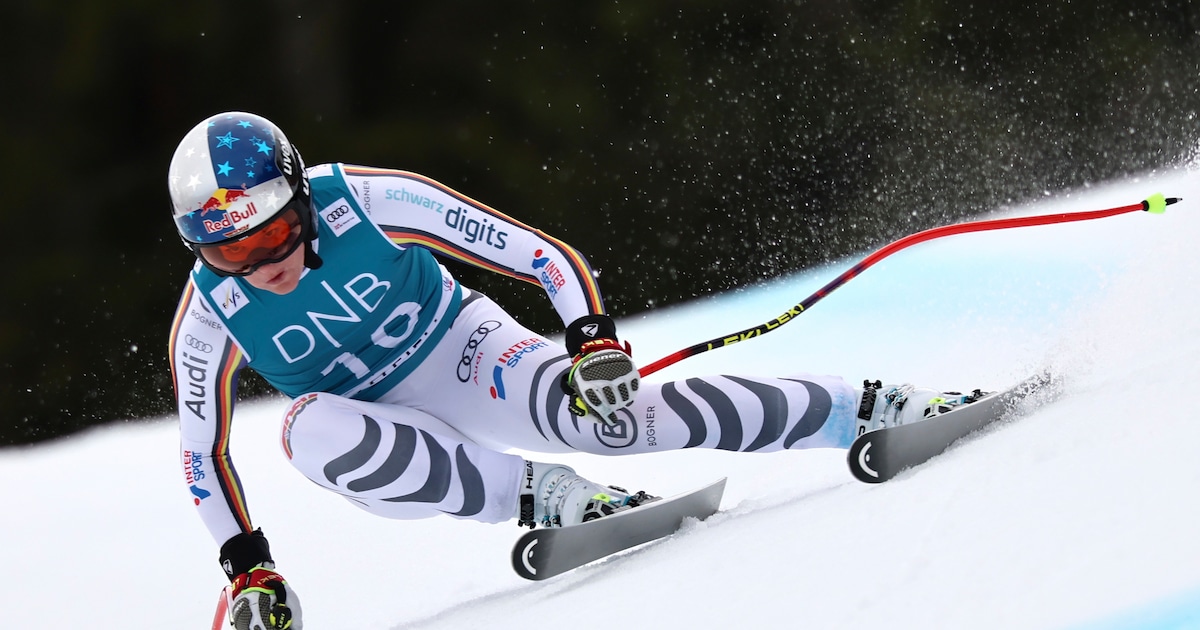
Away from the ice channel, only two Germans left the rest of the competition behind: ski jumper Philipp Raimund surprisingly won on the normal hill, ski crosser Daniela Maier deservedly triumphed. The new one raced twice for just a few hundredths of a second Alpine star Emma Aicher past gold, the future of skiing could be hers. Otherwise, the outliers at the top of the German team were kept within narrow limits.
“The public is probably not particularly happy with the medal count, but that is not because of what our athletes have invested,” said Olympic tourist Jürgen Klopp. The missed shots by biathlete Franziska Preuß, the slalom drama by Lena Dürr, that Sobering quarter-final exit of the ice hockey cracks around Leon Draisaitl – Hardly a day went by without major disappointments.

Top official Tabor announced that after a few weeks of breathing space, the reappraisal with the sub-associations would begin. There are likely to be some uncomfortable conversations. Former medal guarantors like the biathletes hardly deliver anymore. The unsuccessful combined athletes fear for their Olympic future. The speed skaters are mired in internal association squabbles.
The snowboarders, the ice hockey teams, the curlers and the Olympic debutants in ski mountaineering were unable to contribute anything to the medal haul. German short trackers weren’t even qualified. “We no longer have the necessary structures in Germany to be internationally successful,” warned Ex-ski racer Neureuther.
Further dispute over the sports funding law
As was the case after the Summer Games in Paris, when the DOSB leadership had to record the weakest result since reunification in tenth place in the medal table, hopes are pinned on the elite sports reform, which has been stalled for a long time. In the future, an independent agency will decide on the distribution of millions in taxes and the structures in top German sport, thus making it more efficient and internationally competitive again.

But behind the scenes, the proposed law is making slow progress. Politics and sport fight over positions and distribution of power. It is unclear whether the Bundestag will pass the law before the summer break as originally planned. “The results from Italy are therefore also a clear mandate for action to further advance our planned reforms,” said Minister of State for Sport Schenderlein.
The planned Olympic bid, in the wake of which German sport hopes for an upswing, remains a bet on the future for the time being. Felix Neureuther therefore warned in “Bild am Sonntag”: “I can already predict that the next low point will be reached at the 2030 Winter Games in France.”