whizzy1919@gmail.com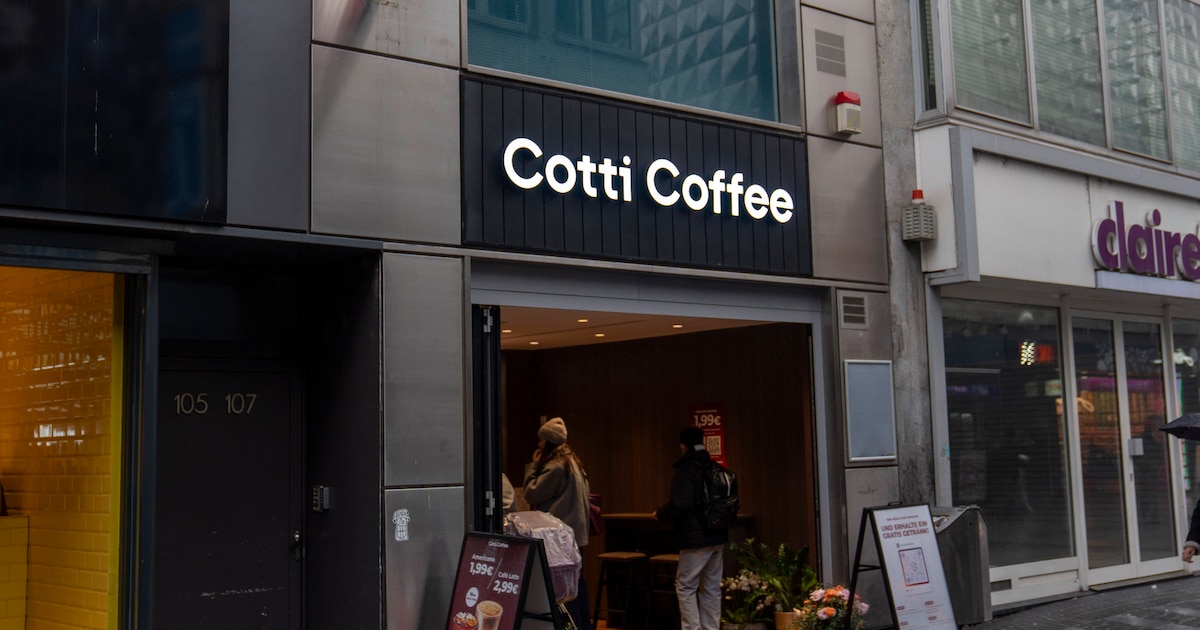
An espresso for 99 cents sounds like an advertising gimmick. But the Chinese chain Cotti Coffee is serious and is pushing into the German market with competitive prices and several branch openings.
An espresso for 99 cents. Just under two euros for an Americano, and around 3.40 euros for a matcha latte. With prices like these, the Chinese chain Cotti Coffee is causing a stir in the big city coffee scene. While many local cafes are increasing their prices and even the supermarket beans from Tchibo have recently become significantly more expensivethis new provider relies on the opposite: maximum discount.
The special offers have a data catch
However, it’s not quite that simple. The 99 cents are considered an attractive offer for new customers. If you want to save permanently, you have to play along and reveal your personal data when ordering via the app. If you post the mug on social media, you’ll even get a free drink. Discount against range. Data for deal.
The regular espresso costs two euros. It is questionable whether the current dumping prices are sustainably profitable for the company. But the chain wants to send a clear message: coffee is cheaper here than anywhere else. And so Cotti Coffee wants to realize its ambitious plan to become the most successful café chain in the world.
Cotti Coffee is spreading worldwide
Cotti was founded in Beijing in 2022. The company has grown rapidly over the past four years. According to its own information, the Chinese chain now operates more than 18,000 branches in 28 countries. The first branches opened in Germany in January, first in Hamburg, Cologne and Düsseldorf. The first locations have been in Berlin since February.
The chain’s founders are also responsible for its biggest competitor in the Chinese market, Luckin Coffee. Luckin clearly dominates the market there. Cotti comes in second place in terms of market share, while world market leader Starbucks is only third in China. Cotti Coffee is now one of the four largest providers internationally. Only Starbucks, Luckin Coffee and Dunkin’ Donuts are larger worldwide.
Functional shops and fast-moving trendy drinks
Anyone who enters a Cotti Coffee shop quickly notices: this is not about a living room atmosphere. On the contrary: there are only a few seats, a dark, functional service counter dominates the visual appearance and the overall furnishings are more cool than inviting. The concept is clearly geared towards to-go and pre-ordering. Some of the new German branches are even designed exclusively for collection.
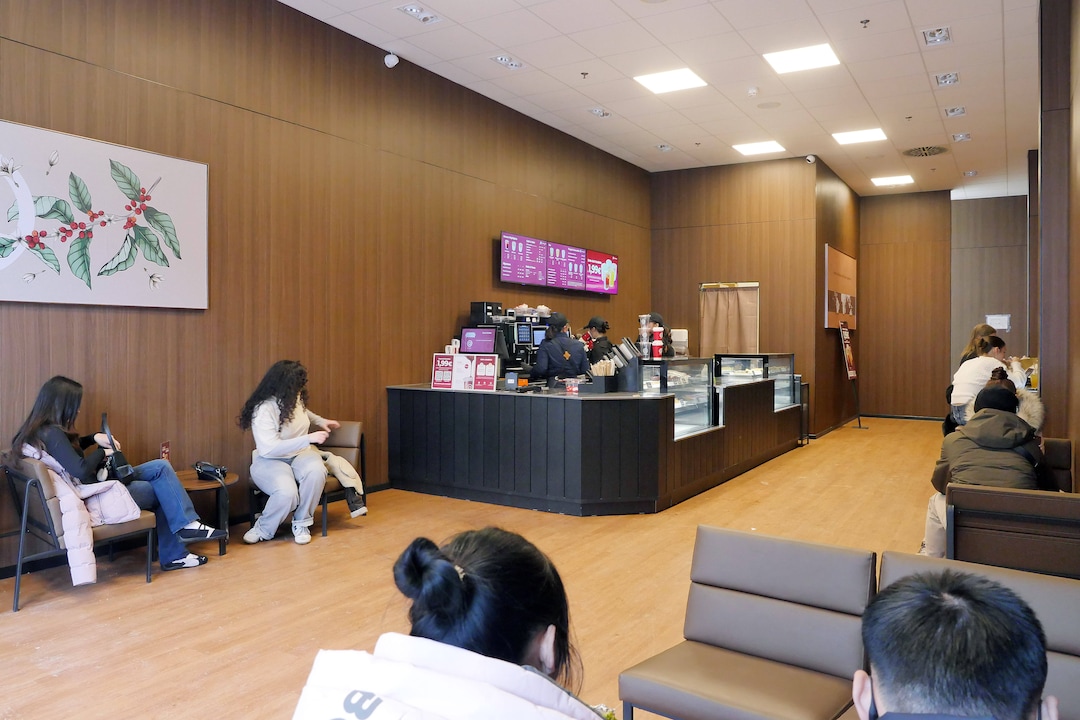
The menu includes classics such as espresso, Americano and café latte. But trend drinks such as matcha, coconut latte or grapefruit Americano are mainly advertised. Many of these creations arise as short-term social media hypes and disappear again as soon as the next trend emerges.
This concept doesn’t suit everyone’s taste
In the online reviews of the branches on Google Maps, curiosity initially predominates. Users praise the exceptional drinks such as the mango coconut latte or the matcha latte. The favorable offers for new customers are also well received.
But not everyone is convinced. “The coffee matches the price,” writes one user. Others complain about the atmosphere: “The atmosphere is more like a take-away”. Individual users also criticize that the app can only be used if personal data is disclosed.
Competitor LAP Coffee reacts to the competition in a relaxed manner
The cheap café principle is not entirely new in Germany. That too Berlin start-up LAP Coffee is expanding for around three years with comparatively low prices in the big cities. At LAP, too, the focus is on to-go drinks and orders are usually taken in advance via the app. However, a cappuccino there only costs 2.50 euros. At Cotti the regular price is 3.10 euros, while the offer is around 2.80 euros.
For the price-conscious café customer there is still a clear difference. LAP founder Ralph Hage borders his company on “ntv” from the new competition: “Our profile is not cheap at any price.” Instead, the focus is on loyal customers and cheap but profitable coffee. At LAP they rely on a fixed menu and seasonal additions instead of constantly changing micro-trend drinks.
Coffee to pick up: A new market segment
With Cotti Coffee, the market for affordable to-go concepts is getting new pressure. Coffee connoisseurs probably won’t get their money’s worth with these prices and the plain shops. But for the price-conscious on-the-go drinker, things could look different.
Whether the bill pays off is decided not in marketing campaigns, but at the counter. In the end, what matters is whether price, taste and concept match. The 99 cent espresso is a strong signal. But only those who offer more than just a discount will be convincing in the long term.