whizzy1919@gmail.com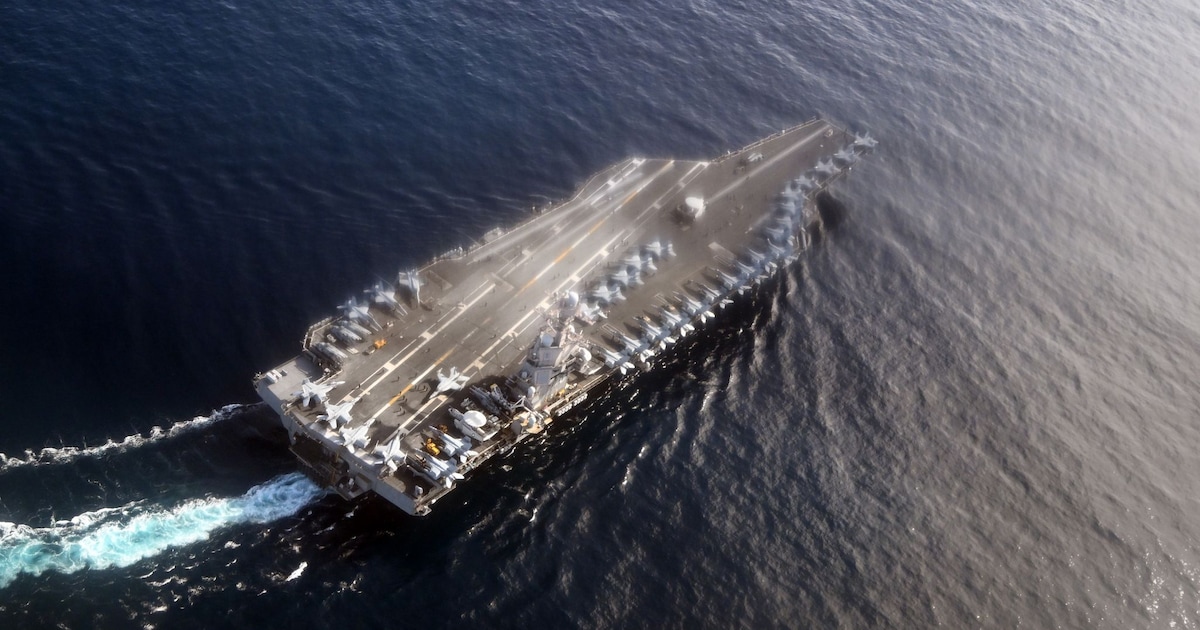
The USS Gerald R. Ford is actually intended to demonstrate strength in the Middle East. But there is a problem on board the $13 billion colossus: the 650 high-tech toilets are on strike.
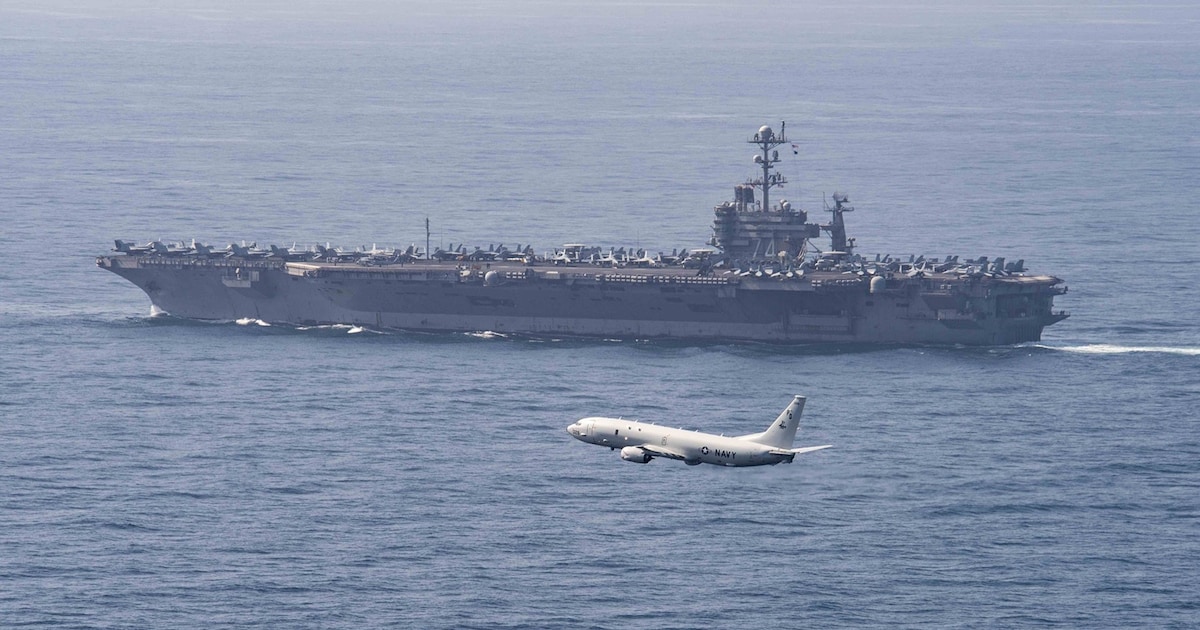
The US Navy’s most expensive and most modern aircraft carrier, the USS Gerald R. Ford, is currently involuntarily making headlines. While the ship under US President Donald Trump to deter Iran arrived in Crete on Tuesdayreport that Wall Street Journal (WSJ) and the US broadcaster NPR (National Public Radio) suffered from massive technical deficiencies. The main problem: The floating town’s 650 toilets regularly fail.
USS Gerald R. Ford in continuous use: toilets on strike
The USS Gerald R. Ford has been at sea continuously since June 2025. Originally planned for six months, the mission was extended several times. With an expected operational life of eleven months, the ship could set a historic record for the US Navy.
But continuous operation takes its toll. As Mark Montgomery, a retired rear admiral, told the WSJ, it’s not just the approximately 5,000 crew members who suffer from the long deployment times, but also the hardware: “After eight months at sea, the equipment begins to break down and long-planned maintenance has to be postponed.”

Clogged Pipes: A $400,000 Problem Per Cleanup
The installed VCHT system (Vacuum Collection, Holding and Transfer), which sucks waste through the pipes using negative pressure, is apparently a faulty design. A report from the Government Accountability Office (GAO) found that the sewer pipes were too small for the enormous crew.
The consequences, according to NPR and internal emails, are drastic:
- Daily emergency calls: In 2025 alone, there have been 32 official calls for help because of defective toilets.
- Extreme maintenance costs: To loosen limescale deposits in the narrow pipes, the Navy must perform special acid cleaning. Cost according to internal documents: $400,000 per cleaning process.
- Foreign bodies in the system: Technicians found everything from T-shirts to four-foot ropes in the lines.
One official wrote in an internal email quoted by NPR: “My team is currently working 19 hours a day to keep up with demand.” The Navy confirms the problems, but emphasizes that operational capability is not at risk.

Mood on board: “Heartbreaking” for the families
For the young sailors, the combination of defective sanitary facilities and the uncertainty about returning home becomes psychologically stressful. Captain David Skarosi admitted in a letter to the families that the renewed extension surprised him. He knows about the “sting” of disappointment when weddings or funerals are missed.
Rosarin McGhee, a sailor’s wife, described the situation to the WSJ as “heartbreaking.” Another sailor said she was seriously considering leaving the Navy: “I miss my little daughter, but the unpredictability of when I’ll see my family again hurts the most.”
As soon as the USS Gerald R. Ford has completed its deployment, it will be extensively refitted in the shipyard in Norfolk – in the hope that the largest aircraft carrier in the world can then handle even its simplest tasks again.