whizzy1919@gmail.com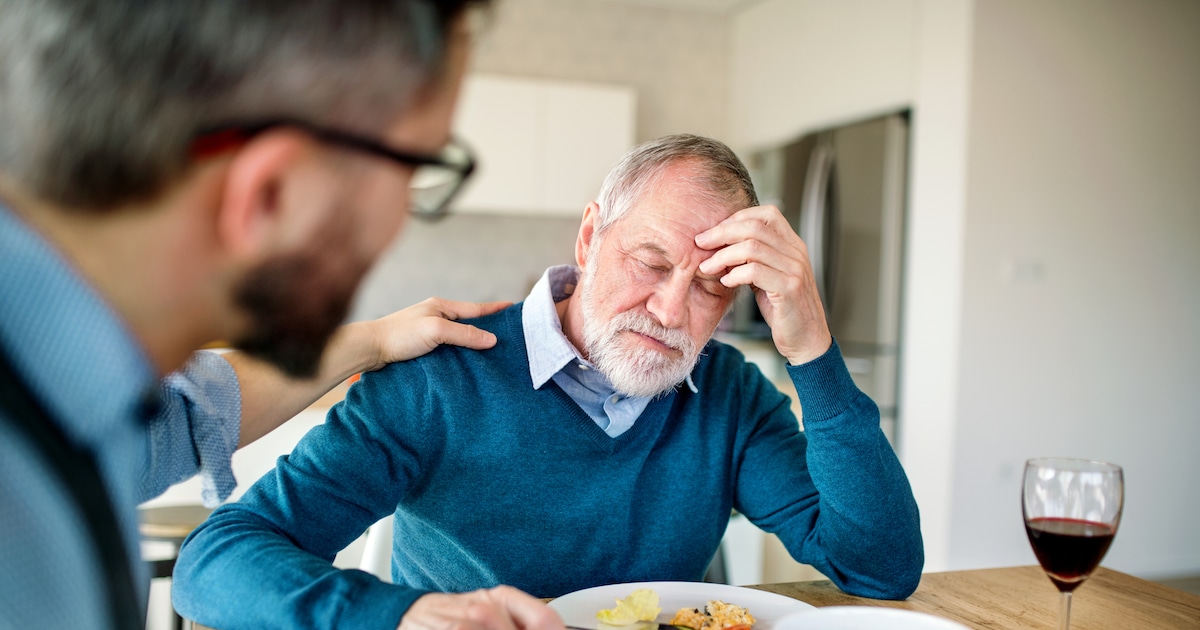
Cancer can remain undetected for a long time – for example because those affected do not know how to classify the symptoms. But the disease can become particularly noticeable when eating.
There are 300 different types of cancer. They all cause different symptoms that vary in their severity and clarity. Knowing about the symptoms and interpreting them correctly can save lives.
According to that Macmillan Cancer Supporta British cancer charity, we can also experience some potentially dangerous symptoms when we eat.
These 6 symptoms can indicate cancer at dinner
Dinner time in particular is an important time to look out for unusual problems. These include:
- Loss of appetite
- rapid feeling of fullness
- Problems swallowing and chewing
- Feeling like something is stuck in the throat
- Indigestion and heartburn that lasts more than three weeks and causes pain (although these symptoms are not a cause for concern after eating a lot of spicy food)
- bloated or swollen stomach
If symptoms occur more frequently or last longer, a doctor should be consulted to be on the safe side.
Finally, they can access a possible
- stomach cancer,
- peritoneal cancer,
- Colon cancer–
- or ovarian cancer
point out.
Changes in stool can also be warning signs
Macmillan Cancer Support also advises that changes in stools should also be monitored if they persist for more than three weeks. Possible warning signs are:
- loose or liquid stools
- hard stool
- increased urge to defecate
- Blood in the stool
However, all of these complaints can also have harmless causes, emphasizes the charity. A visit to the doctor is essential for clarification.
How you can prevent colon cancer
Prevention plays a crucial role in saving lives. “Colon cancer prevention is the role model of prevention. It is the most successful preventative measure we know of,” explained Berndt BirknerPresident of the Network against colon cancer.
This has prevented 350,000 cases of colon cancer and 150,000 deaths in the last 20 years. This corresponds to a decrease in incidence of 30 percent, and the death rate even fell by 40 percent.
- Exercise regularly – at least half an hour a day.
- Healthy diet: Get enough fiber, for example from grain products, legumes and vegetables. Eat little red meat and processed meat products such as sausage.
- Avoid being overweight: Get rid of extra pounds!
- Avoid cigarettes: Don’t smoke!
- Avoiding alcohol: Drink alcohol only in moderation.