whizzy1919@gmail.com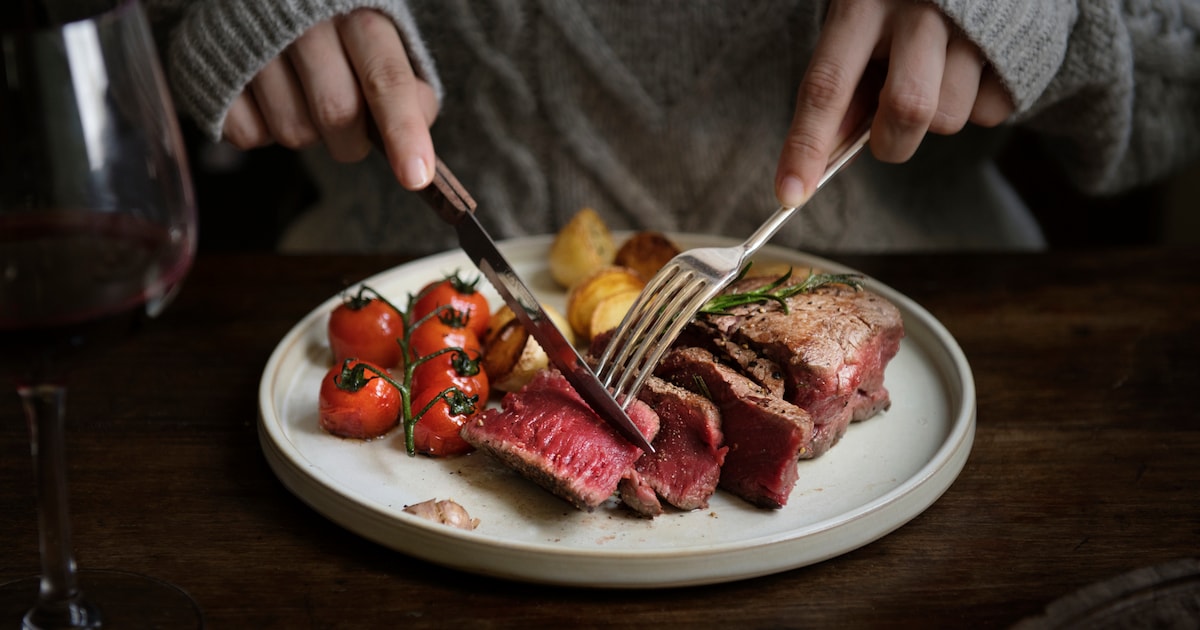
A new analysis of US data shows that a diet rich in creatine is associated with lower rates of cancer. The researchers see this as further evidence of the possible protective effects of creatine, especially in older age.
Cancer diseases are among the leading causes of death in Europe and the USA. For 2024, the United States recorded around two million new cases and more than 600,000 deaths.
What creatine has to do with cancer protection
Known from the fitness scene, it is mainly found in meat and fish. Many athletes also take it as a powder to strengthen their muscles or regenerate faster. One great analysis has now found evidence that people with higher creatine intake are less likely to develop cancer.
The basis is data from a large US health survey of around 26,000 adults. Around ten percent of the participants stated that they had already had cancer. On average they were around 50 years old.
Effects in the four creatine groups
The crucial question was: How much creatine do people consume through their normal diet? To do this, the researchers evaluated two nutritional protocols in which the participants stated what they had eaten within 24 hours. Creatine is found almost exclusively in animal foods – especially beef, poultry and fish.
On average, the participants consumed 0.12 grams of creatine daily. Men had around 0.14 grams, women around 0.10 grams. The research team then divided all people into four groups – from very low to comparatively high creatine intake.
The difference was measurable:
- In the lowest intake group, 10.7 percent had a cancer diagnosis.
- In the group with the highest intake it was 9.2 percent.
- With every moderate increase in the amount of creatine, the probability of cancer statistically decreased by about five percent.
- Overall, it was 16 percent lower in the highest quarter than in the lowest.
These are not dramatic differences. But there is a clear connection.
For men, creatine works in small doses
The connection was clearer for men than for women. Even small differences in the amount of creatine – around 0.09 grams per day – were associated with around seven percent lower risk of cancer in men. After precise statistical calculations, this connection could no longer be reliably proven in women.
Body weight also played a role. Overweight participants had a higher creatine intake that was around eight percent less likely to have cancer. However, there was an opposite trend among underweight people: here the risk was significantly higher. This is a striking finding that requires further investigation.
The difference was particularly noticeable when it came to age. Starting around age 52, higher creatine intake was associated with up to 14 percent lower odds of cancer. This connection was significantly weaker among younger adults.
Age remains the most important factor
As interesting as the results on creatine are – Age remains by far the most important risk factor. As people age, the likelihood of cancer increases sharply. From a purely statistical perspective, it multiplied significantly with each greater age group.
This becomes particularly clear in a direct comparison of the age groups:
- People between 20 and 36 years old served as reference.
- Those aged 66 to 80 were more than 18 times more likely to get cancer.
This shows that what is most important is age – not creatine and not a single food.
This is how creatine works in the body
Creatine is made in the body from amino acids. It helps to quickly provide energy in the muscles – which is why it is so popular in sports. Creatine is also said to protect cells from harmful oxygen compounds and reduce inflammation in the body.
According to the authors, this probably also provides possible biological explanations for the study results. Creatine could therefore influence processes that are associated with the development of cancer.
Important, however: The data only shows a statistical connection – it does not prove that creatine prevents cancer.
Data does not prove protective effect
Of 100 adults in this study, about ten had a cancer diagnosis. In the group with higher creatine intake there were more like nine. A difference, but not a dramatic one.
The analysis took many factors into account: smoking, alcohol consumption, high blood pressure, diabetes, level of education and lead and cadmium levels in the blood. Nevertheless, it remains an observational study. Some participants may have changed their diet after a cancer diagnosis. Dietary supplements were not evaluated separately.
Creatine is mainly found in fish and meat
The body needs about two grams of creatine every day. He produces around one gram himself in the liver, kidneys and pancreas. Another gram usually comes from food – especially herring, beef, pork, salmon or poultry. Plant-based foods contain practically no creatine, milk only contains very small amounts.
Some is lost when frying or cooking because creatine is sensitive to heat. For healthy adults, amounts of three to five grams daily are considered well-studied and generally safe. People with kidney disease should seek medical advice before taking additional medication.
Briefly summarized:
- In 25,879 adults, higher creatine intake from meat and fish was associated with a slightly lower cancer rate – the difference was around one percentage point.
- The connection was particularly evident in men, overweight people and people over 50 years of age; for women it was ambiguous.
- The most important factor remains age: people between the ages of 66 and 80 had a significantly higher risk of cancer than young adults – creatine is, if at all, only a small component in the overall picture.
By Anne Bajrica