whizzy1919@gmail.com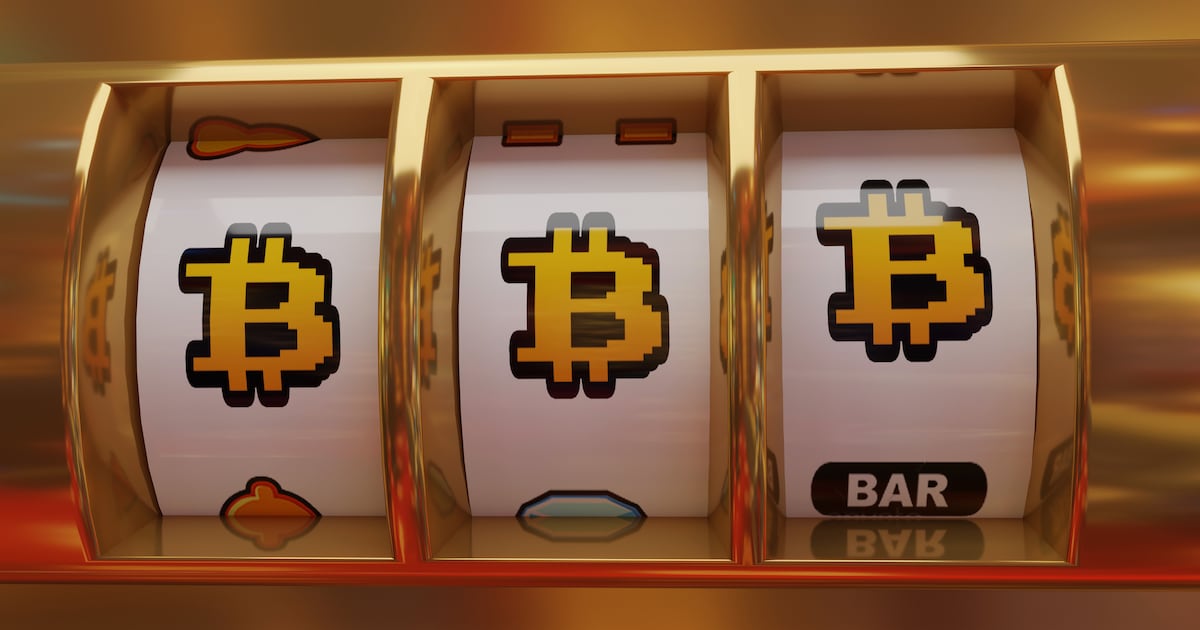
A stranger rents computing power for $75 – and wins the entire Bitcoin block. Crypto expert Eric Heinemann explains how this is possible.
Something happened on the Bitcoin network this week that amazed even experts. An unknown miner rented computing power from the cloud for around $75 – and won the entire thing Bitcoin block 938,092.
Reward: 3,125 Bitcoin, the equivalent of around $200,000. A roughly 2600x return. But how is that possible?
This is what lies behind Bitcoin mining
Bitcoin works without a bank or central control authority. Instead, a global network of computers checks all transactions and combines them into so-called blocks. Whoever is the first to calculate such a block will receive a reward in Bitcoin.
This is called mining. The tricky thing about it: It’s not a clever puzzle to solve, but rather just trying things out based on suspicion – billions of calculations per second until the right solution appears by chance. Anyone who has more computing power – the so-called hashrate – simply has a more frequent chance of winning.
Eric Heinemann is a crypto expert and founder of Crypto nerds. He imparts practical knowledge about digital assets through podcasts, courses and events and advises companies on sales and strategy. He is part of us EXPERTS Circle. The content represents his personal opinion based on his individual expertise.
“Chances significantly worse than most lotteries”
Because individuals can hardly keep up with huge data centers, most miners join together as communities in so-called mining pools. Many people there share their computing power and, if successful, also the reward.
Solo mining, on the other hand, is the opposite: you fight alone. If you don’t find a block, you get nothing – if you find one, you keep everything. The chances are extremely low: with his rented computing power, this miner only had a chance of around 1 in 8,000 per day – significantly worse than with most lotteries.
Cloud mining as a new trend
What makes the current case special: The winner didn’t even need his own hardware. Over Cloud services Computing power can be rented by the day or hour and fed directly into the Bitcoin network.
Solo mining has gone from being a hobby for technology enthusiasts to a kind of digital scratch card – with transparent odds and occasionally spectacular payouts.
“Extraordinary, but not unique”
The current case is exceptional, but not unique. Last year, 21 solo miners successfully found a complete block – together they collected 66 Bitcoin, around $4.1 million. This corresponds to an average of one hit every 17 days, an increase of 17 percent compared to the previous year.
For comparison: the Bitcoin network produces around 144 blocks every day. So solo wins remain a tiny minority – but they happen, and a little more often than before.
Individual solo wins hardly change anything for the stability of the network. The so-called mining difficulty – i.e. how many calculation attempts the network needs on average to find a block – is currently at a record high.
The network automatically adjusts this value every two weeks to keep block production constant at ten minutes: If more miners join, it becomes harder; If some are lost, it becomes easier. A single solo winner doesn’t change that.