whizzy1919@gmail.com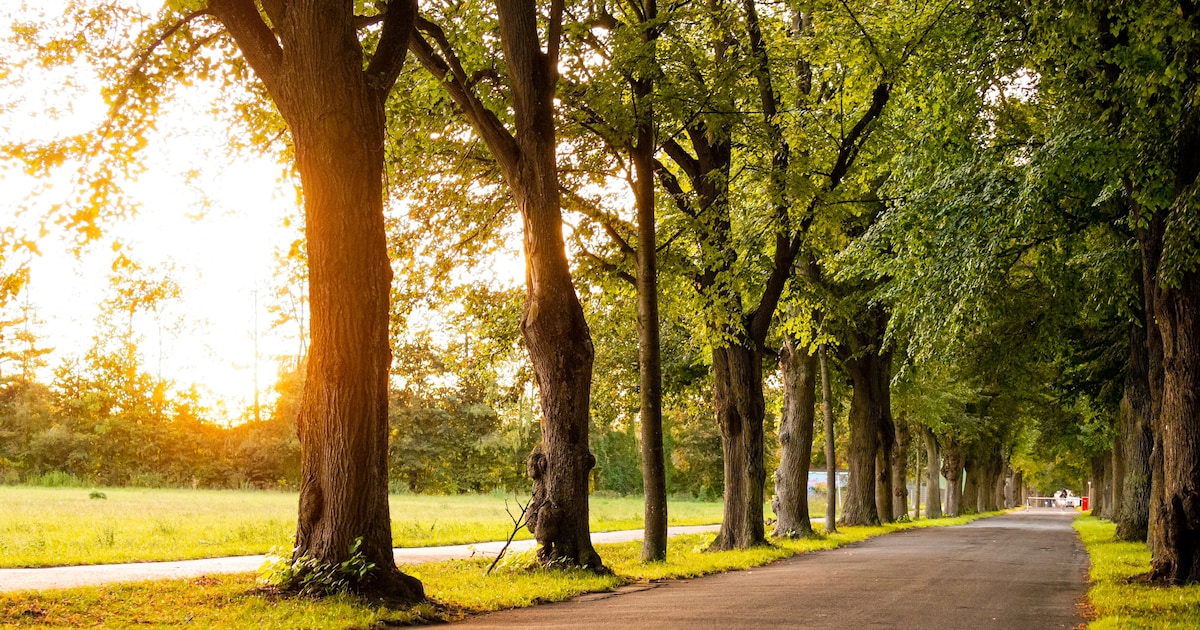
More urban greenery cools the cities – but a study from Augsburg shows: More parks can be problematic for allergy sufferers.
Municipalities are planting more trees, expanding parks and creating new green spaces. This is intended to reduce heat, improve the air and make life more pleasant. At the same time, more and more people are suffering from hay fever. More green does not automatically mean a higher quality of life.
A study from Augsburg shows how significantly pollen levels can vary even within a single park. It’s not just the type of tree that’s important, but also the size of the trees and their distance from each other. The Chair of Environmental Medicine at the University of Augsburg was involved in the study.
Heavily polluted parks – through trees
The 19-hectare Westfriedhof in Augsburg was examined. There are 1,427 trees from 67 species there – around one in three is considered allergenic.
The researchers calculated a pollution value of 0.36 for the entire park. From 0.3 a location is already considered heavily polluted. Overall, the park is in the upper range. But this average is deceptive.
To take a closer look, the researchers calculated the load for 25 by 25 meter sections individually. A clear gradient emerged: in some areas the value is almost zero. Just a few steps further it rises to 0.7 to 1.0 – more than twice as high as average.
For allergy sufferers, this can mean the difference between “tolerable” and significant discomfort.
Crown size more important than tree species for pollen
Birches are considered a classic cause of hay fever. However, the analysis shows that they are not the only decisive factors. What is particularly important is the size of the tree crown. Large, sprawling trees increase the load significantly more than smaller ones. In the study, around 70 percent of the differences in risk could be explained by the crown size. The actual allergen strength of a species also played a role, but was significantly less important.
This means: A large tree with a medium allergenic effect can cause more pollen pollution than a small, highly allergenic tree.
However, certain species stood out in particular. These include birch, hazel and hornbeam. Hornbeams in particular contributed more to the burden than expected in some areas – because they often form large crowns and are close together.

Spring brings extreme peaks
The highest values occurred in spring. Hazel often begins to bloom in February, followed by birch in April. During this time the values shoot up.
The load fluctuates greatly throughout the year. In winter it is almost zero. At peak times the value rises to 0.447 – significantly higher than the annual average of 0.36. This shows that the load is not a constant state. It changes with the flowering phases.
Species with short, intense flowering cause strong rashes. Species with longer flowering times keep the load at a medium level for weeks.
Warm weather makes the situation worse
In addition to tree distribution, the weather clearly plays a role. Warm, dry days drive the values up. Rain lowers them because it washes pollen out of the air. In 2023, the average temperature during the pollen season was around 19.5 degrees Celsius. Rain fell about every third day.
In particularly warm and dry phases, the load increased by up to 24 percent above the usual value. So heat exacerbates the problem. The influence of CO₂ was low during the study period. However, in the long term, increasing CO₂ levels can further increase pollen production.
Why an average value is not enough
For a long time, the burden on parks was described using a single annual value. The study shows how little this says about the actual situation. The values change daily. They depend on the flowering phase, tree size, weather and location. If you only know the average, you will overlook the times of particularly high stress – but these are crucial for allergy sufferers.
Another detail is also important: Even areas with many birch trees can have comparatively low values if the trees are smaller or loosely distributed. Conversely, other species can cause unexpectedly high spikes when planted densely.
The park examined is very similar to the entire city of Augsburg in terms of its tree distribution. The results cannot therefore be limited to a single park. When it comes to planning, this means: It’s not just the species that counts, but also the size, spacing and mix of trees. A diverse planting with different species can help to avoid extreme stress levels.