whizzy1919@gmail.com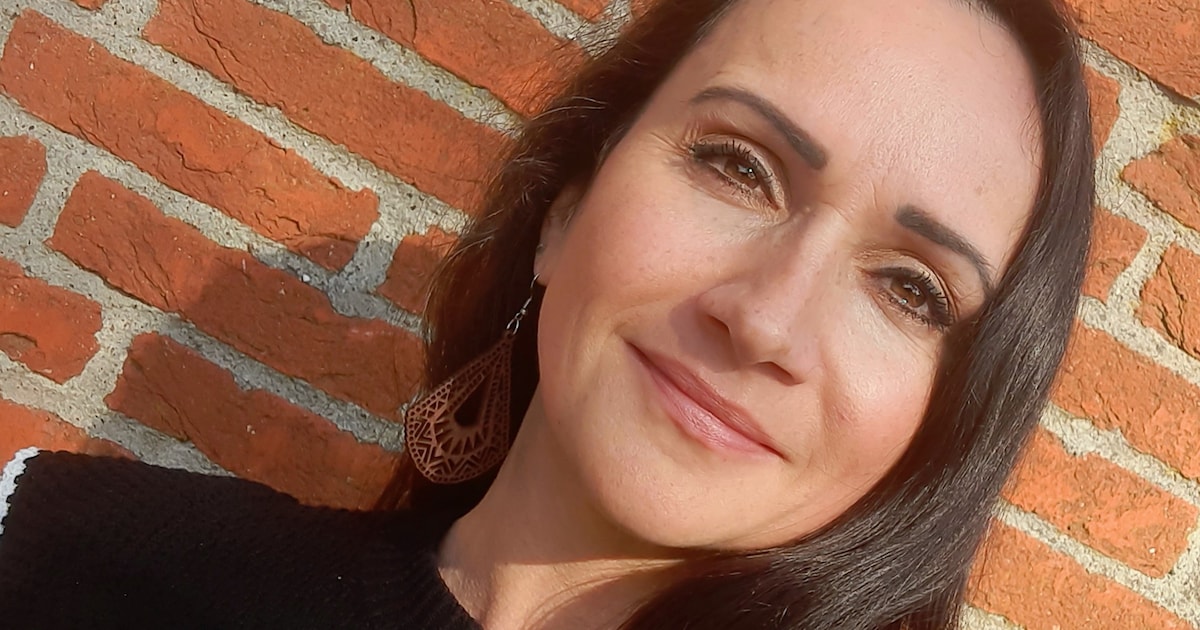
Because her son is suffering at school, Doreen du Bois pulls the ripcord: she leaves Germany with her three children. In Denmark they live without traditional school lessons.
In our house in Denmark, it’s quiet in the mornings: no hectic wake-ups, no struggling to get to school, no tears in front of the classroom door. Two of my three sons are now adults and are going their own way. My youngest lives and learns independently, without a traditional school.
It was never my plan that we would emigrate one day so that we could study freely. It was a development. And it started much earlier than I realized at the time.
My son was curious, but quickly overstimulated
Even as small children, my sons were sensitive to their surroundings. Noise, tight schedules, rigid structures – all of this cost her a lot of energy. My youngest in particular was a so-called “high-need child”: alert, curious, eager to learn, but quickly overstimulated.
About the author
Doreen du Bois is a psychological counselor and certified doula. She worked temporarily as a childminder and led parent-child courses. Today offers them advice for parents, couples, highly sensitive people and free-learning families.
Two attempts at daycare failed. There was too much and too little for him at the same time – too loud, too controlled by others, too little space for his own questions. Then came school. Curious, he started the first grade at a free school. After three months he said to me: “Now I know how to learn to read, write and do arithmetic. I can do the rest at home.” What sounded almost charming at first quickly became serious.
Sometimes he just sat at the window and refused everything
Everyday school life was stressful for him. The early start, full rooms, constant noise levels – he was exhausted. He was not allowed to delve deeper into topics because they were “not yet on”. Sometimes he just sat at the window and refused everything. I was called to pick him up more and more often.
My older sons also began to open up. They talked about inner tension, social pressure, under-challenge, lack of input, too little of what actually interested them. They persevered – but the price was high.
“Why are you putting me in this prison?”
Things escalated with my youngest son. In the morning he stayed in bed, later in the car, and finally in front of the classroom door. There were tantrums, tears, despair. Once he asked me, “Why are you putting me in this prison?” This sentence hit me deeply. Conversations with teachers only helped in the short term.
I wrote to around 20 psychologists. Hardly anyone had the capacity. A doctor recommended Ritalin and boarding school without seeing my child. I got up and left. I kept asking myself the same question: Is my child sick – or is he reacting healthily to a system that doesn’t suit him?
School closures during the pandemic brought calm
During the holidays he was a different child: curious, balanced, full of ideas. The difference was striking. Then came 2020. With the school closures during the corona pandemic, calm returned. What was stressful for many families brought relief to us. Without having to be present, my children visibly relaxed. They slept longer, read voluntarily, researched, experimented, and developed new interests.
Learning happened – without forcing. I realized: It’s not the learning that my child is refusing. It’s the shape. But homeschooling is generally not allowed in Germany. I didn’t want to risk fines or get into a long-term battle with the authorities – but I also couldn’t send my child back into this cycle.
New beginnings in Denmark
After intensive research, we decided to take a radical step: we emigrated to Denmark. Home education is permitted here as long as basic educational goals are achieved. Children are taken seriously as a matter of fact.
Today we shape his learning together: Once or twice every six months we sit down together and plan topics, materials and projects. The structure provides security but remains flexible. He develops some content independently, others with online teachers or in courses. An international distance learning school ensures that formal qualifications are available to him. He delves into natural sciences, tinkers, reads and discusses. He talks about perhaps later starting a podcast about alternative education or developing his own school concept.
In Germany there is general compulsory schooling. Children generally have to attend a state-approved school. Pure homeschooling is generally not planned. Violations can be punished with fines. In addition to imparting knowledge, the aim of compulsory schooling is also social integration.
In Denmark, education is compulsory, but school attendance is not an exclusive requirement. Parents are allowed to teach their children at home as long as the instruction corresponds to public school standards. The municipalities check this at appropriate intervals.
Everyone can choose their own path
His brothers also show me that our path has shaped them. Today you are adults, independent and reflective. You have experienced that you can question decisions. That there are alternatives. My oldest is preparing for his studies. My middle son went back to Germany to the independent school and is doing his Abitur there. That can be the case too. Everyone can choose the path that suits them.
Of course we are met with skepticism: isn’t he missing social contact? How do you make sure he learns everything?
Social learning doesn’t just take place in school classes. It happens in clubs, friendships, projects, in everyday life with people of different age groups. And professional boundaries can be overcome – through courses, experts, digital offerings. We live in the information age.
The German school system needs alternatives
I don’t see my decision as a general criticism of the school system. Many children go there. But not all of them. And alternatives are needed for these children.
The hardest thing for me was trusting my gut feeling. Against expectations, against social norms, against the fear of doing something wrong. Today I know: learning is not a place. It’s a process. And it starts where children are taken seriously.