whizzy1919@gmail.com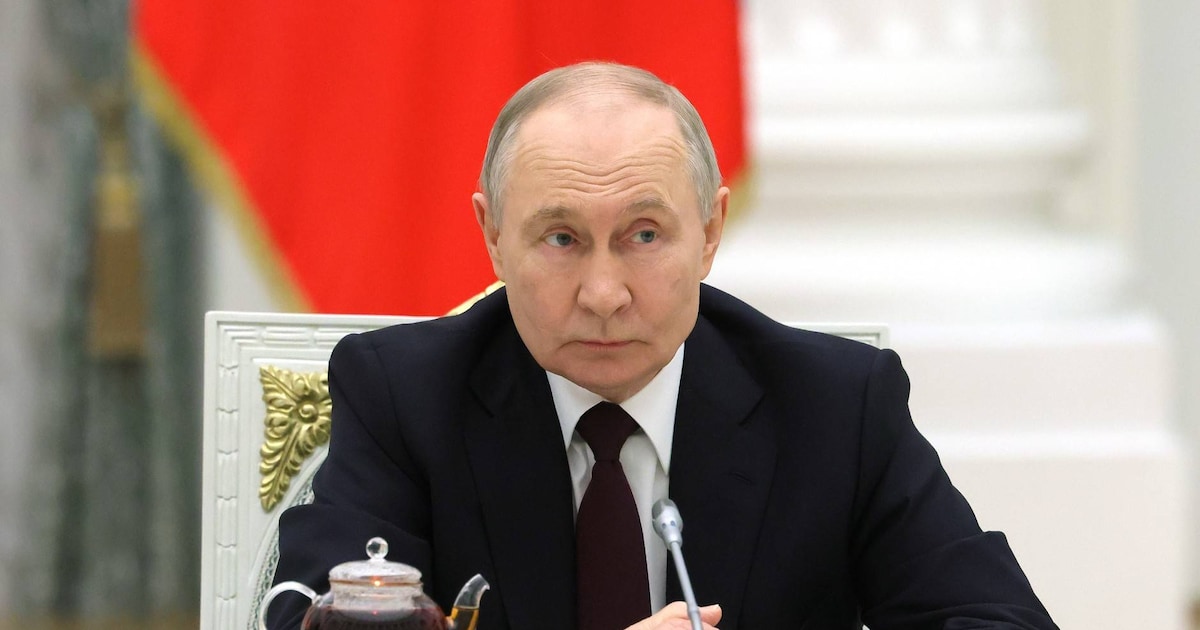
Western sanctions are putting pressure on Russia’s steel industry. Manufacturers are demanding broad tax breaks. The Kremlin rejects this.
Kremlin rejects tax breaks for steel manufacturers
The steel industry had actually tried to raise a price limit that was necessary to calculate the steel consumption tax. Furthermore, should Companies receive a six-month tax exemption. Most recently, the companies called on the government to impose an additional tax on metal imports – or at least tariffs on deliveries by rail.
Russian Deputy Prime Minister Denis Manturov rejected the proposal on Tuesday (March 3). International media, including the “Moscow Times“, reported that Manturov had thus supported the Ministry of Finance, which had also rejected the broad tax cut for the steel industry.
Steel production collapses: what’s behind it
Russia’s steel industry has been suffering from a combination of stressors for some time. Three important influences are:
- Weak domestic demand: Due to the postponement of important infrastructure projects, the construction sector needs less steel. The fuel and energy sector also had lower demand. This was partly due to the still high interest rates within Russia. The central bank recently reduced it to 15.5 percent.
- Competitive pressure from China: Just as in the car industry, Chinese players are increasingly entering the Russian market. The share of foreign production in the Russian steel market increased from 6.3 percent to 9.6 percent between 2024 and 2025.
- Western sanctions: Just as with oil and gas, the Western market was an important buyer that disappeared for the Kremlin in 2022. Russia has oriented itself towards Asia, but has had to accept discounts of between 15 and 30 percent on its steel exports.
One result: Steel production collapsed significantly in 2025. Figures from the World Steel Association, one of the main steel associations, show a decline from 76 million tonnes in 2023 to 67.4 million tonnes in 2025.
Russia’s steel exports have fallen by a third since the invasion of Ukraine: from 32 million tons in 2021 to 20 million tons in 2024. This means billions in losses for one of the world’s most important steel nations. The steel giant Severstal reported a quarterly profit of over 160 million US dollars (the equivalent of around 138 million euros) in October 2025, only a third of the previous year’s result.
Western sanctions weaken steel manufacturers
Russia’s economy has been under increased pressure for months. Many companies suffer from high key interest rates, which make investments difficult thus creating stagnation where Russia needs stronger results. Because the revenue from oil and gas sales is no longer sufficient, the Kremlin has already raised VAT and cut or postponed important investments. In short: the money is not enough. Not really for extensive tax cuts.