whizzy1919@gmail.com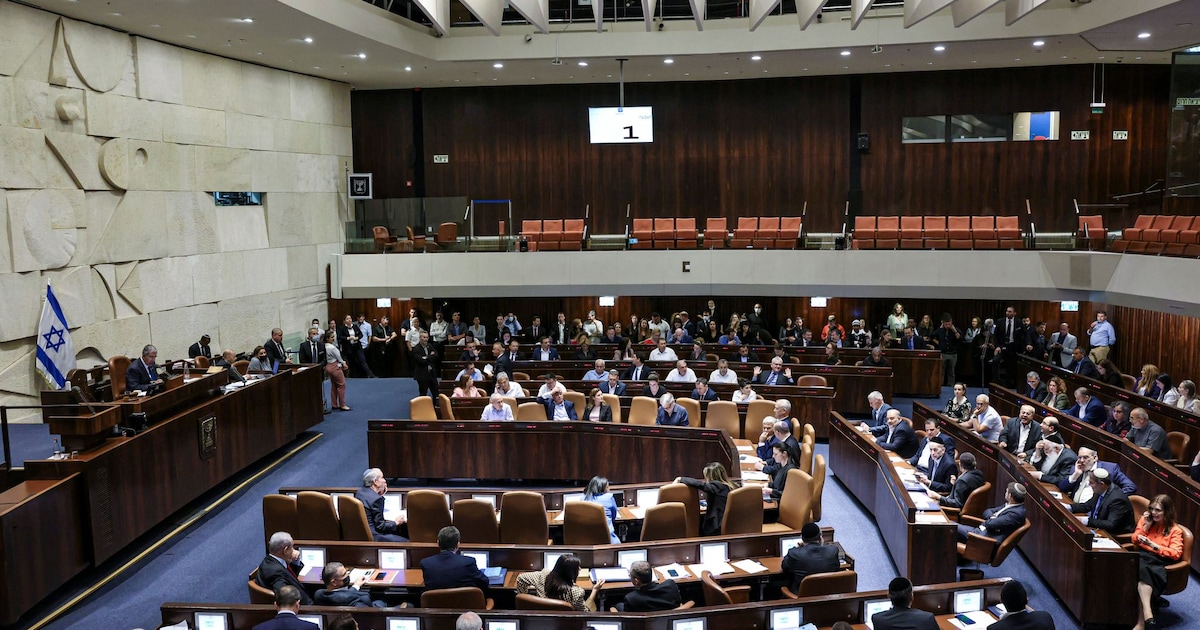
With his proposal for a temporal division of the office of Prime Minister of Baden-Württemberg between the Greens and the CDU, CDU/CSU parliamentary group leader Jens Spahn alludes to the so-called Israeli model.
Such agreements have been made legally in national governments several times in the past.
This is a model in which an alternative prime minister automatically takes over the office of the initially designated head of government at a specified point in the legislative period. In such cases, the cabinet is usually made up of two equal blocks that have the same weight in decisions.
According to the think tank Israel Democracy Institute, such a rotation model creates a government with two centers and sometimes unclear balance of power.
Schröder thought about a model with Merkel
The Israeli model was also briefly discussed at the federal level: after the 2005 federal election, the CDU/CSU and SPD had almost the same number of seats in parliament (226 to 222). According to media reports at the time, the voted-out SPD Chancellor Gerhard Schröder could imagine sharing the chancellorship with Angela Merkel: first he, later she. The Union rejected this. Merkel became Chancellor.