whizzy1919@gmail.com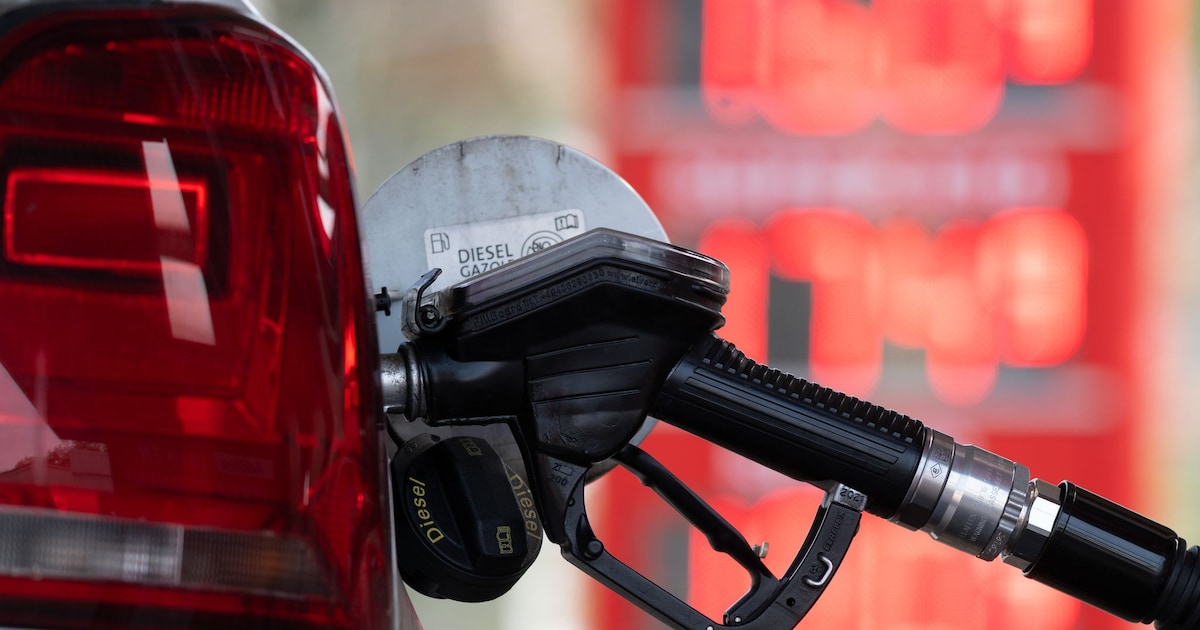
As a measure against rising fuel prices, Economics Minister Reiche only wants to allow one increase per day. This has been the case in Austria for years. People are happy there.
Is the idea new in Germany?
No – last November the Federal Council called on the federal government to examine the Austrian model. Back then, however, the main thing was to react to the frequent changes throughout the day. In the first half of 2025, the Federal Cartel Office counted an average of 22 price changes per gas station per day.
What are your experiences in Austria?
The Austrian Ministry of Economic Affairs said in the fall that the regulation had proven to be appropriate and satisfactory. It creates trust among consumers, who now know exactly “that the prices in the evening or in the morning are cheaper than shortly after midday.” This reduces the incentive for gas station operators to make permanent changes in both directions.
The regulation has existed in Austria since 2011. Originally, the time for the one-off price increase was set at the start of operations. According to the ministry, however, this disadvantaged gas stations that were on commuter routes into the city – i.e. that had the most passing traffic at the time of high prices. To change this, the time for increases has been changed to 12:00 p.m.
What do experts say?
There were also critical voices surrounding the Federal Council initiative in the fall. The core issue was the fear that the oil companies would be able to increase their prices in reserve and thus particularly sharply with the one permitted increase.
Around a year ago, the Federal Cartel Office also commented on the regulation in Austria in a sector investigation into the German fuel market – but without a clear trend. There is a study that suggests the model there could have led to price reductions. However, other more critical observations shared the ADAC’s concern that the prices could be set too high at the beginning.
In addition, experts were critical of the regulation of setting the price jump at midday. This shows that fuel would often be cheapest shortly before midday – at a time when many people cannot fill up. In Germany, the evening is usually the best time to refuel.
Is refueling more expensive or cheaper in Austria than in Germany?
Fuel is significantly cheaper in Austria. According to data from the EU Commission, as of Monday March 2nd, it was around 37 cents per liter for E5 premium petrol and around 25 cents for diesel. However, these figures come from a time when the massive price increases caused by the Iran war were just beginning. The differences to Germany are usually mainly due to differences in taxes and duties.