whizzy1919@gmail.com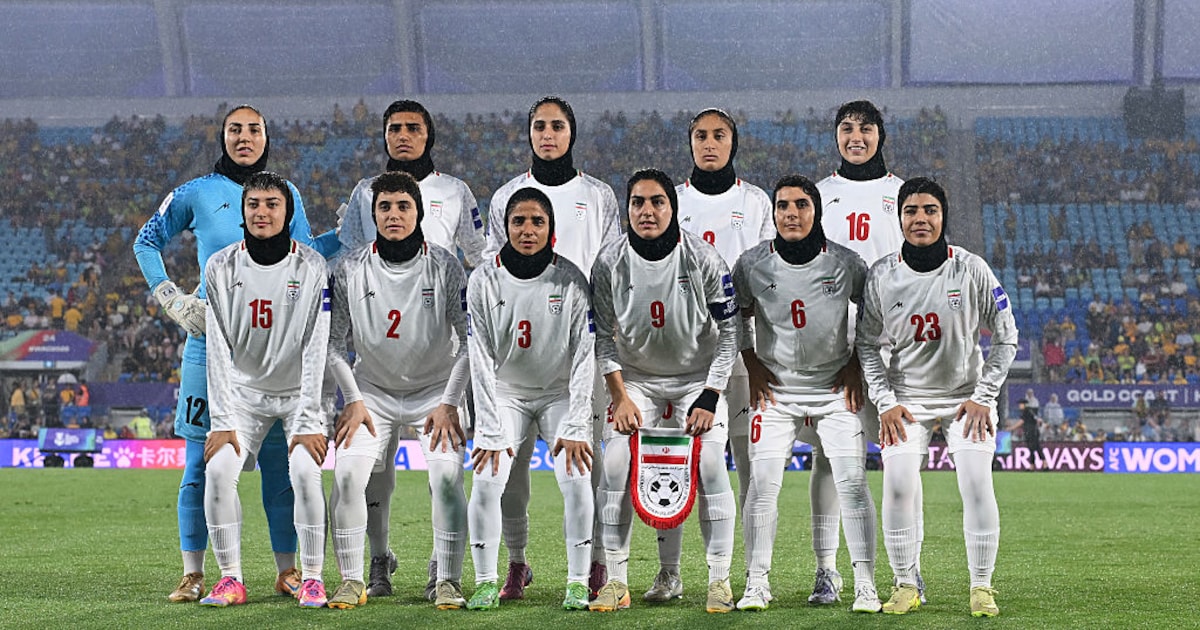
An Iranian footballer is now returning to her homeland – even though she was granted asylum in Australia. The case is part of a dramatic conflict: protest at the stadium, escape from the hotel and negotiations with Australian authorities.
One of seven Iranian footballers granted asylum in Australia has changed her mind: She is now flying back to Iran. For the athlete, the journey home is likely to mean a permanent separation from her teammates, who remain in exile in Australia but now have to be evacuated. Because their secret location is no longer secret.
These events represent the latest development surrounding Iranian female footballers. It’s about political tensions, the Iranian diaspora and discreet negotiations with Australian authorities. The “BBC” reconstructs the entire story – as a drama with various acts that begins in the stadium.
Iranian footballers don’t sing along to the anthem – and then they do again
The trigger was the first group game of the Asian Championship at the beginning of last week. There, the Iranian players collectively refrained from singing along to the national anthem, which happened two days after the start of US-Israeli attacks against Iran is seen as criticism of the Islamic Republic. Iranian state media then accused the women of “treason”.
The simmering conflict intensified when the team sang the anthem again in the following two games. This creates the impression that she was put under pressure – directly or indirectly.
After the tournament ended on Sunday, other questions came into focus: Would some players try to stay abroad? And what consequences would that have for their families back home?
On Monday afternoon, “BBC” journalists observed a small group of Iranian players in the hotel lobby having a relaxed chat with members of the local Iranian community. Despite security and police presence, the situation initially seems harmless.
Five players disappear in the hotel; it is the moment of escape
However, it was previously said that the 26-member team would be closely monitored, had no internet access and would not be allowed to have any contact with outsiders. From this point of view, the casual chat seems quite surprising.
Shortly afterwards the mood changes. According to the BBC, members of the Iranian delegation run through the lobby towards the underground car park, followed by a player and coach Marziyeh Jafari. Suddenly it becomes clear that five players have disappeared – just at the time of Iftar, when the team would actually get together to break their fast. It is the moment of escape.
There is obviously a long-prepared plan behind this. The five players Fatemeh Pasandideh, Zahra Ghanbari, Zahra Sarbali, Atefeh Ramazanzadeh and Mona Hamoudi are said to have left the hotel and sought protection. They immediately receive humanitarian visas from the Australian authorities.
Two more Iranian team members join the group of five
A little later, two other team members, the player Mohaddeseh Zolfi and the supervisor Zahra Soltan Meshkeh Kar, also decided to stay in Australia. They are separated from the rest of the team, taken to a police station near Brisbane airport and reunited with the other five players.
,regionOfInterest=(1017,408)&hash=a2756185b348af38f450ec9459b9dfa1d14c70a25ceb6a72268fc8f7da83c7f9)
The Iranian community in Australia plays an important role in this process (over 85,000 Iranians live in the country). Activists tried in advance to communicate with the players via the federal police, social media or personal contacts and to give them reliable information about their options.
The activists are fighting against targeted false reports that, according to reports, were spread by representatives loyal to the regime. For example, female soccer players are persuaded that an asylum application could lead to internment in a refugee camp.
Six footballers are staying, the rest are flying back to Iran
At the same time, discreet discussions are taking place between the footballers and the Australian government. Interior Minister Tony Burke reports on nightly meetings in the hotel lobby where the Iranian women talk to interpreters, immigration officials and their families without visible guards. They are assured that they will be able to freely decide about their future.
In the end, six women choose to remain in Australia, one changes her mind – a move that the Australian authorities respect. The rest of the team goes up under the strictest security precautions and great emotions boarded a plane to Kuala Lumpur, the stopover on the way to Iran.
While the footballers remaining in Australia are safe for the time being, the situation for those returning is unclear. Human rights experts warn of reprisals. The drama doesn’t seem to be over. Unfortunately.