whizzy1919@gmail.com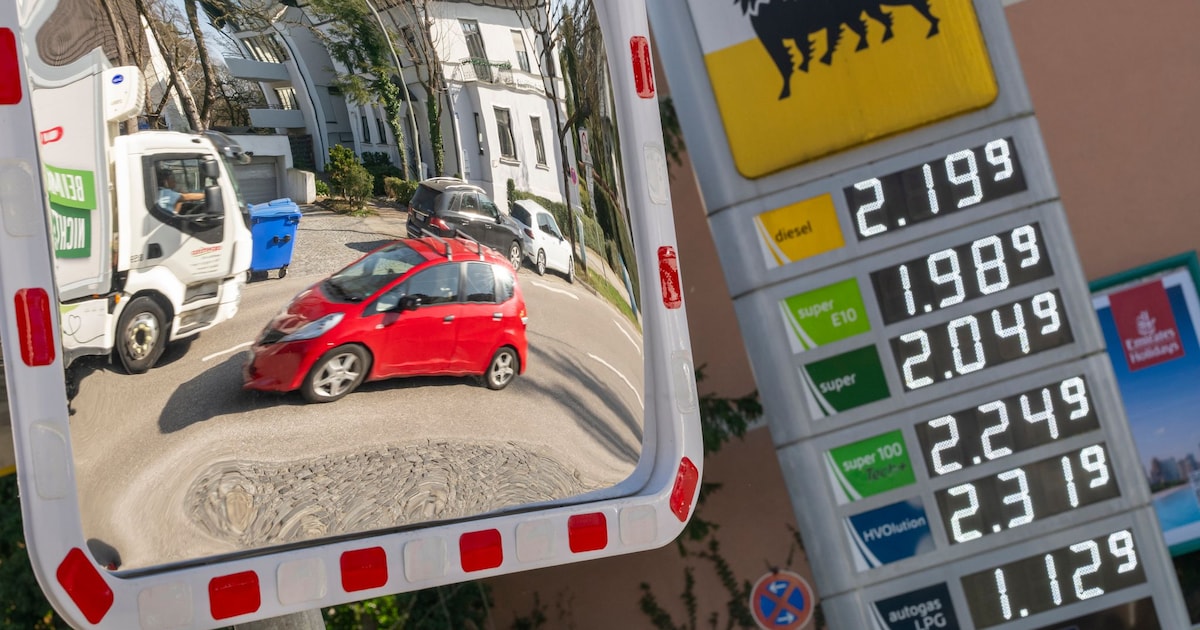
For the first time since the start of the Iran war, fuel has become cheaper on a daily basis.
Premium gasoline of the E10 variety and diesel were 3.4 and 5.4 cents cheaper on a nationwide daily average on Wednesday than on Tuesday, as the ADAC announced.
At 2,011 euros per liter, however, E10 was still a good 23 cents more expensive than the day before the outbreak of war. At 2.134 euros per liter on Wednesday, diesel was almost 39 cents more than before the attacks began.
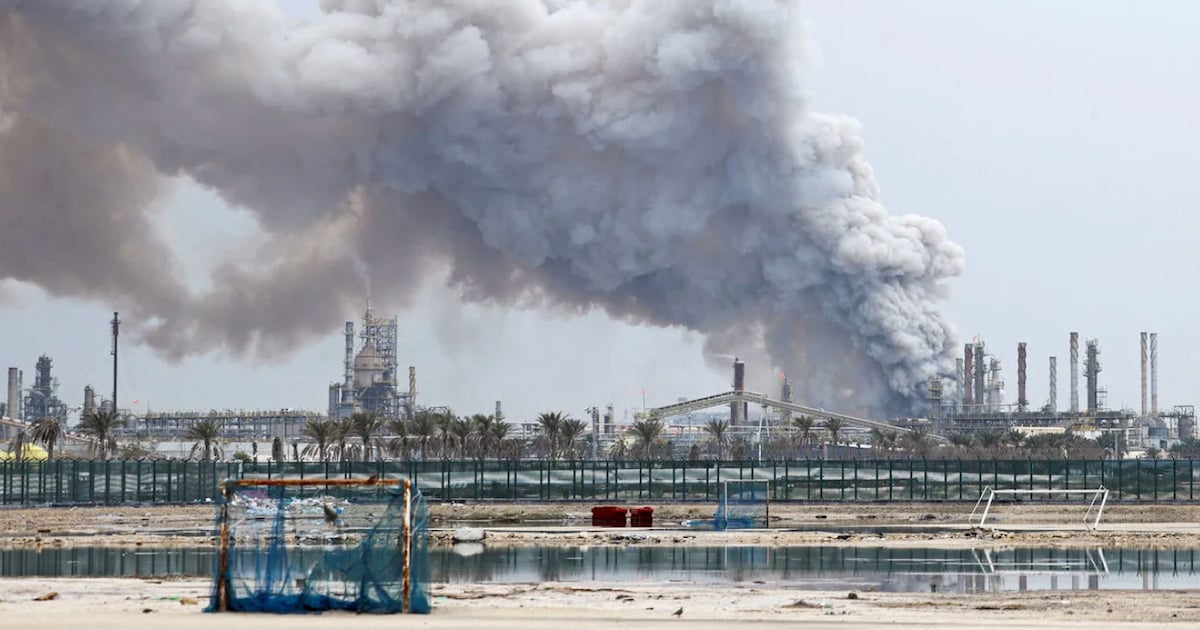
A central driver of the recent price increases were crude oil prices, which had risen sharply in the past week and a half. The background is that the war affects the Strait of Hormuz, through which large quantities of crude oil and also liquid gas are transported.
Diesel also typically reacts more strongly to crises, among other things because, given the high consumption by trucks, among other things, much more of this fuel has to be imported into Germany and it is used in other places in addition to the transport sector, partly to replace gas. This was already evident four years ago at the start of the war in Ukraine.
Crude oil drives up prices
Their development may also have played a role in the current decline: On Monday, the price for a barrel (159 liters) of the North Sea Brent variety temporarily rose to more than $120 per barrel, but had already fallen significantly again during the course of the day. On Tuesday and Wednesday the situation partially calmed down with prices well below $100. The situation in the war zone remained confusing – on Thursday morning the oil price was back around $100.
On Wednesday, various countermeasures against the high oil and fuel prices were decided. The International Energy Agency (IEA) has announced that the agency’s 32 member countries will release 400 million barrels of crude oil from their strategic reserves – more than ever before in a joint action. In addition, according to government plans, gas stations in Germany will only be allowed to increase their fuel prices once a day. It is doubtful whether this will change the high prices. Many consumers near the border therefore drive across the border to refuel.