whizzy1919@gmail.com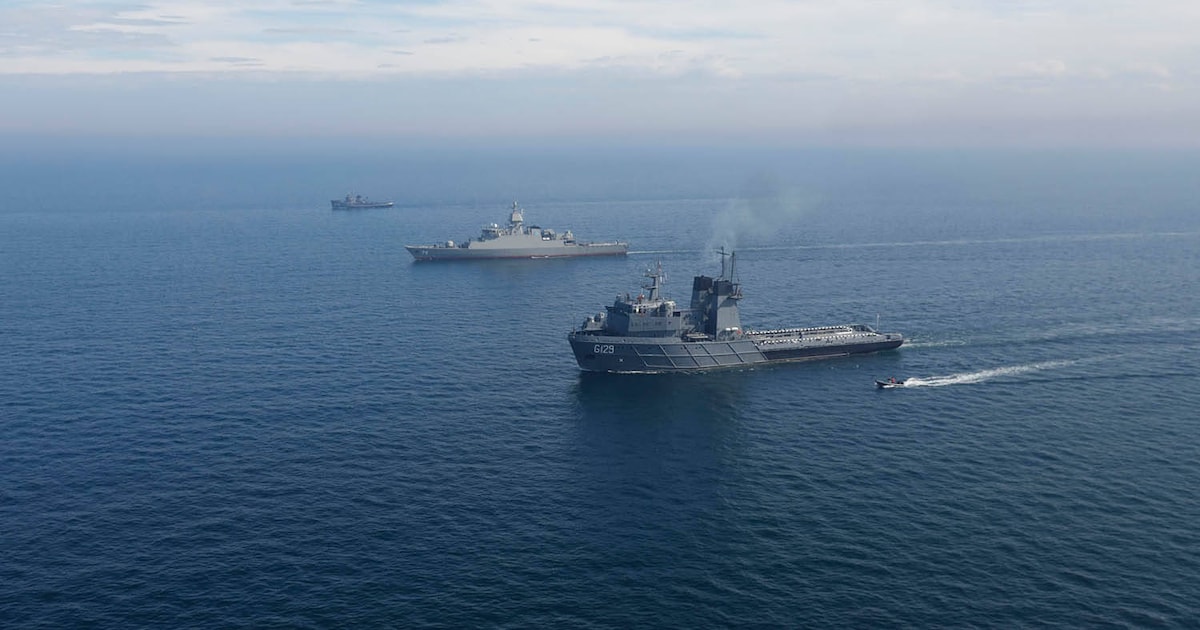
Thousands of tankers have been stuck in the region since Iran blocked the Strait of Hormuz. Several states are bringing military support into play – nothing has happened so far.
While Iran exports even more oil than before the war, trade in crude oil from other states in the Gulf region has almost completely come to a standstill. When the war began at the end of February, Iran effectively closed the strategically important Strait of Hormuz to freight traffic.
No wonder that the countries affected by the oil price shock are considering how shipping traffic can be secured and restarted. One possible solution: to have the tankers escorted by warships.
The US Treasury Secretary Scott Bessentbrought the possibility of international cooperation into play again on Thursday. “I expect that as soon as it is militarily possible, perhaps together with an international coalition, the US Navy will escort ships through these waters,” he told Sky News. He did not comment on the exact time.
The G7 countries also want the escorts
But there are no plans for a quick start in the USA. Trump had said at the beginning of the week: “When the time comes, the US Navy and its partners will, if necessary, escort tankers through the strait.” The US Navy apparently receives requests for military escort from the shipping industry almost daily. From the Navy’s perspective, the danger situation is currently too high for an escort, as an anonymous source told the Reuters news agency.
The US Secretary of Energy, Chris Wright, is therefore not expecting the escorts to start until the end of the month. “It will happen relatively soon, but it’s not feasible right now,” Wright told CNBC. “All of our military resources are currently focused on destroying Iran’s offensive capabilities and the industry behind them.”
Shortly before, Wright had claimed in a now-deleted social media post that the USA had already escorted a tanker. This turned out to be false news and caused turbulence on the oil markets.
The G7 countries also declared under the chairmanship of French President Emmanuel Macron on Thursday that they wanted to secure the tankers with military ships. However, it still needs to be investigated at what point in time it is safe enough for this. The government in Paris gave several weeks as a time horizon.
The situation can be summarized as follows: Everyone is in favor of military escorts – but no one dares to implement them.
No wonder, because the situation for operations is delicate: Tehran’s troops repeatedly shoot at merchant ships that attempt to sail through the strait. Between February 28, when the Israeli-American offensive on Iran began, and March 12, the British Maritime Security Agency (UKMTO) received a total of 20 reports from ships about incidents around the Strait of Hormuz. 16 of these were attacks and four involved other suspicious activities.
The mere possibility of becoming the target of an attack is enough to make the waterway largely impassable.
Only a few ships still accept the risk of an attack; around 3,000 are currently stuck, according to media reports. Around 30 German ships are currently in the region, the managing director of the Association of German Shipowners told Bayerischer Rundfunk. “So far there is only one case known where a German ship was actually damaged.” A ship belonging to the German shipping company Hapag-Lloyd was hit by shrapnel and caught fire on Thursday morning.
Since around a fifth of the world’s traded crude oil normally travels through the Strait of Hormuz, the effects of the blockage are clearly being felt on the global market.
The problem: The Strait of Hormuz is only 40 kilometers narrow in places. Due to the proximity to the shore, it is a major challenge to detect missile or drone fire in good time and to be able to repel it completely.
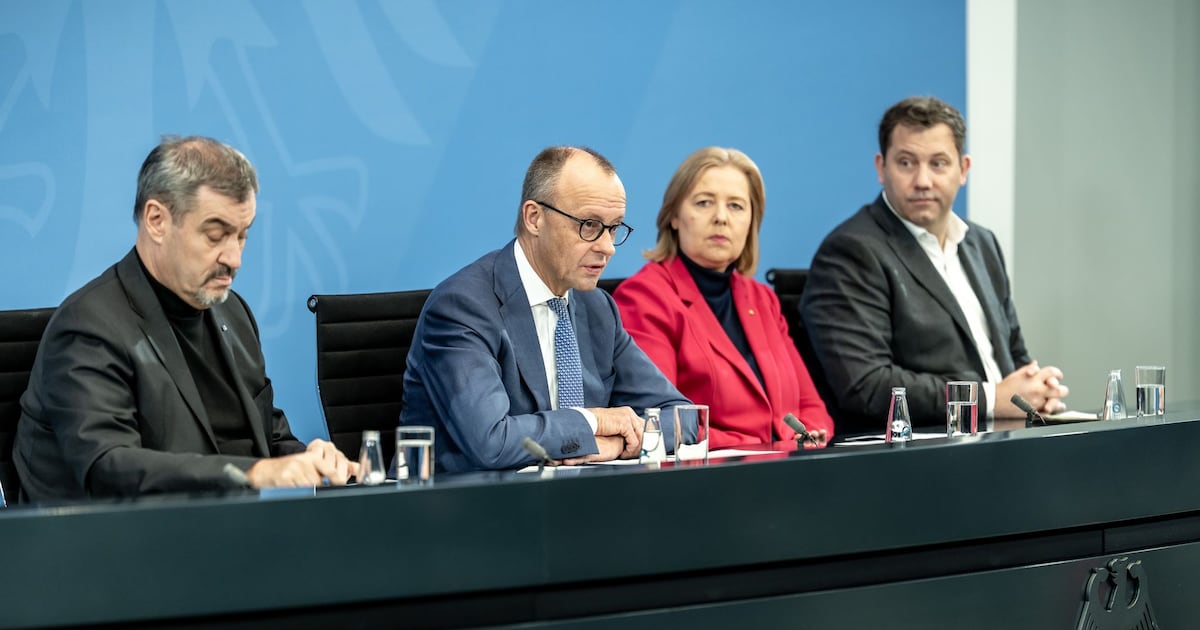
Chancellor Friedrich Merz said on Friday that he currently sees “no reason to think about securing sea routes militarily.” He criticized the unclear strategy of Israel and the USA in the Iran war and made it clear that Germany should not become a party to the war.
At the moment the consensus seems to be that military escort of the tankers is only an option once the greatest threat from the war has subsided. Whether it is still necessary is another question. Trump said at the start of the war that the operation would last about four weeks.