whizzy1919@gmail.com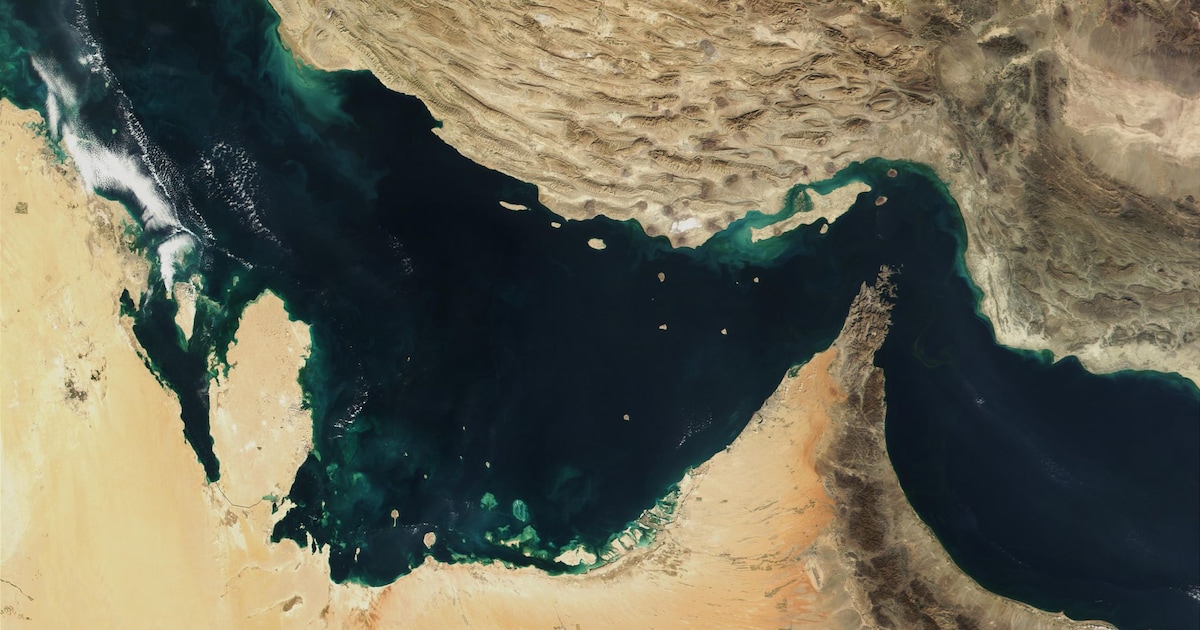
The IEA boss sounds the alarm. The Iran war could hit global energy supplies harder than ever before. Oil, gas, supply chains, everything is in jeopardy. Politicians would underestimate the dimension.
The head of the International Energy Agency (IEA), Fatih Birol, warns the “FAZ” of a historic crisis. His drastic assessment: We are facing the “greatest threat to energy security in the history of humanity”.
And even more explosive: politicians have apparently not yet understood the dimension. He “doesn’t have the impression that the political decision-makers have yet understood the scope of the problem (…)”.
Numbers leave no doubt
The current data speaks for itself. While the oil crises of the 1970s together took around ten million barrels off the market every day, now the figure is around eleven million. Birol sums it up: “The damage is greater than these two major oil price shocks combined.”
,regionOfInterest=(1731.5,1154.5)&hash=5822b0c9d09a8e0ca30afd4e2e6aa3f4fd99734e72a356fefd4a10851ef341a2)
Global economy in a stranglehold
At the center of the crisis is the Strait of Hormuz. Central energy and raw material flows converge here. For Birol it is clear: “These are the main arteries of the global economy, and almost all of them are paralyzed.” In addition to oil and gas, important substances such as fertilizer and helium are also affected.
The options are limited. Even additional funding would not help immediately. The IEA therefore does not rule out releasing further strategic oil reserves. 400 million barrels have been released so far. “That’s 20 percent of our inventory, so we still have 80 percent.” At the same time, drastic measures could be necessary – such as speed limits or more home offices.
Harsh criticism of Germany
Birol becomes particularly clear when looking at Germany. His judgment is clear. “Germany made (…) a huge strategic mistake by shutting down the nuclear power plants,” he explains and emphasizes: “The situation wouldn’t be so bad today if Germany still had the power plants.”