whizzy1919@gmail.com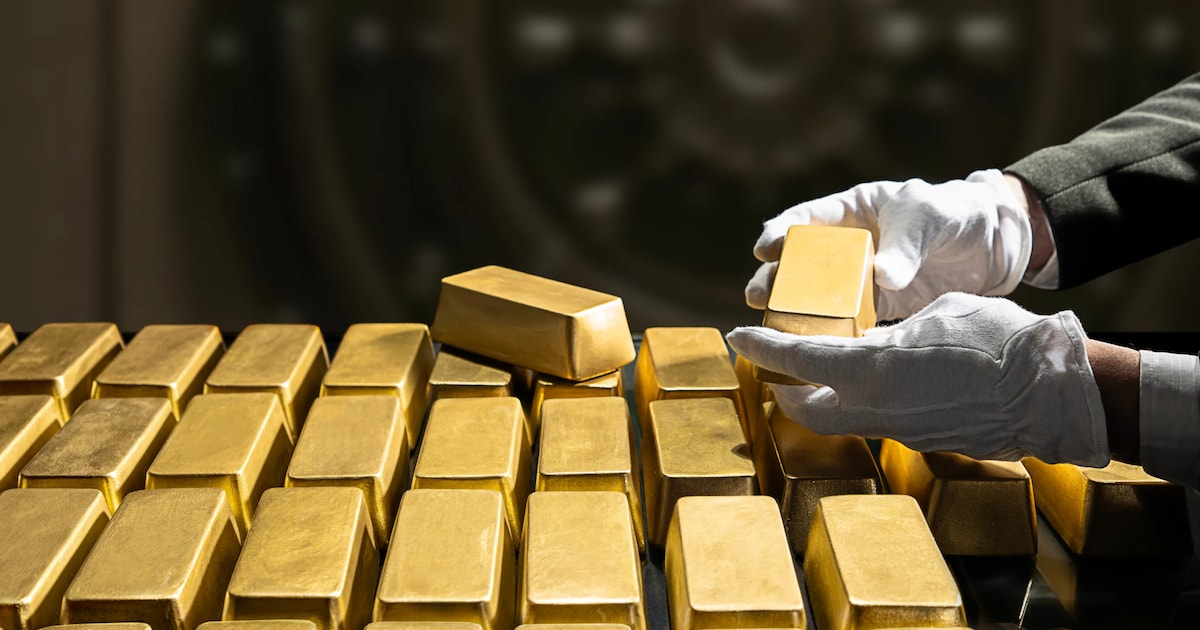
The fall of gold seems paradoxical. A look at interest rates, dollars – and history – shows that gold remains relevant, but differently than many believe.
- In the video: Gold and silver prices in free fall
The crash comes suddenly – and it contradicts classical logic. Gold falls in the Iran war instead of rising. So goodbye safe haven?
The most important factors currently affecting the price of gold:
- Rising oil prices are driving inflation
- Interest rate cuts are becoming more distant
- Real interest rates rise
- The US dollar is appreciating significantly
“At the moment, gold is failing as a crisis protection,” is how FOCUS online stock market expert Clemens Schömann-Finck classifies the situation. “The precious metal has lost more than stocks and Bitcoin in the past four weeks.”
The whole thing is fueled by an often misunderstood context:
“The price of gold is more dependent on interest rates than on inflation. Rising inflation expectations are currently leading to higher interest rates – and that is putting a strain on gold.”
Historical view: Gold protects, but differently than expected
A look at previous bear markets puts the current weakness into perspective. A clear pattern has emerged over almost five decades:
- Gold usually outperforms stocks significantly in crises
- But it still often falls
- Only in exceptional cases does it rise sharply
For example, while stocks sometimes lose over 30 percent in crash phases, gold often only declines moderately. It was even a clear winner in the financial crisis from 2000 to 2009. Gold is therefore no guarantee of profits, but it is definitely an instrument for stabilizing your portfolio.
Between rally and correction: How severe is the slump really?
A look at the past year and the past few months also puts the crash into perspective: Gold increased by around 65 percent in 2025 and reached a record high of almost $5,600 at the beginning of 2026.
The market was therefore overheated. The current move is also a classic correction, reinforced by profit-taking, rebalancing and liquidity needs.
“Many investors are currently looking for liquidity,” says Schömann-Finck. “Gold is the top choice for selling thanks to strong gains last year.”
What investors should do now
1. Short-term investors: actively manage risk
- Secure partial profits
- Set stop loss marks
- Plan for volatility
Interest rate uncertainty remains high and further setbacks are possible.
2. Newcomers: Patience instead of activism
- No entry in one fell swoop
- Invest gradually (e.g. savings plan)
- Wait for stabilization
After sharp declines, countermoves are possible but not guaranteed.
3. Long-term investors: stay calm
Despite the price slide, the structural argument for gold remains:
- rising national debt
- geopolitical tensions
- long-term inflation risks
Gold is not a short-term protection
Current developments, however, show one central insight: gold does not protect against every shock, and especially not in the short term. It is sensitive to interest rates, currency movements and market liquidity. Especially in phases of rising real interest rates, gold can even fall, even in the face of geopolitical uncertainty.
“I remain confident that we will soon see a rising gold price again,” says Schömann-Finck.
The Iran war is once again reinforcing the gold price drivers of the last few years:
“National debt will rise even faster and China and other countries will increase their gold purchases to make themselves more independent from the US.”
Overall, gold remains an important component, but not as quick protection against crises, but as long-term insurance in the portfolio.