whizzy1919@gmail.com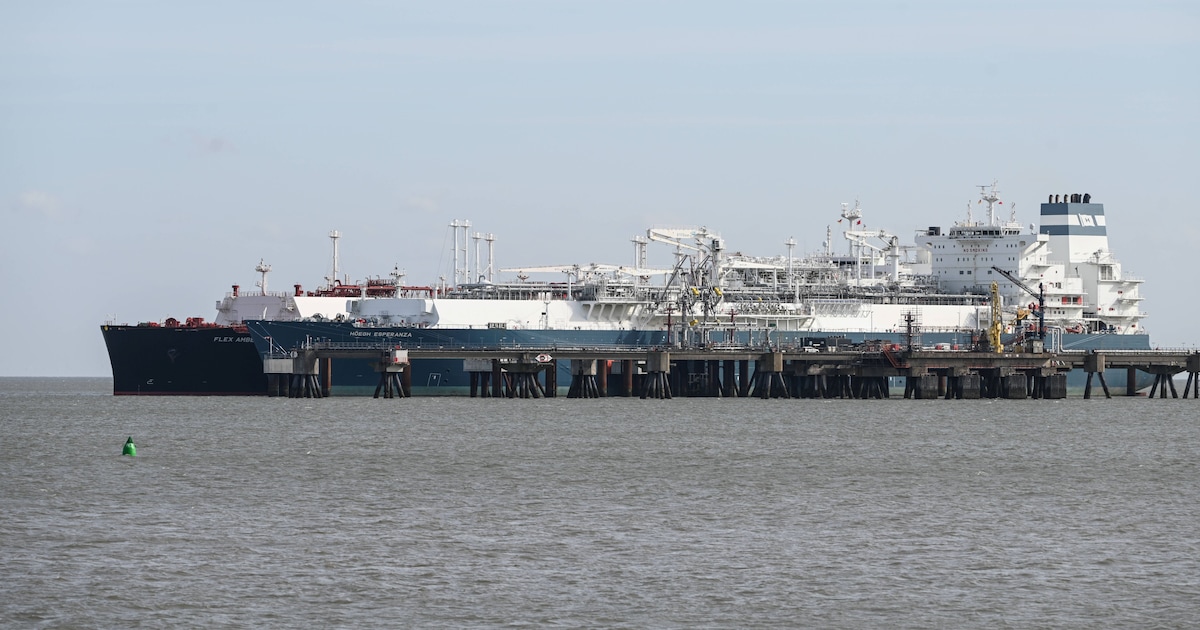
The last LNG tankers from the Gulf region will soon arrive at their destination ports. After that, there is a risk of bottlenecks. This way, consumers can protect their heating costs.
These ships are expected to reach their destination ports within the next eight days and unload the transported liquefied natural gas (LNG). The effects of the blockade have not yet been felt in full force, but only afterwards. Asia in particular will notice the export bottlenecks clearly afterwards. According to the Financial Times, which cites an analysis by the shipping company Affinity, six LNG tankers are still on their way to Europe. One is heading to Asia. For households in Germany this means: gas could become significantly more expensive again next winter. Especially for new customers.
The most important thing in brief:
- The blockade of the Strait of Hormuz is slowing LNG deliveries from the Persian Gulf.
- Asia is competing more closely with Europe for scarce gas cargoes.
- This can make filling the gas storage more expensive – and your heating costs later.
- If you compare gas prices now and take out a tariff with a price guarantee, you can save money.
Asian countries are already frantically either buying up the spot market or ramping up alternative energy sources. Germany and Europe are not as badly affected, but will have their own problems with a view to the coming winter.
No more LNG from the Gulf – this is how the blockade hits Germany
There are two reasons for this. First, Germany has already purchased more gas from Norway and the United States. Secondly, spring has begun and consumers are heating less. Gas demand is falling.
Fill level requirements are an obstacle – gas is becoming more expensive
The second problem is this Filling the gas storage facilities for winter 2026/2027. It is usually the case that retailers take advantage of the cheap gas prices in the summer to buy heavily. There would therefore always be enough gas in Europe’s storage facilities in winter. This no longer works due to the fill level specifications.
“The government filling level specifications for natural gas storage facilities have proven to be a sensible and effective measure in 2022,” says a spokeswoman for the energy company Securing Energy for Europe (SEFE) to FOCUS online. Sefe-Storage acts as a storage operator in Germany. It oversees filling and can block capacity if necessary. But: “Under the current market conditions, there is a risk that they will lead to market distortions and only fulfill their original purpose to a limited extent.”
Because of these European requirements, retailers are expecting higher demand. This now meets the supply that has become scarcer due to the Iran war. “The significant increase in natural gas prices could make filling natural gas storage significantly more expensive,” says Sefe. This in turn would increase heating and electricity costs for consumers.
Check your gas contract – this is how consumers are reacting to the crisis
Consumers can still save money. How to do it:
- Check the current contract.
- See whether a price guarantee applies over the next heating season.
- Check whether a connection contract is possible with the current provider.
- Make a comparison and pay attention to the term and price guarantee for any new contract.
- Be quick – the crisis could soon make prices even more expensive.
“The prices for new customers are currently still at the same level as last year,” advises Thorsten Storck, energy expert at the comparison portal Verivox. However, providers are starting to factor in the higher prices on the gas exchanges.
As of March 23, prices for TTF gas front contracts on the wholesale exchange are around 62 euros per megawatt hour. This is the highest level since the end of the energy crisis in 2022/2023.
Heating costs are up to 50 percent higher
So in the short term it will only be more expensive. If this wholesale price remains at this level for too long, heating costs could become up to 50 percent more expensive, warns Verivox. A household in a single-family home that uses 20,000 kilowatt hours per year pays an average of 1,988 euros per year for gas. That would be additional costs of around 1000 euros.
“Existing customers do not have to fear any gas price increases for the time being,” Storck gives the all-clear. However, the Iran war is causing a drastic increase in new customer prices.