whizzy1919@gmail.com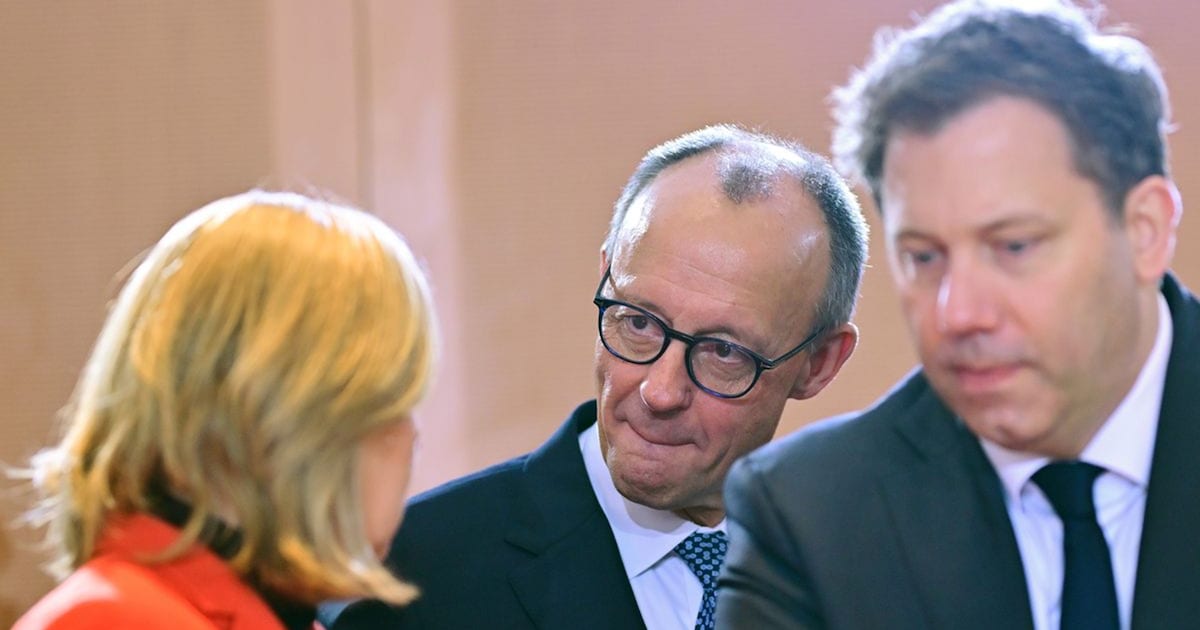
Misappropriation of the special fund: That is the accusation against Merz and Klingbeil. They promised citizens completely different things, as our overview shows.
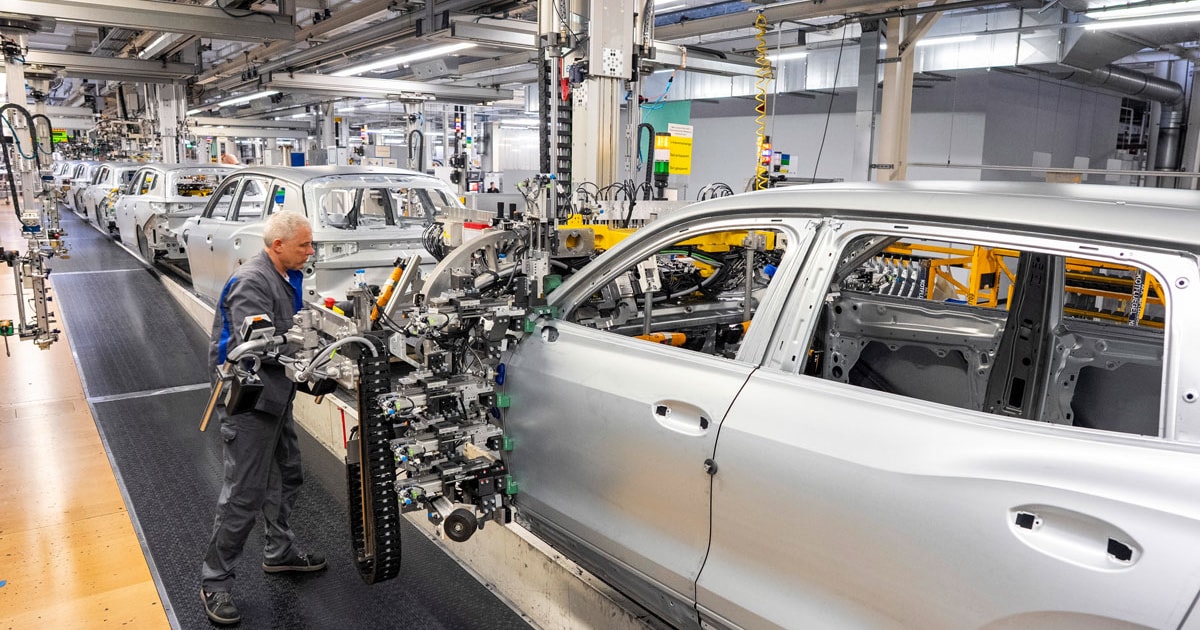
The leaders of the Union and SPD praised the measure as a historic feat of strength, while critics warned of unprecedented over-indebtedness: Under the unwieldy term “Special Fund for Infrastructure and Climate Neutrality (SVIK)”, exactly a year ago, on March 18, 2025, the Bundestag decided on a debt package with the promise to finally systematically modernize Germany’s crumbling bridges, overloaded rails, slow networks, only limited defense capability and dilapidated public buildings.
When the special fund was passed, the promises were great
Friedrich Merz, then Federal Chancellor-designate, quoted himself in parliament before the vote on March 13th with a speech he had given in November 2024:
“Is the result that we spend even more money on consumption and social policy? Then the answer is: No. Is it important for investments, is it important for the livelihood of our children? Then the answer can be different.”
And with a view to the upcoming decision on the special fund, the CDU politician added:
“What we are proposing to you here today is exactly that other answer.”
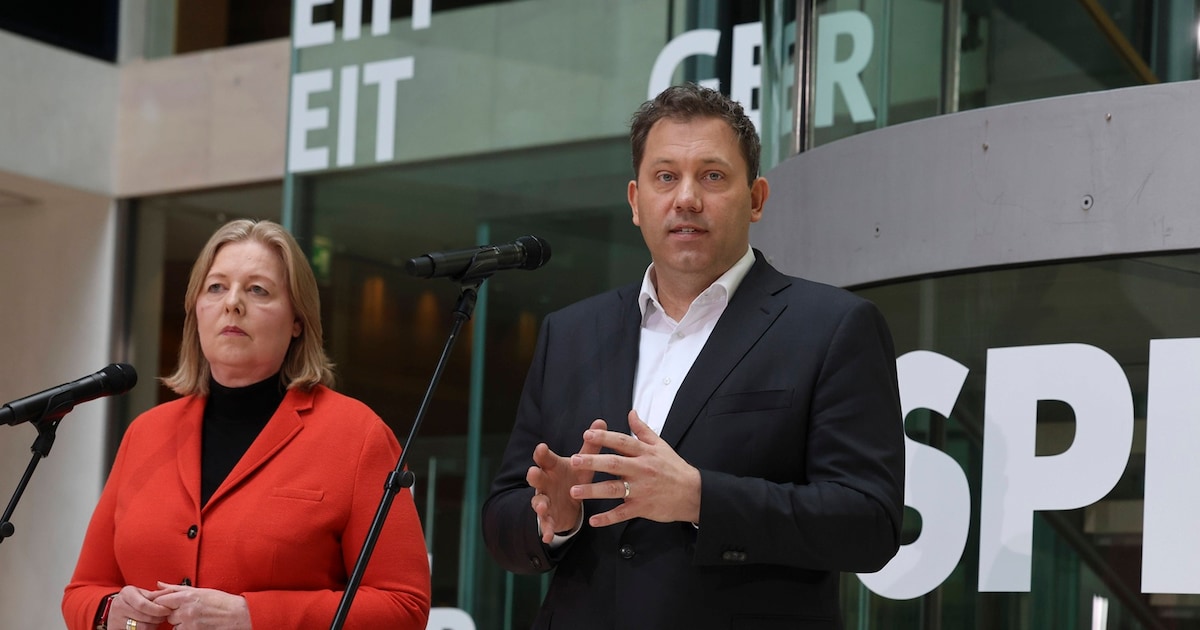
Lars Klingbeil (SPD), the future Federal Finance Minister and Vice Chancellor, formulated a very similar promise at the same meeting:
“It’s about us triggering an investment booster in this country and ensuring that much more investment is initiated. There is now a package on the table that will invest massively in our security, ensure massive support for Ukraine, and ensure investments in climate protection and economic growth in our country.”
Merz, now Chancellor, followed up on May 14, 2025 by:
in his first government statement explicitly made new debt dependent on an investment condition:
“They can therefore only be justified if we use this money to permanently and sustainably increase the value of our infrastructure and improve the performance of our country as a whole. Then it can be justified, but only then.”
,regionOfInterest=(826,652)&hash=a52e800d89ada8940b39556c62ceeeeab46959e736c5bbda48bb16c047871036)
Schools, rails, roads: that’s what the money was originally for
The Chancellor listed very specific projects:
“That’s why we invest in infrastructure, in good roads and punctual trains. That’s why we invest in good schools and research institutions, in lifelong learning and vocational education and training… We invest in a modern state and digital administration.”
Klingbeil has also followed up several times. In June 2025, now Federal Minister of Finance, he assured:
“With the federal budget and the 500 billion investment package, we are launching what we need now to ensure new economic strength, to make our country modern and future-proof and to continue to live safely in Germany in the future. (…) We are thus enabling an urgently needed boost to modernization for our country: for good schools, daycare centers and hospitals, for modern railway lines, bridges and roads, for climate protection and digitalization. We will also invest massively in internal and external security.”
Because the political core of the special fund was never just: more money. The core was: more money in addition to the normal budget. If this “additional” is not correct, then not only a calculation method is in question, but also a central political promise.
Ifo Institute: Funds were “almost completely” misused
The ifo Institute formulates the accusation as harshly as possible. According to the Munich economists, the federal government increased borrowing within the framework of the special fund by 24.3 billion euros last year, but the federal government’s actual investments were only 1.3 billion euros above the 2024 level. The difference of around 23 billion euros did not flow into additional infrastructure investments.
Budget items have been relocated from the core budget to the loan-financed special fund, particularly in the transport sector. Ifo President Clemens Fuest says the funds were used “almost entirely” to plug budget holes.
,regionOfInterest=(831,445)&hash=95bef5ae5983452f604b5a926afe8132376073c13f249987aab76f64814de5db)
The federal government is against this
The federal government is resisting this. Jens Südekum, one of the most influential economists close to Finance Minister Klingbeil, firmly rejects the accusation of mass misappropriation – and starts exactly where the ifo calculation is particularly vulnerable: the time factor. Südekum, an economist with the SPD party ticket, wrote in the Handelsblatt on March 19th:
“The problem with this bill is that it ignores some realities.”
His argument: sizes were being compared that would not have been clearly comparable in 2025. The special fund’s economic plan only came into force in October 2025 – formally retroactive to January 1st, but in practice only at a point in time when three quarters of the financial year had already passed.
Südekum: Money couldn’t be spent yet
Jens Südekum continues:
“It is therefore not surprising that the outflow of funds is only starting slowly. In 2025, fewer funds flowed out of the SVIK than should have been according to the budget.”
Behind this objection lies a fundamental mechanism of state investment policy: an approved budget alone does not build a bridge. Between the decision and the actual outflow of funds there are planning, approvals and tenders – processes that take months, often years. Anyone who expects that the full amount of funds will be used immediately in the first year of a new fund is, according to Südekum’s reading, using the wrong yardstick.
Klingbeil’s chief advisor Südekum argues, citing the ifo study:
“The Ifo Institute itself basically recognizes that it is merely describing a temporary start-up problem. The (dubiously named) ‘misappropriation rate’ is already falling from 95 percent to 32 percent in the current year and to 28 percent in the coming year.”
Merz and Klingbeil gave a different impression
However, this delay for budgetary reasons is only now being discussed. The coalition leaders repeatedly gave the impression that special investments in infrastructure had started immediately. This is what Chancellor Merz said on October 6, 2025:
“Our country must now feel that things are getting better, that the long-known problems are really being addressed.”
On February 28, 2026, Finance Minister Klingbeil also sounded as if Germany’s renewal was already underway:
“We are now investing more heavily than ever before in the strength and future viability of our country. With our investments we are ensuring that children get a good education. We are enabling the railway to be renovated and people to get to work on time. We are investing in digitalization, health, climate protection and modern infrastructure in all areas of our country.”
Nevertheless, the Federal Ministry of Finance does not see any violation of the rules. The special fund is only considered “additional” if the core budget continues to maintain an investment quota of at least 10 percent – and this was met in 2025 as well as in the 2026 budget and in the financial planning until 2029.