whizzy1919@gmail.com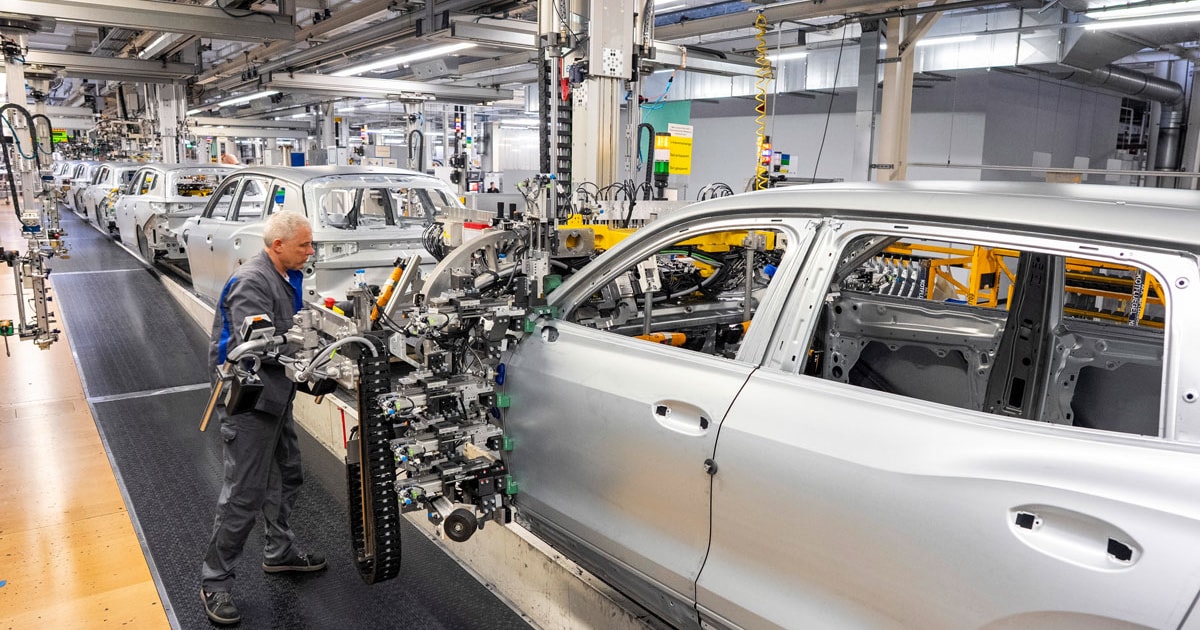
According to a study by the Vienna-based Supply Chain Intelligence Institute Austria, the European automotive industry could face shortages of semiconductors and battery cells if the Iran conflict drags on for more than two months.
The war is exacerbating risks for global industries already struggling with rising energy costs. The automotive industry in particular is considered vulnerable, with the study warning of “disproportionately severe consequences” if disruptions persist, reports Automotive News. Study author and institute director Peter Klimek emphasized the temporal dimension of the crisis to the industry portal: “If the conflict lasts two months or longer, it becomes critical.” Risks include price shocks in energy, transport and raw materials, as well as possible shortages of chips for all cars and battery cells for electric vehicles.
A central factor is the de facto blockage of the Strait of Hormuz, through which around 20 percent of the world’s oil and liquid gas transport passes. Since hostilities began, oil and gas prices have risen significantly. Klimek warns: “A prolonged blockade would not only affect the energy markets, but also put numerous global supply chains under pressure.”
Strait of Hormuz is not only important for oil and gas
For automobile manufacturers, who are already suffering from rising costs for energy and container logistics, the supply of semiconductors and battery cells is increasingly becoming a focus. The dependence on noble gases, which are necessary for chip production, is particularly critical. A significant proportion comes from the affected region, including around a third of the world’s helium from Qatar.
New price explosion for new cars is conceivable
The high demand for memory chips as a result of the boom in artificial intelligence is creating additional pressure. Production losses due to raw material shortages could trigger supply problems similar to those during the pandemic. In the event of a chip shortage, the auto industry would be particularly affected as other sectors such as medical applications would be given priority. The delivery bottlenecks could also lead to rising new car prices, as has already happened was the case during several small semiconductor crises a few years ago.
After two months of war, things become critical
The duration of the conflict remains crucial. To date, automobile manufacturers and suppliers have held back from carrying out detailed impact assessments. Basically, the study shows structural weaknesses in the supply chains. Despite previous crises such as the pandemic, there are hardly any signs of greater resilience for strategically important products – on the contrary, cost pressure has actually exacerbated the situation.
According to the study, Asian economies are particularly exposed to trade flows from the region. Countries such as Iran, the United Arab Emirates, Bahrain, Qatar and Kuwait export goods and raw materials worth around 1.2 trillion US dollars annually, of which around 800 billion are in the oil and gas sector. The largest buyer is China, followed by India, Japan and South Korea. The European Union imports goods worth 47 billion US dollars, of which Germany accounts for around 5.7 billion.
Sign up for the car newsletter here!
Don’t want to miss any articles from our car experts? Then register now for the FOCUS car newsletter online.