whizzy1919@gmail.com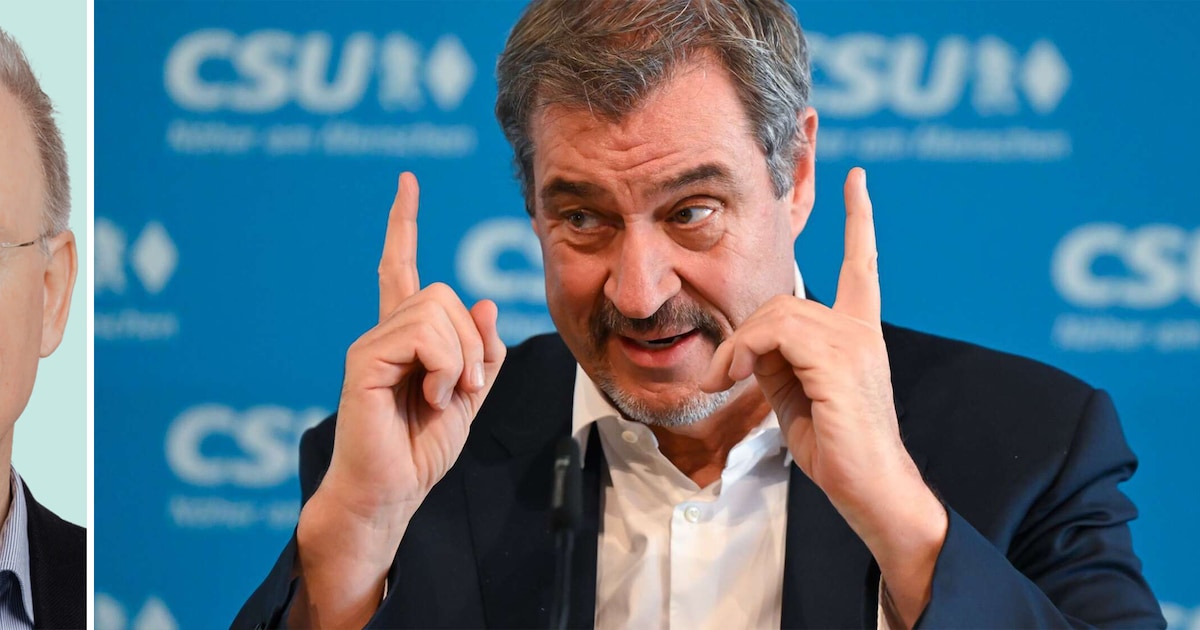
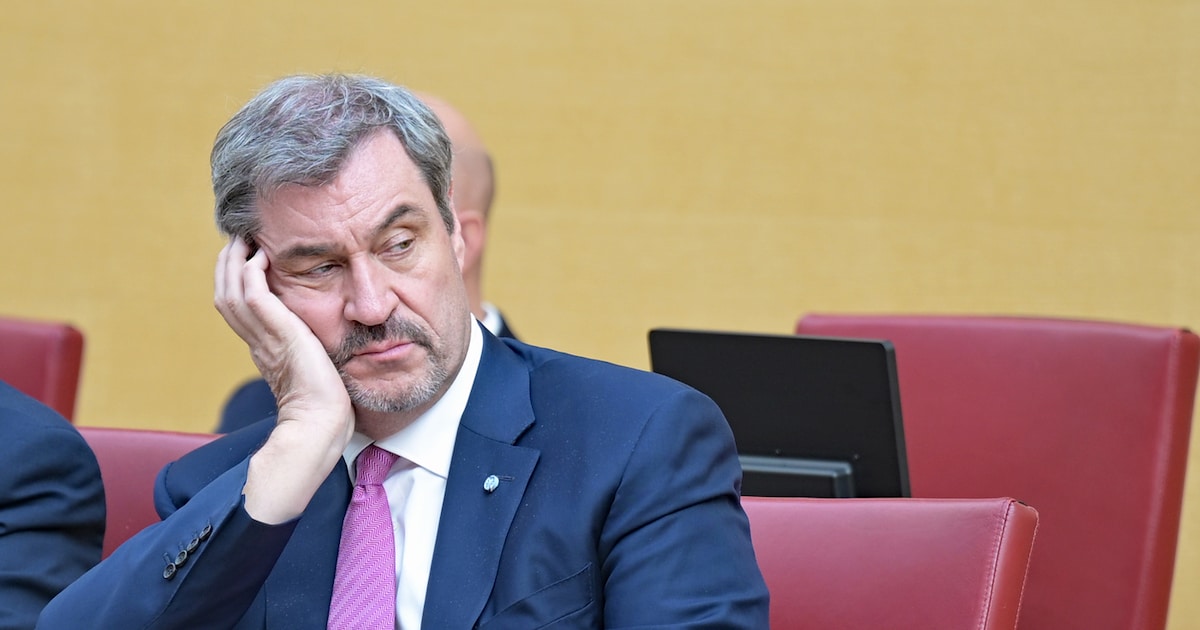
Coalition clash inevitable: Markus Söder rejects the SPD’s tax plans, which also meet with approval in parts of the CDU. This makes the CSU boss an advocate for medium-sized companies, says FOCUS online chief correspondent Ulrich Reitz in his video commentary.
Markus Söder: “Savior from the SPD’s tax greed”
FOCUS online chief correspondent Ulrich Reitz describes Söder’s role in his video column as follows: “Markus Söder becomes the savior of the higher earners from the SPD’s greed for taxes.”
The decisive factor is the question of power within the coalition. Because, as Reitz makes clear, Söder, as CSU chairman, has the right to veto, even if he is not sitting at the cabinet table.
Taxes: Why medium-sized businesses would be particularly affected
The SPD’s plans would primarily affect medium-sized businesses – and thus the backbone of the German economy. Many companies do not pay corporate tax, but rather income tax. An increase in the top tax rate would directly affect them.
Reitz warns of the consequences: “If you now raise taxes on the strongest part of Germany, namely the middle class, then you will stifle the economy even more.”
Higher earners bear the brunt
Higher-earning employees are also increasingly being targeted. Reitz sees a structural problem here: “This is a bad finding, but it is true: the higher-earning employees no longer have a lobby.
They finance a large part of the state; according to Reitz, the top ten percent of taxpayers bear at least half of the tax revenue.
It is quite possible that in the end there will be no income tax reform at all if the three parties cannot come to an agreement.