whizzy1919@gmail.com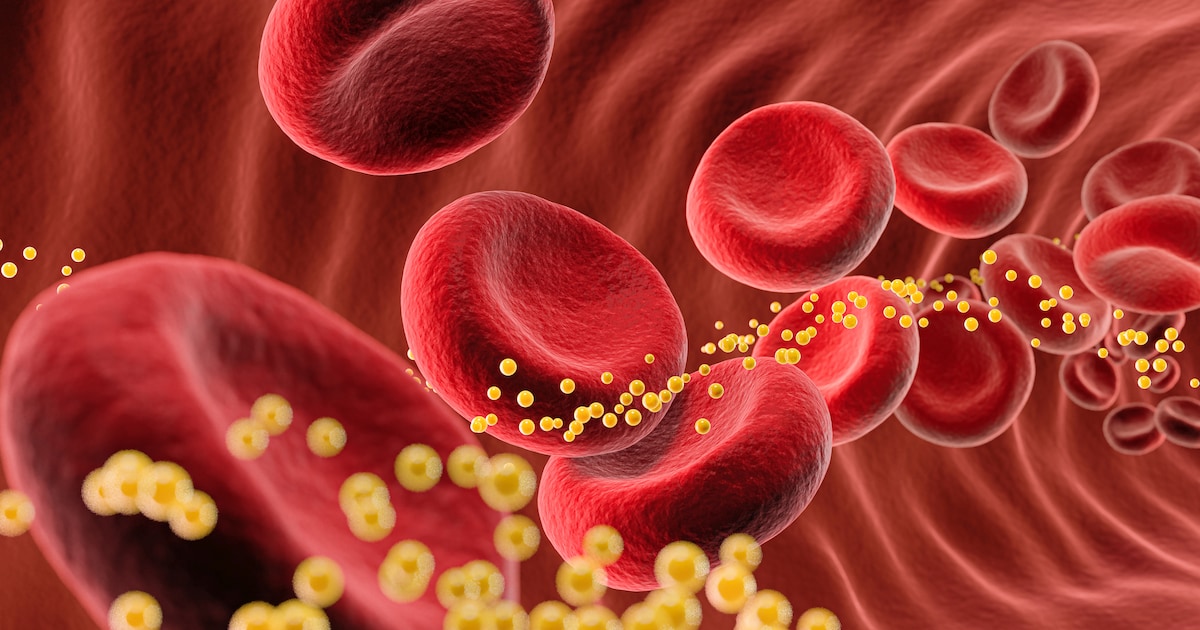
Do you know your Lp(a) value? No? Then you’re like most Germans. It is an important factor in assessing your risk of a heart attack or stroke. Everyone should have it measured once in their life.
- In the video: The “Simple Seven” protect your heart – and even keep your brain fit
Only around 0.1 percent of all adults have ever had their Lp(a) value measured. A high value is associated with an increased risk of cardiovascular disease – i.e Heart attack, stroke or cardiac arrhythmia.
“This is particularly true for younger women and men, even if there are no classic risk factors,” says cardiologist Heribert Schunkert in a recent report notice the Heart Foundation. “That’s why, in accordance with the guidelines, we recommend checking the Lp(a) value in the blood once in your life.”
Lp(a): A single measurement is sufficient
About 20 percent of the population has elevated Lp(a) levels. Knowing your Lp(a) value is therefore useful for all adults. Especially for those who already have an increased risk of cardiovascular disease for other reasons, such as: Pre-existing cardiovascular disease or family history. But most of these risk patients have never had their Lp(a) value measured – less than four percent.
A single measurement would be sufficient. The Lp(a) value is mainly genetically determined and remains relatively constant throughout life. It can be increased regardless of how healthily a person eats or how active they are.
What is Lp(a)?
Lp(a) is the short form of lipoprotein(a). It is a structure made up of proteins, i.e. proteins, and lipids, i.e. fat-soluble substances.
- Its structure is similar to LDL cholesterol. This is often referred to as “bad” cholesterol because it builds up in the blood vessels.
- Another protein is also bound to Lp(a), which can lead to chronic inflammation in the vessels.
- The protein also contributes to the formation of blood clots.
Due to these properties, Lp(a) increases the risk of cardiovascular diseases such as heart attack and stroke as well as narrowing of the heart valves.
How is the Lp(a) value measured?
The Lp(a) value can be determined using a blood test. Your family doctor can take your blood and send it to a laboratory. For people who are already suspected of having cardiovascular disease, health insurance companies usually cover the costs. For everyone else, the test costs around 20 euros, depending on the laboratory.
How to interpret the results:
- With a value less than 30 mg/dl are within the normal range.
- An increased risk lies with an Lp(a) value between 30-50 mg/dl or 75-125 nmol/l.
- With an Lp(a) value of 50 mg/dl or more you have a significantly increased risk of a heart attack or stroke.
The German Heart Foundation recommends that every adult should have their Lp(a) value determined once. According to the foundation, particularly in people who suffer a heart attack or stroke before the age of 40, there is often an increased Lp(a) value behind it.
Which checks make sense?
Also Ulf Landmesser, Head of the Cardiology Clinic at the Berlin Charité advises men and women aged 40 and over to have the following checks, especially if there are already known cases of heart attacks or strokes in the family:
- Lp(a) value: Ideal value below 30 mg/dl
- LDL cholesterol: Ideal value below 100 mg/dl, if coronary artery disease is already present, below 55 mg/dl
- Blood pressure: Ideal value below 140 (systolic) and below 90 (diastolic)
- Blood sugar level: Fasting blood sugar ideally below 100 mg/dl (5.6 mmol/l). Fasting values between 100 and 125 mg/dl indicate prediabetes, a precursor to diabetes.
What to do if your Lp(a) value is increased?
There is currently no effective medication against high Lp(a) values. Patients are often treated with statins, which do not reduce Lp(a), but do reduce elevated cholesterol levels.
Although the Lp(a) value cannot be influenced by a healthy lifestyle, it still makes sense for those affected following measures to reduce your risk of high blood pressure, diabetes and other diseases that can lead to a heart attack or stroke:
- Stop smoking.
- Eat healthy.
- Be physically active.
- Lose weight if you are overweight.
For people with a high Lp(a) concentration and rapidly progressing artery disease, blood washing may also be an option. In so-called lipoprotein apheresis, Lp(a) and LDL cholesterol are filtered out of the blood within 1.5 to three hours. The procedure is carried out every week or every two weeks.