whizzy1919@gmail.com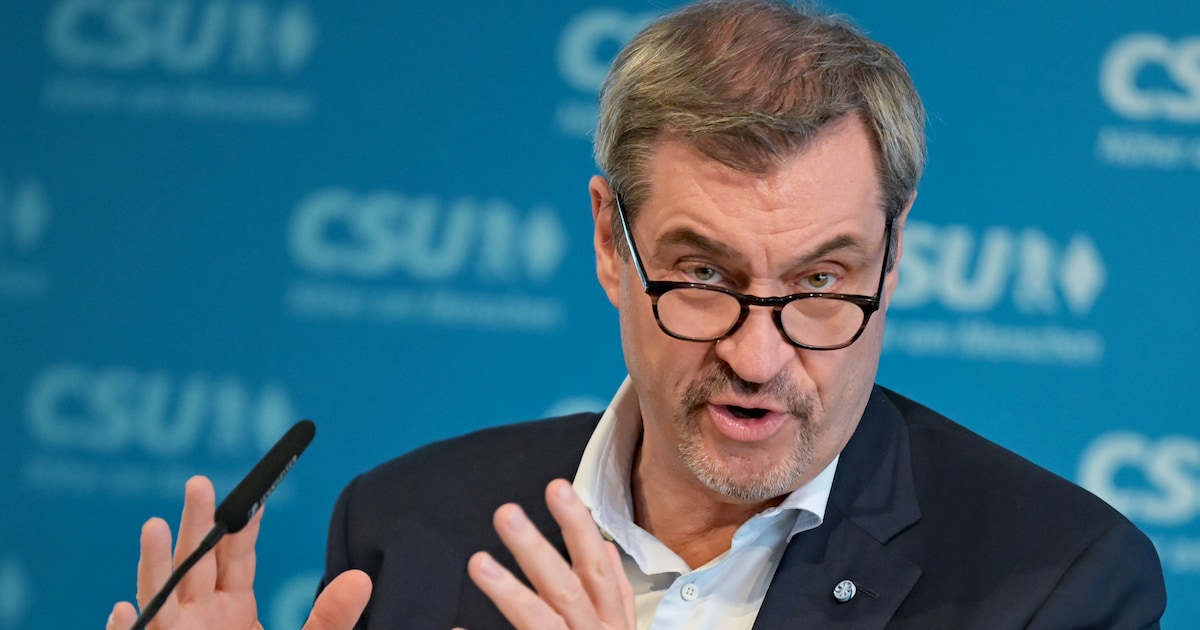
The state elections in Rhineland-Palatinate are over, there is still time until the elections in the east: the time seems good for reforms. Bavaria’s Prime Minister Markus Söder cannot move quickly enough. The plan: save and high-tech.
For this to work, decisive reforms are now needed, even in the face of resistance. “Now everyone has to get out of their ideological ivory towers. There are no more excuses,” says Söder. To achieve this, the coalition leaders should draw up a comprehensive reform package, an “Agenda 2010 Reloaded” for energy prices, flexible working hours, high-tech and reductions in bureaucracy. The “mother of all questions” is competitiveness, says Söder.
Markus Söder: Economic growth and tax cuts
Specifically, Söder wants to abolish the solidarity contribution, reduce taxes for inheritances, companies and electricity and end all debates about a higher top tax rate. “Our principle must be: taxes down, not up,” said Söder.
The money for the relief should come primarily from new growth – but Söder is also demanding savings from the state. “We have to address excessive social laws, such as youth welfare or integration assistance,” said Söder. Also social abuse or the subsidies for green steel are a grave of billions for the state. “In principle, there is no point in throwing fresh money at old industries,” says Söder.
Pension: Söder wants extra work
Instead, according to Söder, the state should invest in technology: “We need an increase in AI, robotics, medicine, aerospace and defense as well as the automotive industry.” This is the only way to keep up with the Americans and Chinese. Söder also wants to approach energy supply with the same technological optimism: In the future, Germany should first rely on small nuclear power plants and then on nuclear fusion – and according to his ideas, they should of course be developed in Bavaria.
The social systems would also be affected by his reform plans. But here you have to proceed with a sense of proportion. Based on this, Söder calls for the pension gap to be combated through additional work – just one hour more per week would cause the economy to grow by three percent. However, Söder speaks out against increasing the retirement age.
,regionOfInterest=(586,395)&hash=34a65600a3c7a87a2792b5c3ae1903a3913ec2151e48e5ca6da1aaf299c800c9)
Success of politics? growth
Söder is optimistic about the chances of his proposals: “If only half of them work, the country will make a huge leap forward. If everything works, the future will be secured in the long term.” In the end, you have to measure your proposals against economic growth.
The coalition has set up reform commissions on health and pensions. The first is due to present its results this month, the Pension Commission in June. The issue of tax reform is also on the coalition’s agenda.
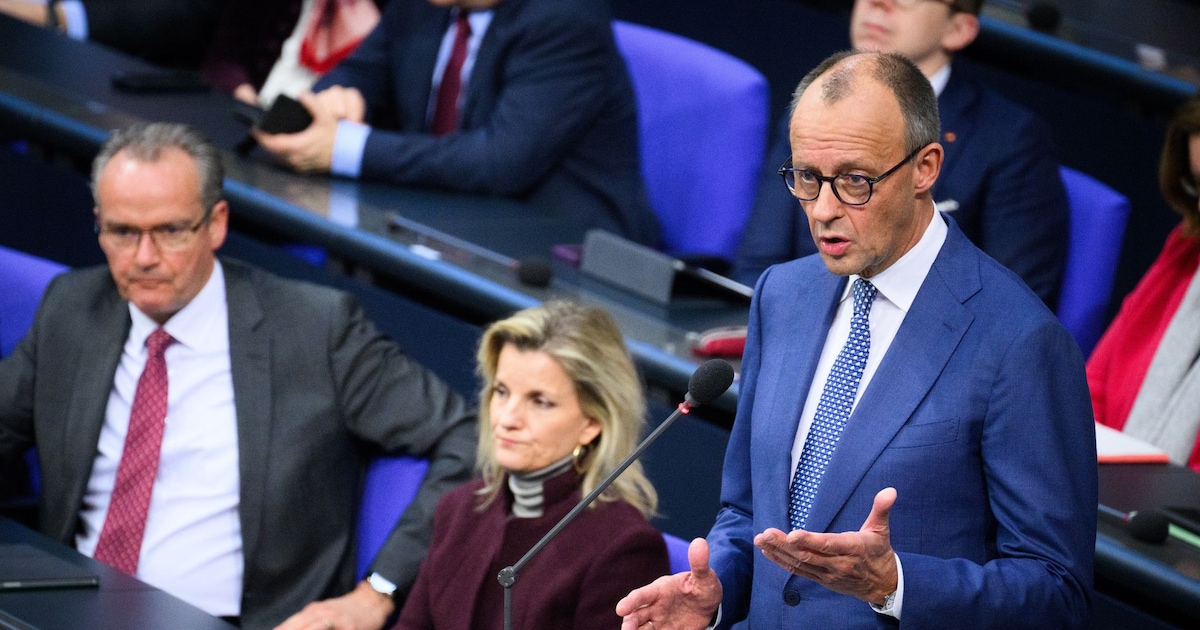
The SPD wants to set its course for the upcoming social reforms on Friday at a large meeting of key federal, state and local politicians. Meanwhile, Chancellor Friedrich Merz (CDU) made it clear that he did not want to rush anything. “We’re not making quick decisions here,” he said. “We are in a working rhythm and we will continue it.” He expressly did not adopt the term “spring of reforms”. Söder, on the other hand, called the period up to Pentecost at the end of May the “crunch time”, i.e. the decisive phase.