whizzy1919@gmail.com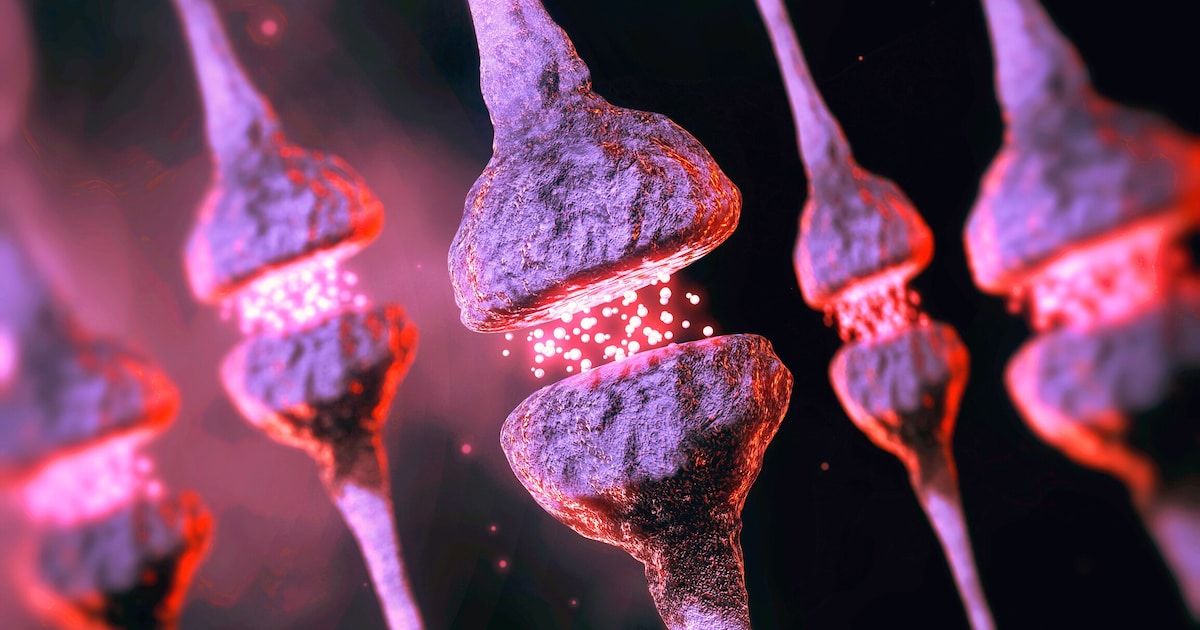
When hearing loss occurs with age, many people don’t take it seriously. But a doctor warns that this is the most important risk factor for dementia, especially for people over 45. Everything you need to know about it.
“Hearing loss is the most important risk factor for Alzheimer’s disease in middle age. If it occurs in 45 to 65 year olds and is left untreated, the risk of one Alzheimer’s disease significantly increased with age.” With these words Linda Thienpont, head of science at the non-profit Alzheimer Research Initiative, addressed the public in a statement.
There is a particular problem if the hearing problems remain untreated. A new one study in the specialist journal with almost 2,800 adults shows: Hearing aids can reduce the risk of dementia by 33 percent, even in older adults. The effect on younger people should be significantly higher.
Most important Alzheimer’s risk factor in younger people
The doctor wants to draw attention to this underestimated risk factor, which is often not treated as such, especially by younger people. For example, because they shy away from going to the doctor out of vanity. With serious consequences. Because hearing loss damages our brain.
“People who have difficulty hearing process fewer acoustic stimuli. Many also react by withdrawing because they can no longer follow conversations as well or get tired quickly,” the doctor explains. The brain is then less challenged. And: mental performance decreases. “This increases the risk of developing Alzheimer’s,” warns Thienpont.
This is what happens with Alzheimer’s
According to the German Alzheimer Society, around 1.8 million people in Germany live with dementia, most of whom suffer from Alzheimer’s.
In the brains of Alzheimer’s patients, nerve cells and the transmission points between them are increasingly dying. Growing protein deposits between the neurons, the so-called amyloid plaques, are responsible. In addition, tau proteins bundle together inside the cell to form so-called neurofibrils. This “garbage” of the brain leads to the well-known symptoms of memory lapses and even the loss of all cognitive abilities and personality.
The Alzheimer’s Foundation offers further information to better understand the disease: www.alzheimer-forschung.de
Hearing gets worse after your mid-50s
Those affected often do not even notice the loss of hearing ability; it occurs gradually. But if the environment asks more and more often or the television has to be turned up louder, that is a warning signal.
“From your mid-50s onwards, your hearing can become worse due to age-related wear and tear,” says the doctor. She advises: “You shouldn’t take this lightly, but have your hearing examined regularly by a specialist.”
Your hearing suffers damage over the course of your life
- Noise,
- certain medications and
- Infections.
In most cases, however, these deficits could be caused by a hearing aid be balanced, says Thienpont. The health insurance company covers the costs up to a certain limit. However, if the hearing loss was caused by an illness, it would have to be treated. For example, in the case of circulatory and metabolic disorders or damage to the cervical spine.
In most cases, however, these deficits can be compensated for with a hearing aid, says Thienpont. The health insurance company covers the costs up to a certain limit. However, if the hearing loss was caused by an illness, it would have to be treated. For example, in the case of circulatory and metabolic disorders or damage to the cervical spine.
- Movement: What’s good for your heart is also good for your brain. This includes getting enough exercise – at least 2.5 hours per week is ideal.
- Mental fitness: Learn new things – even as you get older. This keeps your brain busy. Whether it’s a musical instrument, a language or using a computer, try something new.
- Healthy eating: Follow the classic Mediterranean diet. Eat lots of fruits and vegetables, olive oil and nuts. Choose fish over red meat.
- Social contacts: Activities are more fun as a couple or in a group and your gray cells are challenged. Arrange to meet up to do sports, play music, play cards or cook together.
- Reduce excess weight: Be careful not to weigh too many kilos. A healthy diet and regular exercise will help you with this.
- Sufficient sleep: Make sure you get good, sufficient sleep so that the brain can break down harmful substances and recover.
- Do not smoke: Smoking also damages your brain. Stop smoking, it’s never too late.
- Avoid head injuries: Take care of your head in everyday life and during sports and, for example, wear a helmet when riding a bike.
- Check high blood pressure: Have your blood pressure checked regularly. High blood pressure should definitely be treated.
- Check Diabetes: Keep an eye on your blood sugar levels. If it is permanently too high, you should take action in consultation with your doctor.
- Treat depression: Take good care of yourself. If you feel listless or depressed for a long period of time, it makes sense to see your doctor to clarify the cause. Depression should not go untreated.
These tips are from the brochure “ Prevent Alzheimer’s – live healthily, age healthily “, in which all points are explained in detail.
More harbingers of dementia
Dementia causes impairments that affect remembering, thinking, language and orientation, writes the portal “ Dementia-treating.de “Changes in social behavior and personality can also be symptoms.