whizzy1919@gmail.com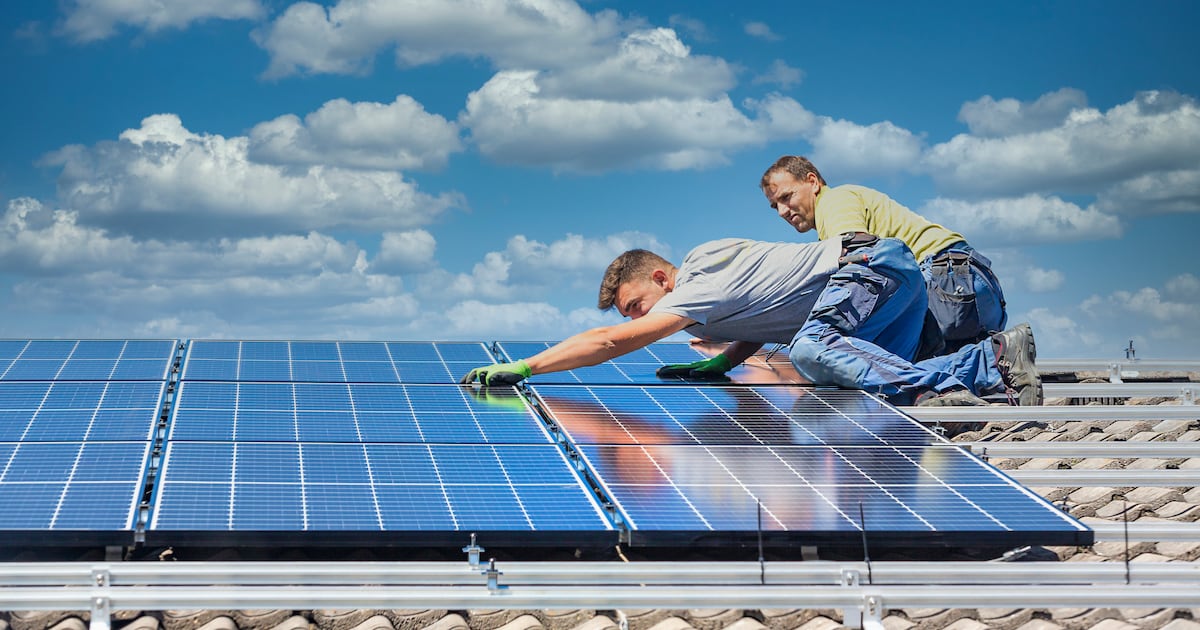
“We can’t keep up anymore”: Since the attacks on Iran began, several German companies in the solar and heat pump industry have reported a sharp increase in customer interest. Will the geopolitical uncertainties turbocharge the German energy transition?
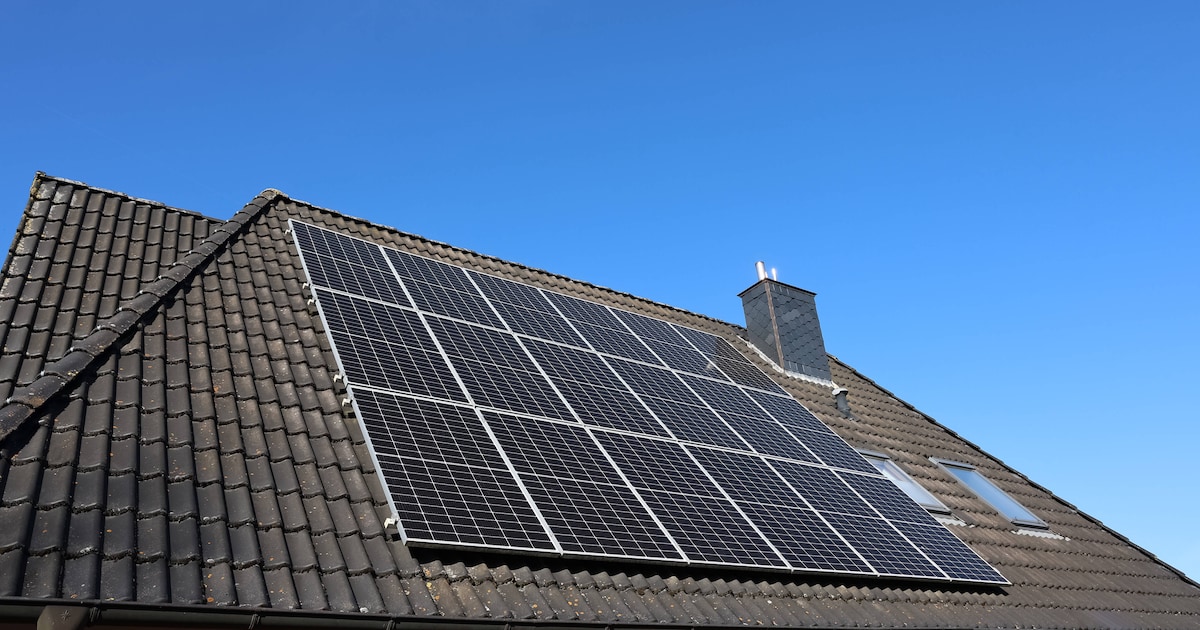
Actually, their weekends were always catastrophic, says Janik Nolden from the solar system portal Solarhandel24. There is usually not much business on Saturdays and Sundays, especially not in winter. However, something unusual happened last weekend, says Nolden: “It exploded on Saturday. We can hardly keep up and have to increase capacity.”
The number of calls to customer service has tripled and sales have doubled. “We have 100 people in logistics, we have 25 to 30 people in customer service,” says Nolden to FOCUS online Earth. But now it’s time again: increase. He even digs up rejected applications again in order to quickly find new employees.
Regardless of the world situation
The reason for the unexpected interest: The Israeli and US attacks on Iran started on Saturday, with a noticeable price shock for oil and gas in Germany too. And suddenly the Düsseldorf company says it can no longer save itself from customer inquiries.
Other German companies from the solar and heat pump industry are also reporting a sharp increase in customer interest. “Since the oil and gas price shock, we have experienced increasing demand, especially for heat pumps,” said the Berlin provider Enpal in response to a request from FOCUS online Earth. “The world situation is causing more and more people to want to become independent and free themselves from gas.”
“We are also seeing a strong increase,” says Christian Ofenheusle from the balcony solar provider Kleines Kraftwerk. “This is certainly due to the fear of an explosion in energy costs. However, there was also a change in the weather and the sun is of course advertising for us.”
“What’s going on in the world again”
A few suppliers of solar systems and heat pumps have not yet been able to report a sales boom when asked, and the industry association BSW-Solar does not want to speak of any major trend – at least for the time being. The explosion in energy prices caused by the Iran war “opens many people’s eyes,” says association spokesman Johann Sternberg to FOCUS online Earth.
The developments are fueling “the need of many households to become more independent when it comes to energy supplies and to reduce their dependence on expensive gas and oil imports,” continued Sternberg. The result is an at least temporarily growing demand for solar systems and storage systems. “This was seen at the beginning of the Ukraine war and could be repeated as a result of the Iran war.”
This corresponds to the experiences that solar dealer Nolden has had in the last few days. “Our customer service people say that they keep hearing from customers that they would like to get a PV system now because of what is going on in the world again,” says the Solarhandel24 boss. “I think people see parallels with the start of the Ukraine war in 2022.” The gas storage facilities emptied again and prices rose sharply again. “And of course that scares people.”
The “heating law” in a new light
Will this fear now act as an accelerator for the German energy and heating transition? There is also increasing political pressure to reconsider some of the decisions of the last few weeks. Among other things, the coalition of the Union and the SPD is planning an end to feed-in subsidies for solar systems and a greater role for oil and gas heating in the new “Heating Act” – both seem to more and more critics to be spectacularly bad timing.
According to FOCUS online information SPD politicians want to reopen the heating package in some places. The argument: The Iran war shows how dangerous it is to become dependent on fossil fuels. There are also “significant reservations” in the SPD parliamentary group about the solar plans from the Ministry of Economic Affairs, said Nina Scheer, energy policy spokeswoman for the parliamentary group, on Thursday in a debate in the Bundestag. The planned network packagewhich would impose additional costs on new solar, wind and battery projects, is also causing discontent in the group.
“…then we’ll have a problem”
The geopolitical developments of the last few days are therefore confronted with domestic political considerations. And when it comes to geopolitics, it is far from clear whether it will really benefit renewable energies. The war in the region, including the closure of the Strait of Hormuz, which is important for shipping logistics, could lead to rising inflation and economic crisis. Then companies and private individuals would have less money to invest in green energy.
And when it comes to components for solar systems and batteries, Germany is also somewhat dependent on China. These components are often delivered by ship via the Strait of Hormuz. “I’m not worried yet, the warehouses are well filled,” says a representative of the solar industry to FOCUS online Earth. “But if the war lasts until the summer, then we’ll have a problem.”
FOCUS online Earth is dedicated to the climate crisis and how to overcome it.
Fact-centered. Well-founded. Constructive. Every Friday as a newsletter.