whizzy1919@gmail.com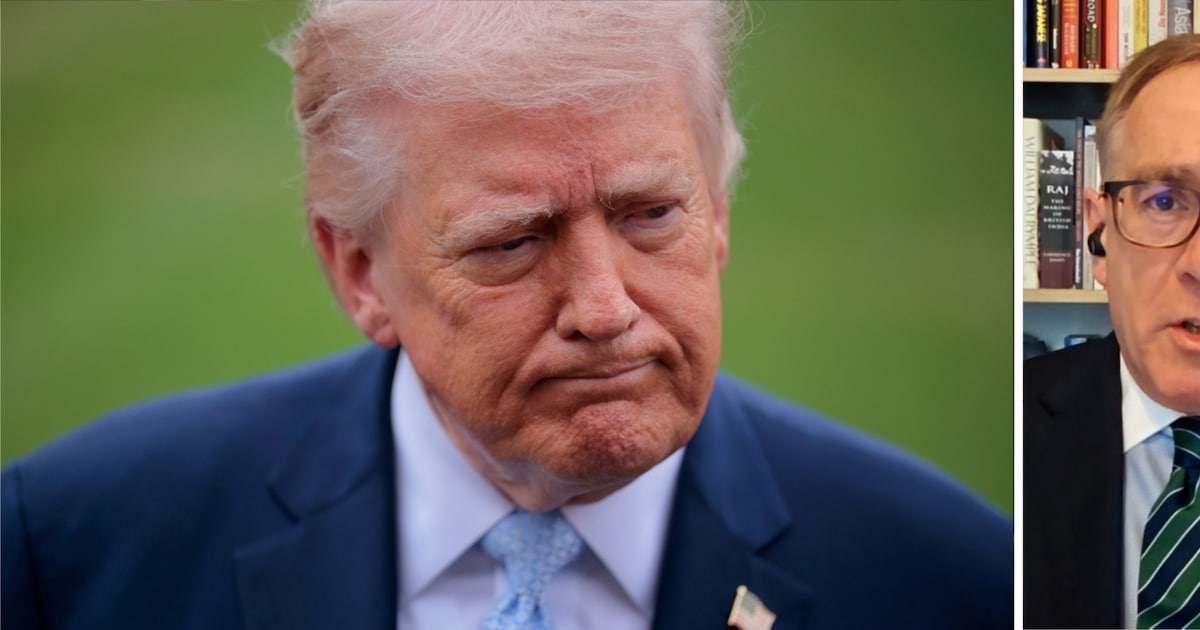
In the Iran war, US President Donald Trump is aiming for maximum escalation: He is calling on Tehran to open the strategically important Strait of Hormuz within 48 hours. Otherwise, the USA threatens further attacks on Iranian energy facilities.
The Geopolitics expert Klemens Fischer sees in the ultimatum above all, a means of domestic political and military pressure. The war dragged on longer than expected and costs exploded. The effort is now consuming around a billion dollars a day, while support in the US Congress is crumbling. For Trump Time is increasingly becoming a risk.
“If the ultimatum expires and nothing happens, then America will be embarrassed to the bone,” explains Fischer in an interview with FOCUS online. This is exactly where the real predicament lies: Not him Iran must deliver, but the USA. If there is no reaction, Washington will lose massive credibility.
In the end, it’s the civilian population who gets hit
But military intervention also carries considerable risks. According to Fischer, Trump’s threat means: “Then we will attack your energy facilities. We will more or less shoot you back into the dark.” However, attacks on energy infrastructure would not only affect military targets, but above all the civilian population. Electricity is “very, very democratic and non-discriminatory” – a failure would affect the entire country.
At the same time, it seems unlikely that Iran will give in to pressure in the short term. Tehran “actually has nothing to lose” and could strategically assume the role of victim. At the same time, there is a threat of counterattacks – including on critical infrastructure in the region.
Trump has to deliver, not Iran
Iran could hit not only military targets, but also vital facilities such as desalination plants. This would endanger the supply of drinking water and further escalate the conflict.
The bottom line is that the expert sees the USA in a self-created dilemma. “He (Trump) has to deliver, not Iran.” The ultimatum forces Washington to act – with an uncertain outcome and potentially dramatic consequences for the civilian population.