whizzy1919@gmail.com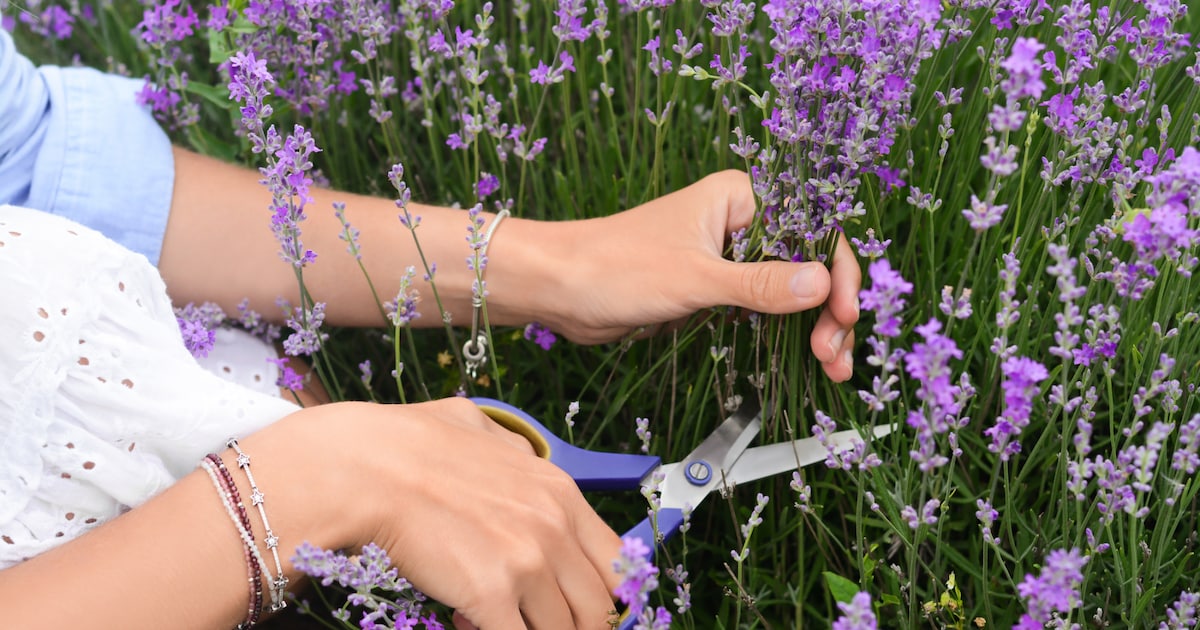
Pruning regularly keeps lavender healthy and ensures abundant flowers. Read here when and how you should do this.
Links marked with a symbol or underline are affiliate links. If a purchase is made through this, we will receive one
commission – at no additional cost to you! More info
Regular pruning ensures that the Lavender remains compact and there are no bald spots. This is particularly important for older bushes. The abundance of flowers also benefits from this, and a second bloom can often be expected at the end of the year. The plant also becomes more resistant to frost damage.
Lavender: What to do if you forget to prune?
If you missed pruning the lavender in the spring, there is no reason to worry. It is possible to catch up, ideally as part of the summer cut around the end of July to the beginning of August. The lavender is shortened by a third. This cut gives the plant enough strength for a possible second flowering.
If lavender is not pruned regularly, the bush will develop unevenly and become bare. The risk of the plant freezing to death increases, especially in winter. Regular pruning is therefore essential not only for the appearance but also for the health of the plant.
Common Lavender Pruning Mistakes and How to Avoid Them
- Wrong time: The first pruning should be done in February or March to shorten the previous year’s flowering shoots and encourage new growth. A second cut is advisable after flowering, i.e. around the end of July to mid-August.
- Cutting too strong or too weak: The right amount is crucial for healthy growth. In spring, a maximum of two thirds of last year’s shoots should be removed. When pruning in summer, however, it is enough to shorten the withered shoots by a third. Young, fresh shoots and green leaves should be left untouched.
- Unsuitable tools: To ensure a clean cut, it is important to use suitable garden or hedge trimmers. Knives or ordinary scissors are less recommended as they can damage the plant.
Practical tip for pruning lavender
About the Spring pruning To make it easier, the upper part of the plant can be tied with a string. This means the entire clump can be removed with a single cut. This method saves time and makes work much easier.