whizzy1919@gmail.com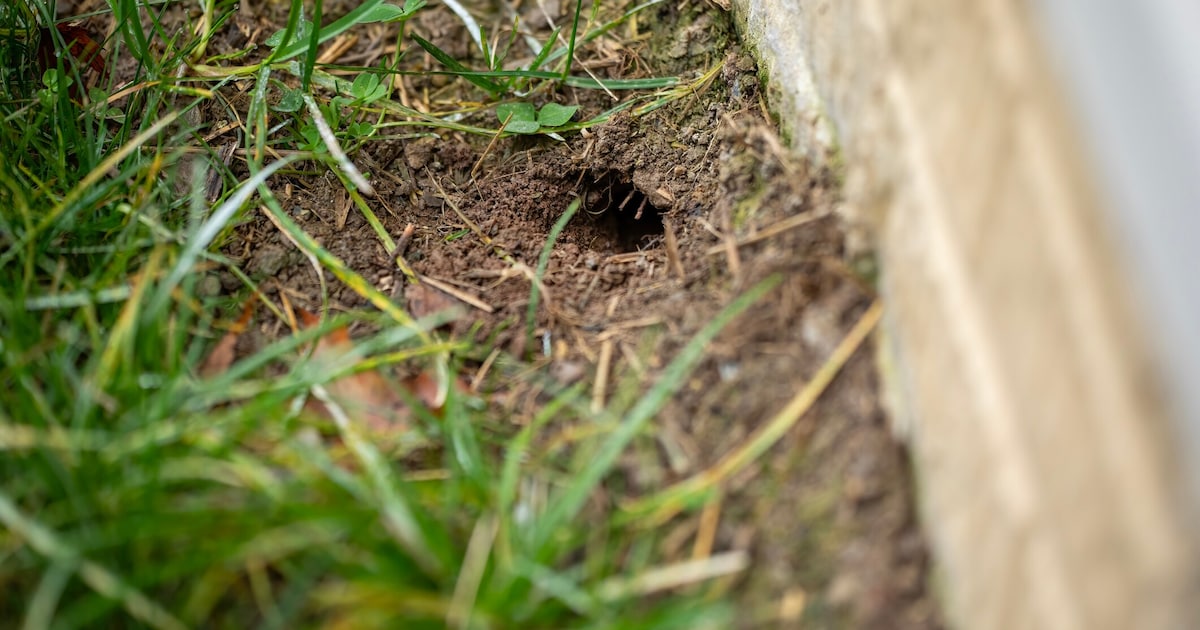
A garden can quickly be undermined by animals – but which animal is behind it? Read here how you can recognize uninvited guests in your garden.
Holes in the garden usually look unsightly – but you don’t always know which animal is causing them. These initial steps could help you uncover the culprit.
First, consider whether the holes have developed over a long period of time or whether they appeared suddenly.
If the holes appear very suddenly, this is usually an indication that it is an animal living in the ground or looking for food.
Other clues include the size, depth and frequency of the holes. So watch the holes as closely as possible and also pay attention to the surroundings. You may find piles of dirt or traces of feces.
Rats or mice? These holes in the grass are clues
If it is rats or mice digging holes in your garden, you can recognize this by the following characteristics.
How to identify rat holes
- Rat holes have a round opening. These have a diameter of around 8 to 20 centimeters.
- Rats like to dig holes in compost, under stone slabs or in tree stumps. The holes usually lead vertically into the ground.
- Next to the holes you can often spindle-shaped, shiny feces find.
To get rid of the rats, you should inform the public order office; Immediate measures can include pepper, chili or used cat litter.
Recognize mouse holes in the garden
- Shrews, voles and field mice also like to dig holes in gardens. These are around 2-5 centimeters in size. Depending on the type of mouse you can Pile of earth find next to the holes. These are rather small and flat.
- If you find mouse droppings, it will initially resemble rat droppings, but the droppings are much smaller than that of rats.
- Mice usually build smaller tunnels underground. Mostly there will be Roots of fruit or vegetable plants eaten away.
Some mouse species are protected; so be careful not to hurt the mice. You should also inform the public order office if you have a mouse infestation. As with rats, remedies against mice can be pepper, chili or used cat litter.
- If the animal inhabitants of your garden have disappeared, you could close the holes with a lawn repair product to unify the lawn.
Other animals also dig in the garden
If the holes in your garden are not rat or mouse holes, the following animals could also dig the holes.
Raccoon holes in the garden: How to get rid of the animals
Raccoons generally only dig up the ground to look for food. Accordingly, it is more of a superficial, disturbed depression than a hole. Scratches can often be found around the depression. Garbage cans and fallen fruit ensure that the raccoon stays longer. You should make this inaccessible to him.
How to recognize hedgehogs in the garden
Hedgehogs also dig smaller, approximately 2 centimeter large, depressions in the lawn to look for food. These are funnel-shaped. As a rule, hedgehogs do not stay in a garden for long periods of time. You can usually quickly fill up the holes again using lawn seed.
Earth wasps in the garden: call specialists
Earth wasps are also not uncommon garden visitors. They dig holes about one centimeter in diameter in the lawn. If you recognize earth wasps in your garden, you should leave the case to specialists. Some species are under animal protection, and without specialist knowledge they could be dangerous. Remember to seal the holes to prevent further infestation.
Is your cat the culprit?
If you can exclude all of the animals mentioned so far with certainty, it could be one of these animals:
- domestic cats are also known to dig holes in the ground. For example, they bury feces in these.
- Birds can cause holes in the ground about two centimeters in size, usually spread over a large area, on the lawn. The reason for this is usually the search for food. So you can get relief by: Bird feeder hanging.
- If you notice some very small, round holes in the lawn or bed, often perceived as spots, this may be a problem Mole cricket be the reason. This builds underground nests and eats roots in the bed. As a rule, the crickets do not need to be controlled.
- If there are several large holes in your garden, this can also be done with one fox have been caused. This hides either prey or food in the holes.
- Also Wild rabbit could have gotten lost in your garden. The holes that the rabbits dig are usually a little larger.
- Antlionsthe larvae of a species of dragonfly, also dig holes in sandy to earthy soil. These are small, funnel-shaped holes.