whizzy1919@gmail.com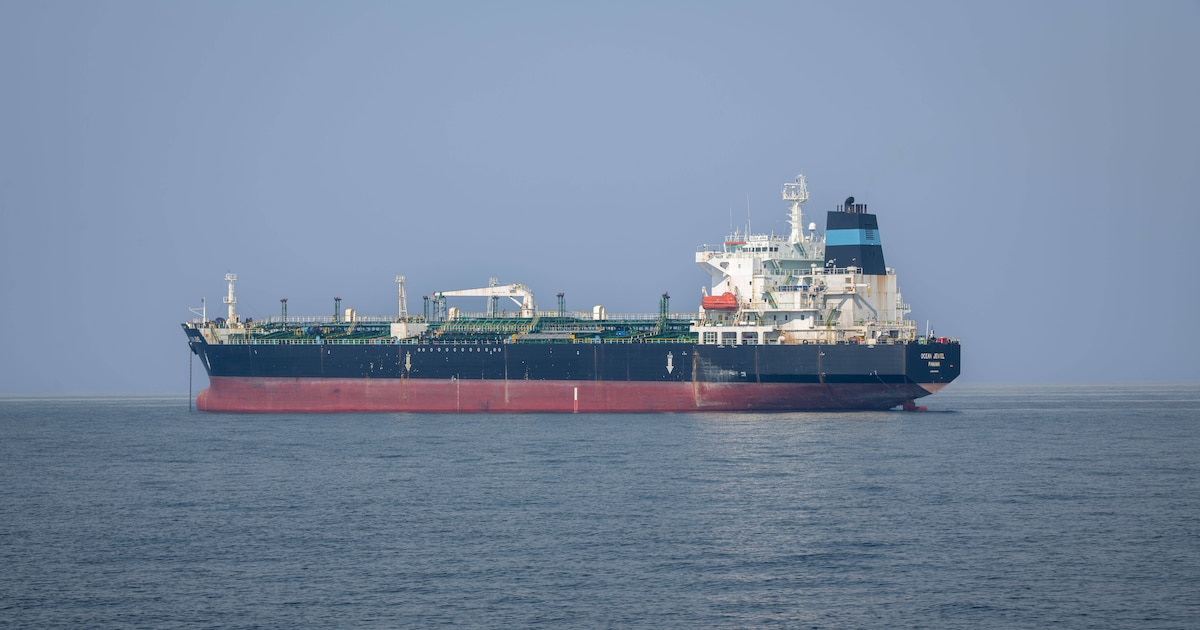
While other producers are blocked, Tehran is allowing its tankers to pass through the Strait of Hormuz. The main customer is China.
The War between USA, Israel and Iran has effectively blocked one of the world’s most important energy routes. However, this doesn’t apply to everyone. New tanker data shows: Tehran is currently exporting even more oil than before the fighting began.
According to tanker analysis company Kpler, ships have loaded an average of 2.1 million barrels of Iranian oil per day in the past six days. This reports that “Wall Street Journal”. According to the data, exports in February were still around two million barrels per day.
At the same time, large quantities of Iranian oil continue to flow to Asia. Since the start of the war, Iran has exported more than 11 million barrels of crude oil through the Strait of Hormuz, almost all to China, CNBC reported, citing shipping and satellite data.
Iran uses control of strategic strait
The background: Iran controls the Strait of Hormuz militarily, but specifically allows tankers with their own cargo to pass through. Other producers from the Gulf region, on the other hand, are severely restricted. Since the attacks began on February 28, Iran’s Revolutionary Guard has threatened any ship using the passage.
In the Wall Street Journal, Christopher Long, head of intelligence at the British security company Neptune P2P Group, describes the situation as follows: “Almost all ships currently passing through the Strait of Hormuz are connected to Iran or China.” His company therefore expressly advises shipping companies not to use the passage.
Iranian military officials had previously openly threatened to attack ships in the Gulf. In addition to missile attacks, Tehran also used drones and warned that tankers could be set on fire. The result: The majority of international shipping avoids the route.
China remains the central buyer
A Most of Iran’s oil currently goes to China. Transport is often carried out via so-called shadow fleet tankers. These are older ships that sail under different flags and are intended to circumvent Western sanctions.
These tankers often turn off their tracking systems and temporarily disappear from official tracking data. Industry observers speak of “going dark”. Some Chinese ships even report their passage directly to the Iranian military.
While Iranian tankers continue to sail, other producers are struggling with massive disruptions. Saudi Arabia, Iraq and other Gulf states are trying to find alternative export routes, such as pipelines via other ports, according to industry observers.