whizzy1919@gmail.com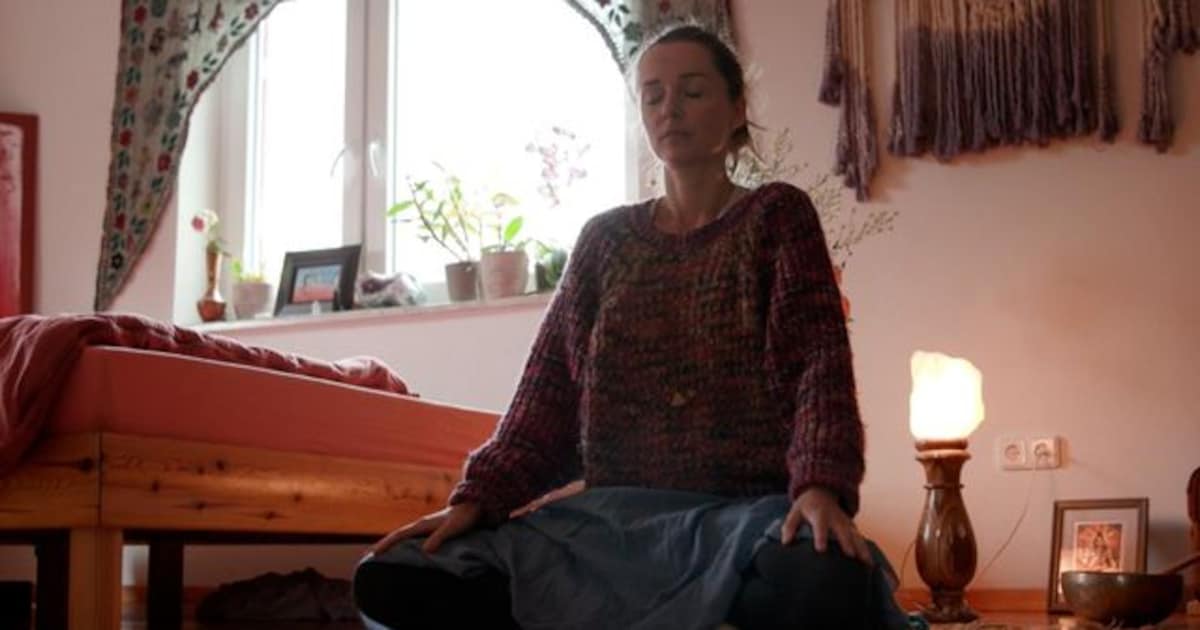
Nap or meditation? A study shows: Both reduce stress, but Yoga Nidra or “Non Sleep Deep Rest” can improve night sleep. Even short breaks increase recovery, focus and long-term performance.
For Gerald Gabelberger, the lunch break is part of an experiment: Instead of a nap, he relies on guided deep relaxation. The central question: What is more beneficial – sleep or meditation?
Psychologist: “We don’t take enough breaks”
This is being investigated by psychologist Esther Moszeik at the Bundeswehr University in Munich. She sees a fundamental problem in many people’s everyday lives: “We don’t take enough breaks. And it’s a huge fallacy to believe that I’ll do more and better if I don’t take a break. It’s exactly the other way around.”
Although both naps and meditation help reduce stress, there are differences in their effect on sleep at night. “We have seen that both of these also seem to reduce the values a bit in cases of anxiety and depression, but if we now look at sleep disorders, we have found that night sleep can be positively strengthened through Yoga Nidra and that such an afternoon nap may even lead to night sleep becoming worse,” explains Moszeik.
Gabelberger is convinced by meditation
The method was most recently popularized by neuroscientist Andrew Huberman as “Non Sleep Deep Rest.” However, it’s not new: “Andrew Huberman was super smart because he noticed: As soon as I use the term yoga, I lose a lot of people,” says Moszeik.
Gabelberger also feels clear effects: “You are much more present, more relaxed, more rested and also much more concentrated, which is very, very important at work.”
The study is still based on a few participants. But one thing is already clear: even short breaks can help. “Even if it’s just standing in the sun for five minutes,” says Moszeik.
Because if you consciously take time off, you will remain more productive in the long term.