whizzy1919@gmail.com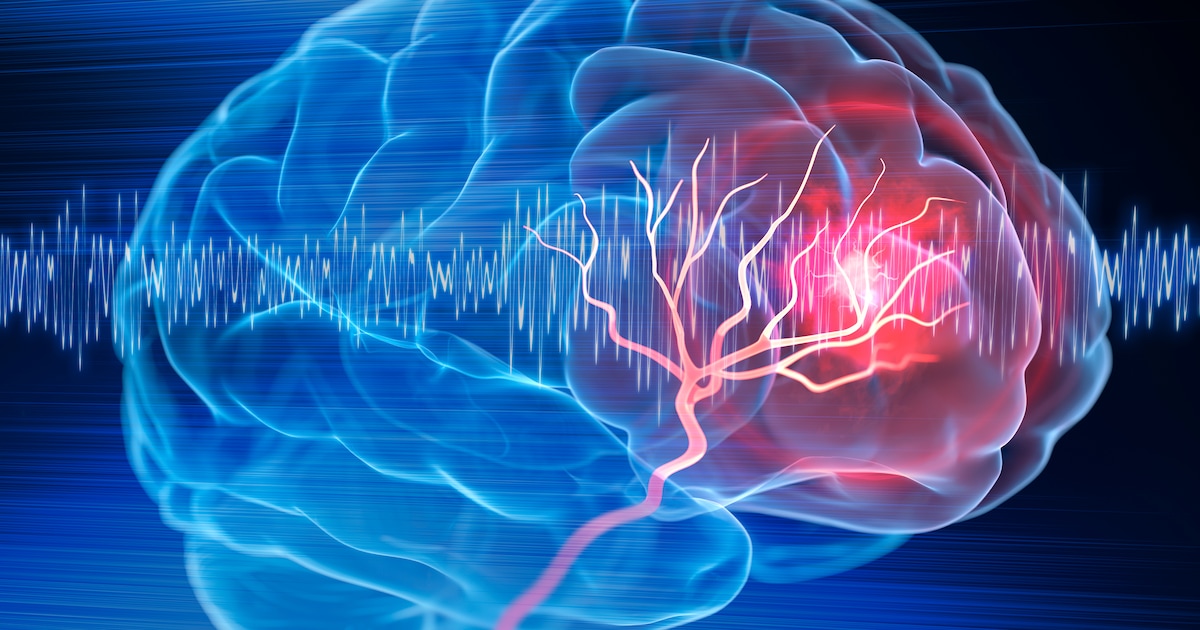
The same symptoms as a stroke – but gone after 24 hours? The so-called “mini-stroke” seems harmless, but can cause permanent damage to the brain.
A major stroke is often preceded by an inconspicuous event. It is also called mini-stroke or small stroke: the transient ischemic attackTIA for short. The symptoms are the same as those of a stroke:
- paralysis
- Unsteady gait
- Vision problems
- Speech disorders
- Feelings of numbness
However, the signs disappear completely after 24 hours at the latest. However, the risk of having a stroke after a TIA is on average ten percent. The patient is particularly at risk in the first week after the event.
Therefore, those affected should take each of the warning signs mentioned seriously and definitely contact a doctor, even if they no longer have any symptoms. Strokes are a common disease in Germany, with 270,000 cases per year; a third of all cases are preceded by a TIA.
Prevent stroke in time
If you act in time, you can prevent a stroke with medication. These include:
- Antihypertensives
- Blood lipid lowering drugs
- Blood thinners
According to a study from the USA, TIA sufferers should not only an impending stroke on the radar, but also an increased risk of dementia. The study suggests that a “mini-stroke” is more than a possible precursor to a stroke. It could damage the brain to such an extent that it also affects development later dementia is favored.
About this comments the German Society for Neurology (DGN): “It is possible that a TIA – similar to its ‘big brother’ cerebral infarction – triggers a cascade of damage in the brain that can lead to dementia.” The DGN estimates that around 95,000 people in this country suffer a “mini-stroke” every year. Even if the symptoms disappear on their own within a very short period of time, those affected should be clear “that a TIA is not ‘nothing’,” emphasizes Peter Berlit, Secretary General of the DGN.
Researchers examine the brain performance of 16,000 test subjects
The corresponding study is in February 2025 published in the specialist magazine “Jama”. Over a period of 14 years, scientists at the University of Alabama at Birmingham examined the mental performance of more than 16,000 subjects. Below
- 350 people after a “mini-stroke” (TIA)
- 1000 people after a stroke
- 15,000 healthy people
All subjects performed multiple cognitive tests to measure their brain performance. It showed up: After a stroke performance fell significantly, more than in people after a “mini-stroke” and in healthy people. A stroke was directly associated with poorer brain performance, but a TIA was not.
What was surprising, however, was the development over time: the annual decline in brain performance was just as rapid in the TIA group as in the stroke group – and therefore significantly faster than in the control group of healthy people. This could mean that a TIA also triggers a process in the brain that impairs cognitive performance in the long term.
Link between mini-stroke, stroke and dementia
Other research teams had already come to similar suspicions in the past. So had Researchers from the Netherlands Already found out in 2016 that the likelihood of dementia in people after a “mini-stroke” increased by eight to 22 percent. The likelihood of mild cognitive impairment was increased by 29 to 68 percent.
Mental impairments are a well-known phenomenon in the event of a stroke. Around 20 percent of all stroke patients develop dementia in the first year after the illness. However, the consequences of a TIA on the brain have not yet been researched much.
Take warning signs seriously
“Too many people still don’t go to the doctor if the neurological symptoms disappear on their own after a few minutes,” criticizes Peter Berlit. However, this is absolutely necessary in order to both prevent a stroke and to initiate targeted measures at an early stage in order to maintain brain performance as well as possible.
You can prevent a “mini-stroke” by maintaining a healthy and active lifestyle, maintaining a normal body weight and not smoking.