whizzy1919@gmail.com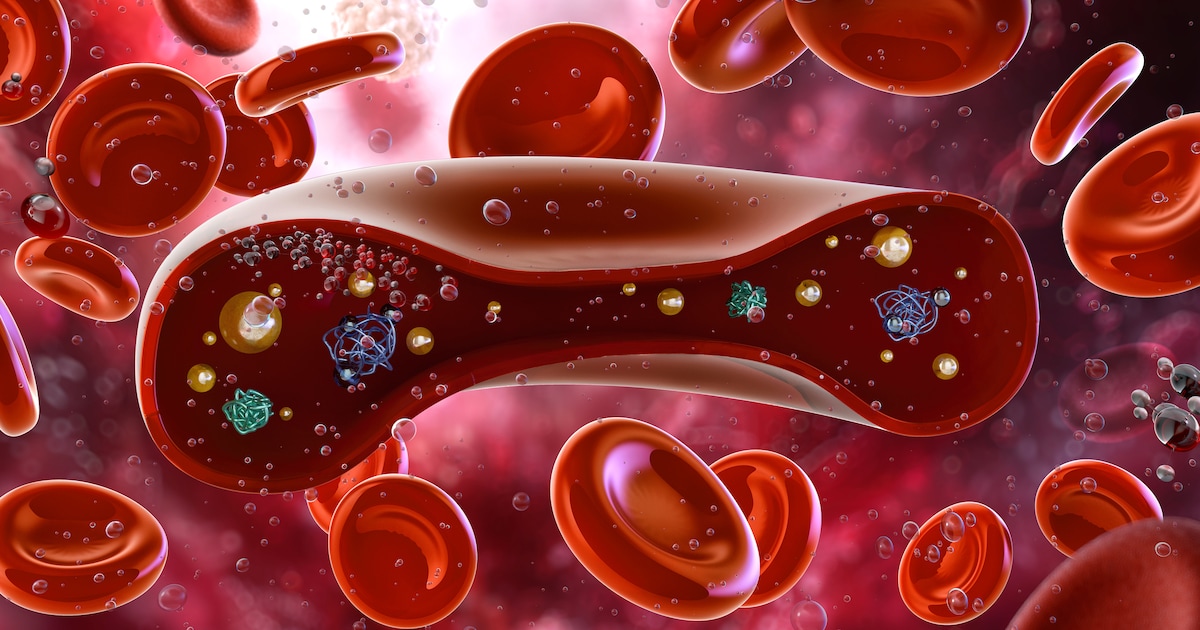
Hemochromatosis is a metabolic disease. It occurs primarily in Ireland and Scotland, hence its nickname “Celtic curse”. Researchers have now identified hotspots.
New genetic analyzes are now providing a more precise picture of this disease. A large study shows for the first time where the risk is particularly high. In some regions of Ireland and Scotland, around one in 60 people carry a crucial gene variant. The disease often develops slowly. That’s why it often remains undetected for a long time.
Where hemochromatosis occurs most often
For the study, an international team evaluated genetic data from two large research projects: the UK Biobank and the Viking Genes study. In total, information from more than 400,000 people was included. This created the first detailed genetic map of the disease in the British Isles and Ireland.
Clear regional differences are noticeable. Some areas have significantly higher genetic risks than others.
The crucial gene variant occurs particularly frequently in the following regions:
- North West Ireland: around 1 in 54 people carry the high-risk genotype
- Outer Hebrides (Scotland): about 1 in 62
- Northern Ireland: about 1 in 71
- Scottish mainland: about 1 in 117
For comparison: In southern England the incidence is around 1 in 212 people. So the differences are significant.
Iron gets into the blood even though the reservoir is already full
Hemochromatosis is caused by changes in the so-called HFE gene. A variant called C282Y is particularly relevant. Anyone who has two copies of this mutation has a significantly increased risk of iron overload.
The body normally regulates precisely, how much iron is absorbed from food. With this genetic change, this control no longer works reliably. Iron continues to enter the blood even though the reservoir is already full.
What symptoms there are
Over time, the trace element is deposited in various organs. This causes damage that often only becomes noticeable after many years.
Typical signs often appear gradually. These primarily include:
- severe fatigue
- Joint painespecially in the hands
- stomach pain
- reduced performance
More serious consequences may occur later:
- Liver damage up to liver cirrhosis
- Liver cancer
- diabetes
- Cardiac arrhythmias
- darker skin color (“bronze coloring”)
Many sufferers don’t notice anything for a long time because iron slowly accumulates in the body over decades.
Where the name “Celtic Curse” comes from
The genetic data also allows an estimate of how frequently the disease actually occurs. According to long-term observations, around 56 percent of men with two copies of the C282Y mutation develop iron overload during their lifetime.
In some regions this results in a significantly increased risk of illness. In north-west Ireland, around one in 80 men could be affected during their lifetime. In the Outer Hebrides the estimate is approximately 1 in 94 men.
This unusually high frequency has already led to a special nickname. Because of its widespread prevalence in Ireland and parts of Scotland, the disease is sometimes called the “Celtic Curse”.

Irish people are more likely to be diagnosed than Brits
In addition to genetic data, doctors also examined real diagnoses from the British health system. The analysis includes data from around 63 million people in England’s NHS (National Health Service). There are currently 70,365 cases of hemochromatosis registered there.
The evaluation shows clear differences between population groups. People of Irish descent are significantly more likely to receive a diagnosis than other groups. Their incidence rate is around 3.7 times higher than that of white Britons.
There are also strong regional differences within England:
- Liverpool: around 1 diagnosis per 177 inhabitants
- Kent: about 1 diagnosis per 1972 population
The diagnosis rate therefore fluctuates by a factor of eleven.
Historical backgrounds
One possible reason for these differences lies in the history of the population. Cities like Liverpool experienced heavy immigration from Ireland in the 19th century. Historical censuses show that at times more than a fifth of the population had Irish roots.
As a result, a higher proportion of the corresponding gene variant was retained over generations. Similar patterns can also be found in parts of Scotland, such as around Glasgow.
The genetic trace goes back even further. Archaeological DNA analyzes discovered the crucial mutation in people from the Bronze Age in Ireland. The variant has existed for around 4,000 years.
Treatment by bloodletting
Although hemochromatosis has genetic causes, the disease is easily treatable. It is crucial to diagnose it as early as possible. Doctors reduce the excess iron in the body through regular bloodletting. Blood is taken, similar to a blood donation. The procedure removes excess iron from the organism and can prevent serious damage.
Human geneticist Jim Flett Wilson from the University of Edinburgh draws attention to the importance of early testing. He said: “The risk in the Hebrides and Northern Ireland is significantly higher than previously thought. Early diagnosis prevents most serious outcomes.”
Briefly summarized:
- Hemochromatosis is a common genetic disease: The body absorbs too much iron, which is deposited in organs over the years and can cause liver cancer, diabetes or heart problems.
- An analysis of over 400,000 genetic data sets shows clear hotspots: in parts of Ireland and Scotland, around one in 60 people, and in the north-west of Ireland even 1 in 54, carries the crucial risk gene.
- The disease often remains undetected for a long time, but can be easily treated: regular blood samples reduce iron excess and often prevent serious damage.
By Anne Bajrica