whizzy1919@gmail.com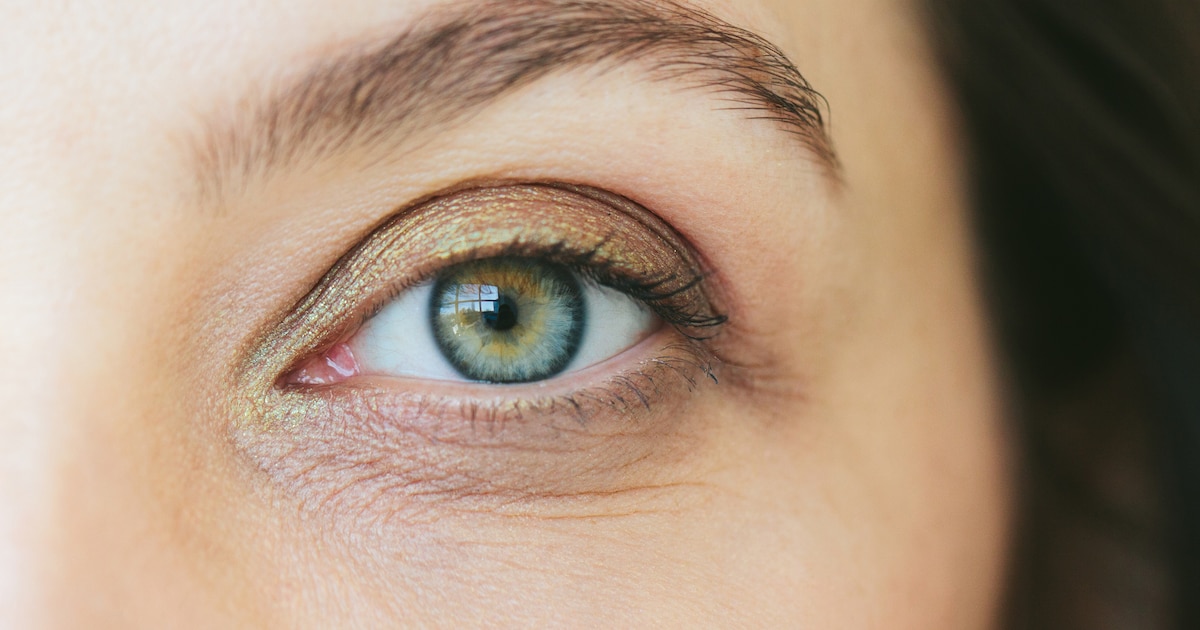
Uveal melanoma is rare but malignant. Since this tumor of the eye spreads quickly, early detection is important. What risk factors and early warning signs there are.
800 to 1000 people in Germany develop uveal melanoma every year. The disease is considered the most common malignant eye tumor in adults. Since uveal melanomas metastasize early, the period of time during which healing is still possible is limited.
The German Ophthalmological Society and the Professional Association of Ophthalmologists (BVA) now explain in one new brochurehow uveal melanoma develops and what risk factors and initial symptoms you should pay attention to.
Uveal melanoma grows slowly but spreads early
Uveal melanoma arises directly in the eye from degenerated pigmented cells in the choroid. This lies between the retina and the sclera that surrounds the eye. The tumor usually occurs on one side and grows slowly.
Light-colored eyes are particularly at risk
However, there are currently no general preventive examinations. “Most of these tumors are discovered by chance during routine eye examinations,” says Vinodh Kakkassery, chief physician in the Department of Ophthalmology at Chemnitz Hospital, in the accompanying press release.
This applies in particular to people who have the following risk factors:
- green, blue or gray eyes
- congenital pigment spots in the choroid
- a family history of uveal melanoma
What early warning signs there are
If the following early warning signs occur, those affected should consult a doctor:
- Visual field loss
- Flashes of light
- Blurred vision
- Shadow vision
“These warning symptoms do not occur in the early stages of the disease in all those affected and are also not specific,” admits Daniel Pleger, First Chairman of the BVA.
However, since these complaints could also indicate other eye diseases, it is advisable to visit an ophthalmologist. If a tumor is suspected, patients would be referred to a specialized center.
Radiation therapy and surgery as possible treatments
If the suspicion of uveal melanoma is confirmed, there are many treatment options such as radiation therapy, surgical interventions or drug therapy. In rare cases, the affected eye must be surgically removed. If uveal melanoma is only limited to the eye, a cure is possible in more than 50 percent of cases.
14 recommendations to reduce your own risk of cancer
In order to prevent cancer as best as possible, the World Health Organization (WHO) recommends “European Code to Fight Cancer” 14 concrete, scientifically based measures:
- Do not smoke.
- Avoid passive smoking, especially in your home and car.
- Avoid and prevent obesity. So eat as few high-sugar, high-fat and heavily processed foods as possible and drink mostly water.
- Move daily and avoid sitting for long periods if possible.
- Daily diet with lots of vegetables, fruit and wholesome carbohydrates. Only consume red and processed meat in moderation.
- Reduce or avoid alcohol altogether.
- Breastfeed if possible and for as long as possible.
- Protection against UV radiation, especially for children. Prevent sunburn and avoid tanning beds.
- Know and comply with health and safety instructions in the workplace, particularly in environments with radiation and chemicals.
- Check the danger of radon exposure indoors in risk areas and take countermeasures if necessary.
- Avoid breathing polluted air and reduce your own contribution to air pollution and use public transport or a bicycle more often instead of a car. If you are traveling by bike or on foot, avoid routes that are heavily used by cars.
- Reduce air pollution by using public transport, cycling or walking; no smoking in the apartment.
- Take vaccinations to protect against cancer-promoting infections, for example against HPV or hepatitis B.
- Hormone replacement therapy during menopause only after medical advice and for as short a period as possible.
- Regularly attend early cancer detection examinations, for example screenings to detect cervical, skin, breast, prostate or colon cancer.