whizzy1919@gmail.com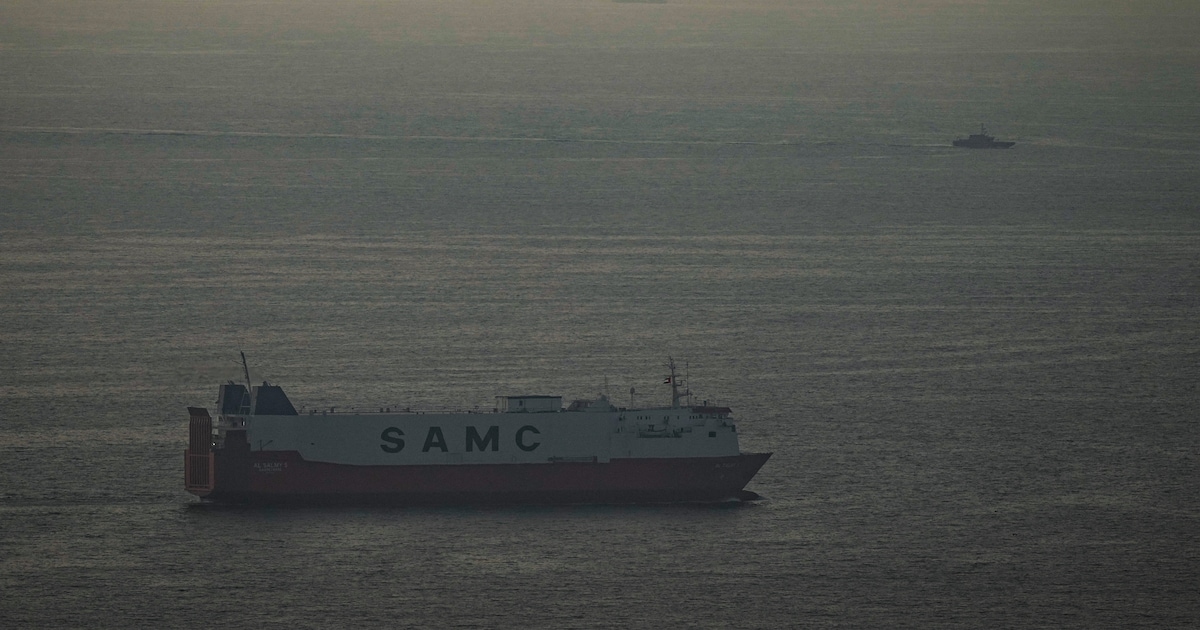
The USA has initiated a new stage in the Iran war. Apparently low-flying fighter jets are now in use to fire at Iranian naval ships in the Strait of Hormuz. Tehran is also putting pressure on it.
The situation in the Strait of Hormuz is deteriorating. The USA and its allies are apparently increasing the pressure to open the strait, which is important for global oil trade, to more ships to open.
In the video: Trump thinks about conquering Kharg Island
Offensive part of a multi-stage plan – but experts warn
The offensive is therefore part of a multi-stage Pentagon plan. It is intended to contain the threat from Iranian speedboats, mines and cruise missiles. These have largely paralyzed shipping traffic since the beginning of March.
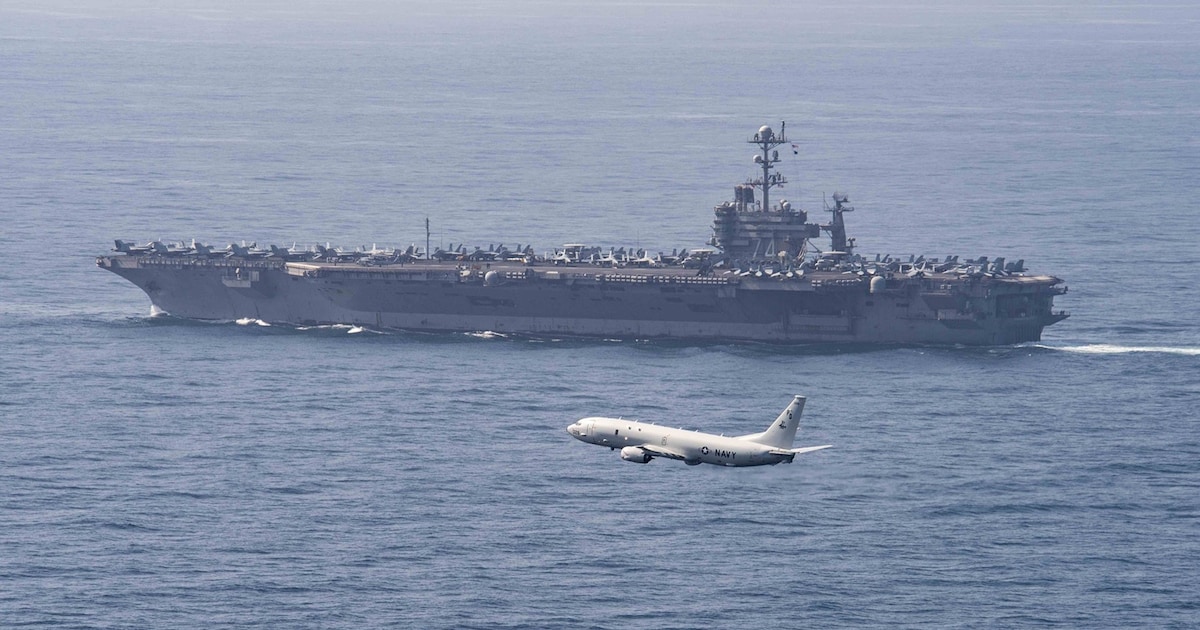
If this succeeds, the USA wants to send warships through the strait, the report continues. They could then escort merchant ships in and out of the Persian Gulf.
Nevertheless, the situation in the Strait of Hormuz is still explosive. Farzin Nadimi, an Iranian defense expert at the Washington Institute for Near East Policy, told the Wall Street Journal that Iran’s weapons arsenal remains large.
Hidden facilities and hidden tunnels
According to him, Tehran has thousands more sea mines. Many cruise missiles are on mobile launch pads and hundreds of boats are unscathed. According to Nadimi, there are hidden facilities along the coast and on islands.
Deeply dug tunnels protect materials and units. “I think it will take weeks before we reach a point where safe operation on the road is possible,” he said.
,regionOfInterest=(1055,589)&hash=5a66623a77e47acd4c561a68aa2067d4d50986d3f6146f9f988d4fb9899ee40f)
Recently there have been repeated reports of ships being hit by projectiles in the strait, in the Gulf of Oman or in the Persian Gulf. On Thursday, “reclaiming” the Strait of Hormuz took on new urgency.
Mullahs use Strait of Hormuz as leverage
Because: The mullahs use the strait as a means of pressure. Iranian parliamentarians are apparently planning to impose a fee for safe passage through the Strait of Hormuz.
“The security of the strait is guaranteed by the Islamic Republic,” said lawmaker Somajeh Rafiei, according to the Iranian state news agency ISNA. Ships would have to “pay a tax in return” for crossing.
Fears have been raised that Iran could use its position to strike deals with countries that rely on oil, gas and other raw materials from the Gulf region.
Danny Citrinowicz, a national security expert at the Atlantic Council, a think tank in Washington, speaks on X of “a kind of forced interdependence.” “States seeking access to energy from the Gulf region may find themselves forced to accommodate Iran, either directly or indirectly,” said the expert.
“You will never achieve 100% security”
Another big problem is that the Strait of Hormuz is only around 55 kilometers at its narrowest point. Michael Connell, Iran analyst at the Center for Naval Analyzes, told the WSJ that against this background, absolute protection is not possible.
“Reducing the threat to the point where ships can pass through the strait again is feasible, but it takes time and will probably never achieve 100 percent security.”
British military expert and ex-soldier Andrew Fox said to the “Bild” newspaper recently, It could be months before ships sail through the Strait of Hormuz again. He wonders how long the Strait of Hormuz has been underestimated as Iran’s lever.
In his opinion, Tehran does not have to exhaust all options to make the strait appear impassable. “It’s enough to credibly threaten to do so,” said Fox.
Expert sees major problem on the US side
Ultimately he comes to a sobering conclusion. “All Iranian naval and missile assets within a radius of 300 miles (approx. 483 km) and all mines must be neutralized before the strait can be reopened in war,” the military expert told the “Bild” newspaper.
And: “The problem is that the US currently does not have the naval forces, nor the ships, that they need to escort all the tankers and clear the mines.” That’s why US President Donald Trump is now calling for help.