whizzy1919@gmail.com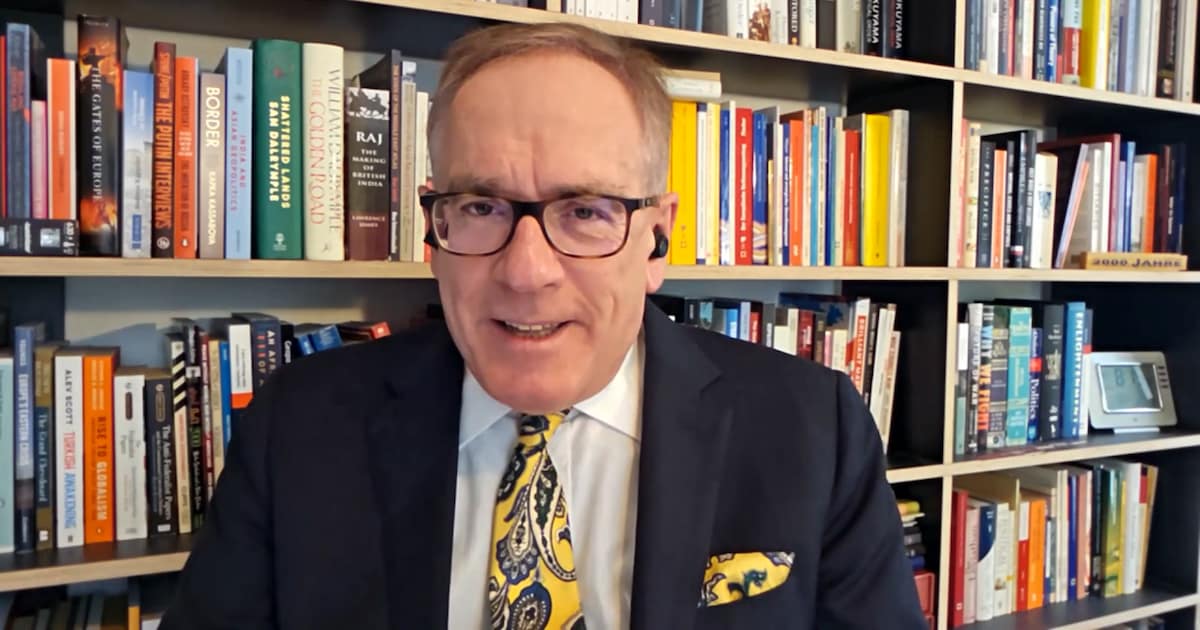
In the conflict between the USA and Iran, the impression is that both sides are sending contradictory signals. Iranian officials publicly declare that they will not negotiate with Washington at all, while at the same time new reports about secret contacts, plans and intermediaries continue to circulate in the US media.
Geopolitics expert Klemens Fischer classifies what is actually behind these processes – and why it can be formally correct to claim that there are no negotiations, although intensive work is being done on political solutions.
“In the current phase we don’t see any mediators and we don’t see any negotiations, we don’t even see any discussions,” says Fischer. It’s less about deception and more about “a question of diction, i.e. how you express yourself, how you label it.”
Fischer explains the classic instrument of crisis diplomacy
Instead, something different comes into play under international law: “What is currently taking place is called ‘good offices’,” explains Fischer. What is meant is a classic instrument of crisis diplomacy: a third country that is not itself a party to the war offers to transmit messages, positions or documents between two hostile sides – especially when diplomatic relations are frozen or set to zero.
Fischer emphasizes: “This third person or this third state has no negotiating power at all. They really only exchange documents.” This means that the distance between the camps is formally maintained, although there is actually already intensive communication.
“We know this from the Second World War”
Fischer points to historical examples: “We know this from the Second World War. Switzerland often offered itself, and very often Sweden too,” which carried messages back and forth between the enemy states in war zones. Similar patterns appeared later Middle East conflict seen, for example, in Henry Kissinger’s famous shuttle diplomacy. The approach is always the same: “You try to create a climate for discussion, a basis.”
Parties leak information specifically to the press
In the current case, pass Pakistan well into this role: “It’s not located in the Gulf and isn’t necessarily very close friends with either country,” says Fischer. According to reports, the US handed over a 15-point plan to Islamabad, to which Tehran responded through the same channel. “You can easily imagine that, it makes sense,” says Fischer.
At the same time, media interaction is playing an increasingly important role: “These days, of course, everything is being punctured.” That is exactly what “the second part of negotiations is again”. Controlled leaks would be used to send signals, test one’s own scope and publicly put pressure on the opponent’s position.