whizzy1919@gmail.com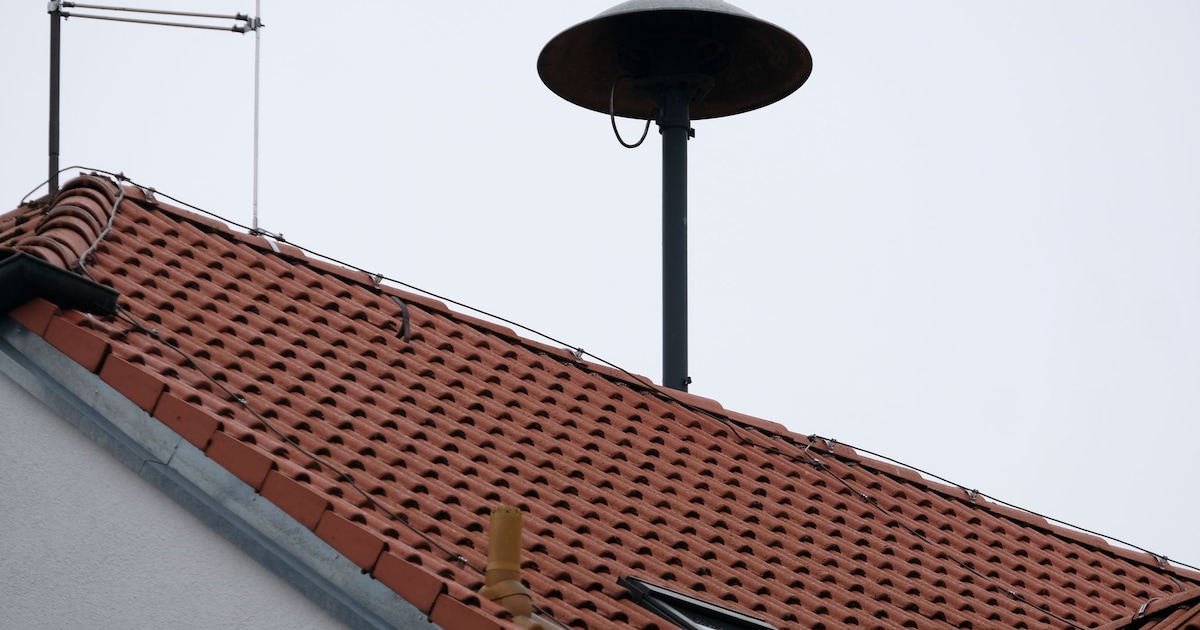
If sirens are wailing and cell phones are ringing today, you shouldn’t be alarmed: On warning day, the authorities are testing disaster protection.
The warning day is coming. In Hesse and Rhineland-Palatinate, sirens wailed and cell phones rang as early as 10 a.m. In North Rhine-Westphalia and Bavaria, the various warning devices are to be checked from 11 a.m. The alarm reaches people on several channels: on their smartphones via warning apps such as Nina and Katwarn, via sirens, loudspeakers or on digital billboards.
In addition, the test alarm should also be sent via the Cell Broadcast warning channel. A message is sent via mobile communications to all devices with reception. Even on smartphones that are muted, a loud beep sounds.
Tests are now regular
The purpose of the warning day is, on the one hand, to test the warning systems. On the other hand, the population should be made familiar with the various warning channels. The regular tests have now started.
The siren warning system is being tested in large parts of Bavaria. This means that you will hear a howling sound that rises and falls and lasts for a minute. “In addition, the all-clear tone will be tested – a constant howling tone that lasts one minute,” explained the ministry. At the moment, not all sirens across Bavaria can emit this sound, as this would require technical modifications.
In some places, district administration authorities or integrated control centers are also trying out local warning devices.
Three warning levels
There are three warning levels for population warnings: danger information, danger and extreme danger. In the event of actual danger, for example in the event of a disaster, but also in the event of a defense, the alarm is intended to prompt the population to turn on their radios and pay attention to announcements.
In Bavaria there are two test alarms per year: on the second Thursday in March and as part of the nationwide warning day on the second Thursday in September.