whizzy1919@gmail.com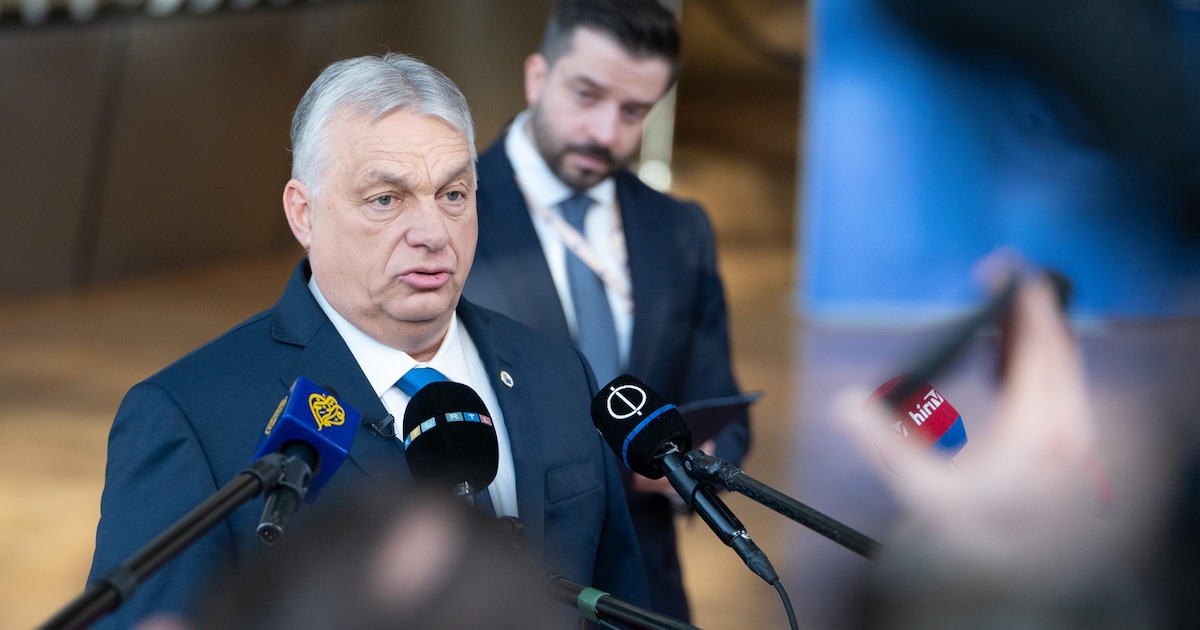
Viktor Orbán continued to block billions in aid for Ukraine at the EU summit. Because the Hungarian head of government is under domestic political pressure, he is reducing his EU colleagues to power extras.
The hour of Europe could have struck on Friday night. But she didn’t. Rather, the heads of state and government experienced the witching hour of a community that once again failed to come together to form a union.
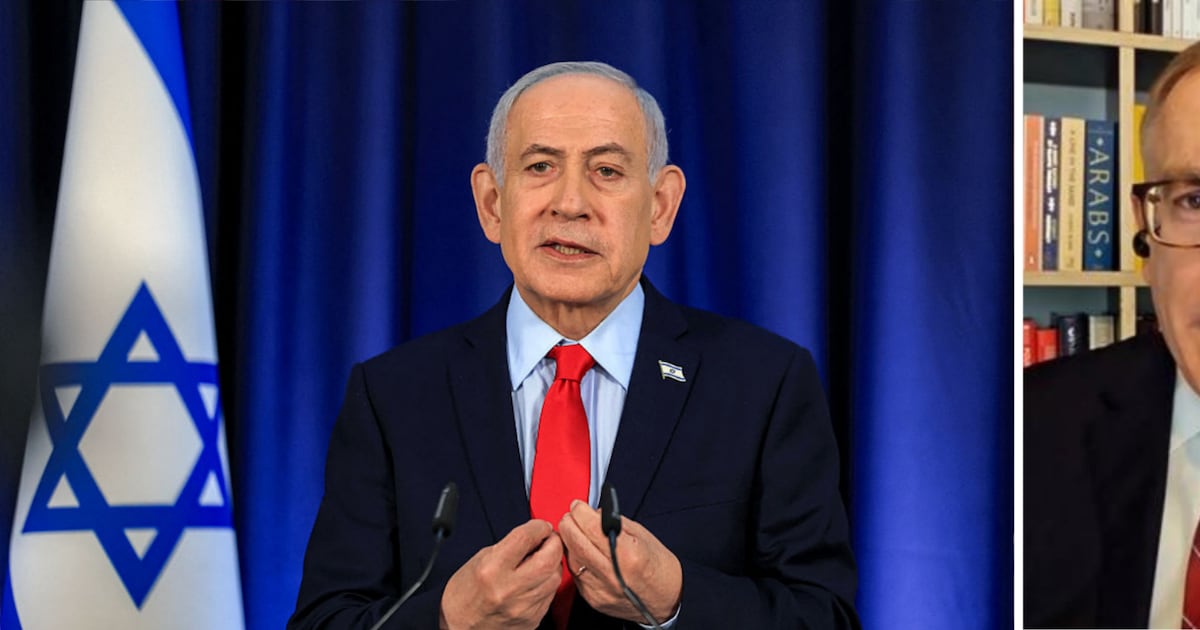
The culprit in all Western European media this morning: Hungary’s Prime Minister Viktor Orbán. The “Tagesspiegel” calls him a “system buster”, the “Zeit” calls him “Putin’s man” and the “Financial Times” sees him as a “troublemaker for the EU”. He continues to block billions in aid for Ukraine.
,regionOfInterest=(1055,168)&hash=4ac13f0c839af0c5bf90445f533308468466e726d7272cc3fa3de817af05fb84)
In reality, it is a complex interplay of cause, effect and side effects. Here are the three events that made Viktor Orbán who he is today.
#1 Viktor Orbán has become the hunted
The days of domestic political glory are over. Anyone who claims that Orbán has established an autocracy in Hungary does not know the hardships of a head of government who is threatened with the loss of his majority. The parliamentary elections in Hungary are on April 12, 2026.
In the opinion polls, Orbán only ranks second. His biggest competitor is Péter Magyar, who promotes himself with friendlier tones, but – and this explains Europe’s misfortune at this hour of the summit – when it comes to the issue of arms deliveries, no sheet of paper fits between the opponents.
The Ukraine war is a no-go for numbers one and two in the political race. That’s why Orbán couldn’t be made to comply with any lure offer tonight. On this issue, Orbán is both a man of conviction and a driven man.
The Vice President of the European Commission, Kaja Kallas, appeared almost indulgent in Brussels yesterday: “People are not so rational during election campaigns.”
#2 The destroyed Druzhba pipeline is driving up Hungary’s energy prices
Orbán’s election campaign will be no less difficult through the destroyed Druzhba pipeline. The pipeline, built during Soviet times, normally carries Russian oil through Ukraine to Hungary and Slovakia. Up to 250,000 barrels per day flow to Hungary alone, meaning that pipeline oil accounts for a large part of Hungary’s total oil imports.
The problem: Oil has stopped flowing since the end of January because the 550-kilometer-long pipeline was damaged in the war between Russia and Ukraine – to be precise, missile strikes destroyed an important pumping station. The result: Energy prices in Hungary are rising.
- More analyzes from Gabor Steingart? Subscribe to the Pioneer Briefing now for free and read it in your inbox every weekday. Register here
Hungary and Slovakia accused Zelensky of delaying repairs to the line and using the alleged damage as a pretext for shutting it down. Orbán said before the EU summit in Brussels that he would only be prepared to make concessions when Russian oil arrived in Hungary again. But Kiev is apparently in no hurry to repair it – the pipeline should be back in operation by May (according to Zelensky) with support from Brussels. That would be exactly after the Hungary election.
#3 The staging of strong men
On the one hand, Zelensky: The Ukrainian president could not leave Orbán’s threat to freeze funds for the Ukrainian army unanswered. He sent hostile greetings to Budapest:
“We hope that a person in the European Union will not block the 90 billion euros and the Ukrainian fighters will get weapons, otherwise we will give this person’s address to our boys so that they call him and talk to him in their language.”
The reaction followed immediately: not only Orbán, but also the opposition leader Magyar, who was leading in the polls, rejected the threat. On the other hand, Orbán’s opponent promises that there will be relief with him:
“Viktor Orbán must be replaced on April 12th because he is driving our country into chaos with his domestically motivated provocations. There will only be peace if we change the system on April 12th.”
Conclusion: All business is local is the basic rule of all election campaigners. In this respect, this EU summit could have been saved. The choreography of power took place in Budapest – and reduced all other heads of state and government to extras. In Chancellor’s diary entry Friedrich Merz (CDU), if he is honest with himself, should stand for this trip to Brussels: There was nothing apart from expenses.