whizzy1919@gmail.com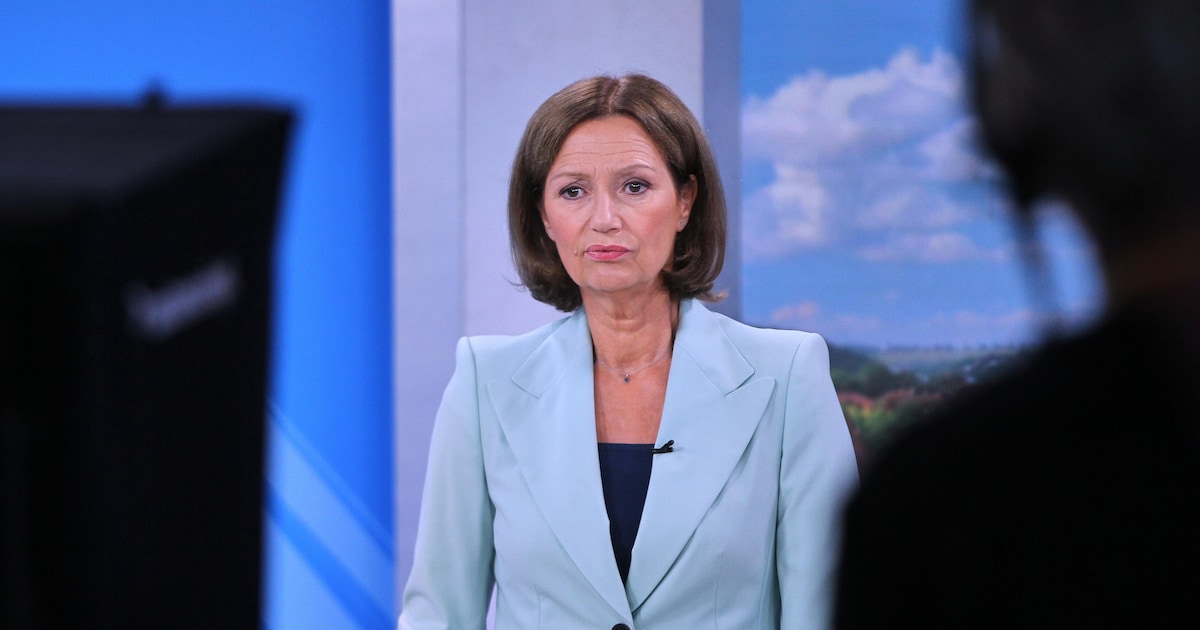
ZDF has dismissed its New York correspondent Nicola Albrecht with immediate effect after an incorrect report. ZDF editor-in-chief Bettina Schausten defends the decision.
“The decision is based on the matter. It is a violation of rules and that requires an answer,” says ZDF editor-in-chief Schausten in an interview with the “Süddeutsche Zeitung” (SZ). There is no evidence of deliberate deception, “Nicola Albrecht is an experienced and respected colleague and I in no way attribute any intention of falsification or manipulation to her.”
Among others, the former long-time anchorman of the “Heute-Journal”, Claus Kleber, has the dismissal criticized.
ZDF: “The significance of the topic was recognized late”
Schausten also admits in the conversation There are deficiencies on the editorial sidewhich would have led to the article being sent in the “Heute-Journal”. “We’re looking at it very closely at the moment. This can also have consequences under labor law,” says Schausten. When the contribution was accepted in Mainz “an alarm should have been raised because material from the internet was obviously used”. In ZDF’s communication on the case, “the significance of the issue was recognized late.”
The Bundestag is also dealing with the latest glitches in the reporting of ARD and ZDF. At the request of the AfD parliamentary group, a current hour on the topic will take place on Wednesday (4:30 p.m.).

In a “Heute-Journal” article from February 15 about ICE deportations, Nicola Albrecht used AI-generated scenes without labeling, as well as a scene that comes from a different context. ZDF is still examining why there was no identification of the AI for the viewer, but such an identification would not have saved the article, explains Schausten in an interview with the “SZ”: Material generated by AI is generally not allowed to be used in news unless AI itself is the subject of a contribution.
“We are damaged, but also wiser”
As a consequence, the ZDF editor-in-chief announces that internal testing processes will be intensified: “Sensitivity must be increased.” But she also sees an opportunity in “the fact that we have had such an impact at the beginning of the media AI age.” The ZDF must improve for future challenges. “We are damaged, but we are also wiser,” says Schausten.